THE ADVENTURE COLLECTIVE® · Independent discovery and booking for outdoor travel

Explore Philadelphia’s founding sites at your own pace with a downloadable audio walking tour. The route connects Independence Hall, the Liberty Bell and lesser-known colonial streets while offering historical narration and local tips.
Explore Philadelphia’s founding sites at your own pace with a downloadable audio walking tour. The route connects Independence Hall, the Liberty Bell and lesser-known colonial streets while offering historical narration and local tips.
You step off the subway and the city’s layers arrive like pages: brick rowhouses, broad civic plazas, and the hush around a small bell that still draws a crowd.
Verified experiences and guided adventures in the surrounding area.
Operated by Welcome Walks USA · Philadelphia, Pennsylvania
You step off the subway and the city’s layers arrive like pages: brick rowhouses, broad civic plazas, and the hush around a small bell that still draws a crowd.
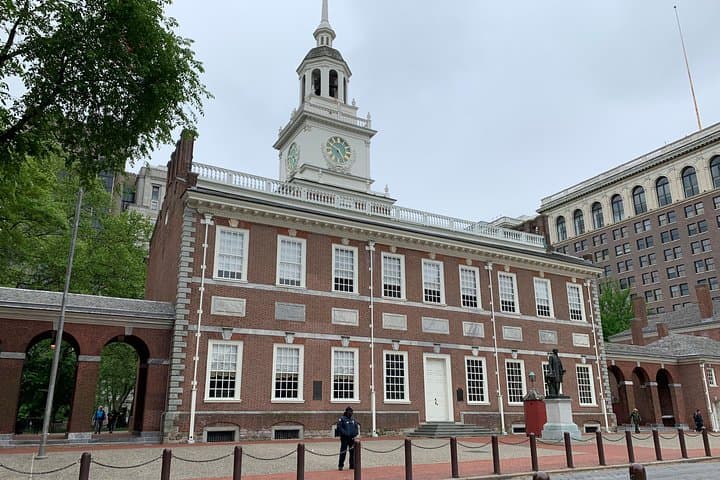
This self-guided audiovisual walk threads through Old City and Independence National Historical Park, moving past Independence Hall, Christ Church, Elfreth’s Alley and the Liberty Bell. The route follows streets laid out in the 18th century on the Piedmont plain above the Delaware — stone foundations and Georgian facades that speak to early American civic life and commerce.
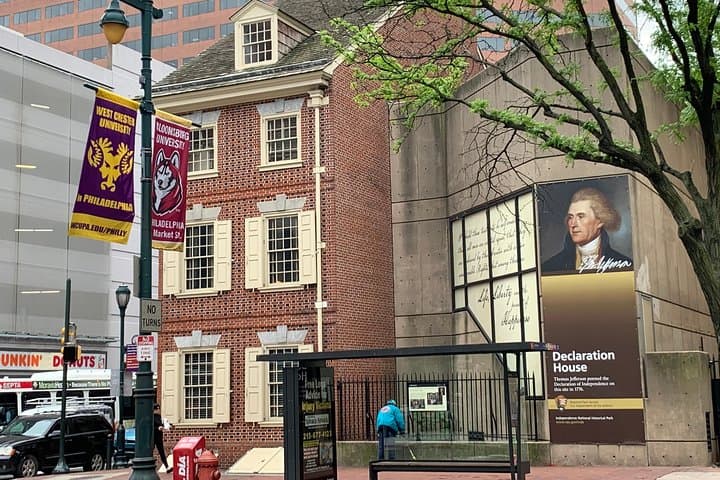
Along the way the narration highlights political history — Jefferson’s drafting of the Declaration, Franklin’s experiments and the burial grounds where the city’s founders rest — as well as local culture: small markets, colonial-era alleys, and the evolving food scene a few blocks away from the monuments.
Practical guidance: download the audio files and map before you start to avoid spotty cell service in stone-lined alleys. Expect two to three hours if you stop for museums and photos; the walk itself is largely flat but includes some cobbles and occasional steps. Headphones keep commentary clear without disturbing others, and non-rush hours (early morning or late afternoon) make for quieter visits and better light for photos.
Accessibility is high on main streets, but historic surfaces can be uneven; stroller- or wheelchair-users should plan routes with wider sidewalks. Bring water, dress in layers for seasonal winds off the river, and allow time to linger at plaques and small museum entrances — the city rewards a measured pace.
easy.
2–3 hours.
Light to moderate — suitable for anyone who can walk and stand for several hours with short rests
No — the tour is downloadable to your smartphone; download audio and maps beforehand to avoid cell gaps.
Plan for 2–3 hours including photo stops; add more time if you enter museums or stop for food.
This particular offering lists all sales final; confirm details at booking as refund policies cannot be changed later.
Main streets and many sidewalks are accessible, but some historic alleys and cobbles can be uneven — plan a slightly altered route for full accessibility.
Independence Hall and the surrounding district were the stage for the Declaration of Independence and early federal government; many of the buildings date to the late 18th century.
Philadelphia balances preservation of historic architecture with urban green-space initiatives; visitors can help by staying on paths, disposing of waste properly, and supporting local conservation organizations.
Welcome Walks USA operates guided outdoor trips and adventures with an emphasis on safety, stewardship, and memorable experiences.
You step off the subway and the city’s layers arrive like pages: brick rowhouses, broad civic plazas, and the hush around a small bell that still draws a crowd.
You step off the subway and the city’s layers arrive like pages: brick rowhouses, broad civic plazas, and the hush around a small bell that still draws a crowd.
This self-guided audiovisual walk threads through Old City and Independence National Historical Park, moving past Independence Hall, Christ Church, Elfreth’s Alley and the Liberty Bell. The route follows streets laid out in the 18th century on the Piedmont plain above the Delaware — stone foundations and Georgian facades that speak to early American civic life and commerce.
Along the way the narration highlights political history — Jefferson’s drafting of the Declaration, Franklin’s experiments and the burial grounds where the city’s founders rest — as well as local culture: small markets, colonial-era alleys, and the evolving food scene a few blocks away from the monuments.
Practical guidance: download the audio files and map before you start to avoid spotty cell service in stone-lined alleys. Expect two to three hours if you stop for museums and photos; the walk itself is largely flat but includes some cobbles and occasional steps. Headphones keep commentary clear without disturbing others, and non-rush hours (early morning or late afternoon) make for quieter visits and better light for photos.
Accessibility is high on main streets, but historic surfaces can be uneven; stroller- or wheelchair-users should plan routes with wider sidewalks. Bring water, dress in layers for seasonal winds off the river, and allow time to linger at plaques and small museum entrances — the city rewards a measured pace.