THE ADVENTURE COLLECTIVE® · Independent discovery and booking for outdoor travel

Transform into a Maiko and stroll the historic approaches of Kiyomizu‑dera in a renovated townhouse studio. This three‑hour experience pairs kimono dressing, optional white makeup, studio photos and a guided 60‑minute walk through Higashiyama's alleys.
Transform into a Maiko and stroll the historic approaches of Kiyomizu‑dera in a renovated townhouse studio. This three‑hour experience pairs kimono dressing, optional white makeup, studio photos and a guided 60‑minute walk through Higashiyama's alleys.
A crisp morning in Higashiyama opens onto wood‑planked walkways and the click of sandal soles — you emerge not as a tourist but wearing the silhouette of a Maiko. The studio, a renovated machiya townhouse, fits like a small stage: silk folds, tabi socks, and optioned white oshiroi that changes how the city looks back at you.
Verified experiences and guided adventures in the surrounding area.
Operated by 舞妓体験・レンタル着物 スタジオ四季 · Kyoto, Kyoto Prefecture
A crisp morning in Higashiyama opens onto wood‑planked walkways and the click of sandal soles — you emerge not as a tourist but wearing the silhouette of a Maiko. The studio, a renovated machiya townhouse, fits like a small stage: silk folds, tabi socks, and optioned white oshiroi that changes how the city looks back at you.
Kiyomizu‑dera sits on a cedared hillside above Kyoto, its current wooden terraces rebuilt in the early 17th century after earlier fires, offering views that shaped centuries of pilgrimage. The stone lanes of Sannenzaka and Nene-no-michi keep traces of Edo‑era shop fronts and the compact geology of Kyoto’s basin funnels cool evening air through narrow alleys.
This experience pairs costume craft with local culture: choose from roughly 100 kimono, try optional false lashes or a natural wig, and receive studio photography plus three printed images — then step outside for a guided 60‑minute stroll across the historic approaches and pagoda views. The plan is women‑only and has a minimum height requirement; the studio handles cleansing, lotion, and the traditional tabi. Rain cancels the outdoor walk but indoor alternatives are offered.
Practical notes: arrive with minimal jewelry, book early for morning slots to avoid crowds, and expect 3 hours total for dressing, photos, and walking. Footwear should be flat and stable — traditional geta are beautiful but awkward on cobbles. Bring a charged camera, stay hydrated, and respect temple rules about photography inside sacred spaces. This is a cultural immersion as much as a photoshoot: quiet movement, careful steps, and an appreciation for centuries of craft and ritual.
easy.
3 hours.
Suitable for most fitness levels; must be able to stand and walk for about 60 minutes on uneven stone and wooden surfaces.
No — this specific Maiko transformation plan is limited to women, per the operator’s policy; check alternative kimono rental services for mixed or male bookings.
No — the oshiroi (white makeup) is optional; customers may choose lighter makeup or decline it entirely.
If rain prevents the outdoor stroll the operator will cancel the walk portion and provide indoor compensation or additional studio time; confirm terms when booking.
Yes — the plan includes three printed photos (203 x 133 mm) and digital files of all pictures are provided in the DATA package.
Kiyomizu‑dera was founded in the late 8th century; the visible wooden terraces were reconstructed in the early 1600s and reflect Tokugawa‑era restoration techniques.
Visitors are encouraged to stay on designated paths, avoid flash photography in sacred buildings, and support small local studios that conserve traditional kimono and textile care.
舞妓体験・レンタル着物 スタジオ四季 operates guided outdoor trips and adventures with an emphasis on safety, stewardship, and memorable experiences.
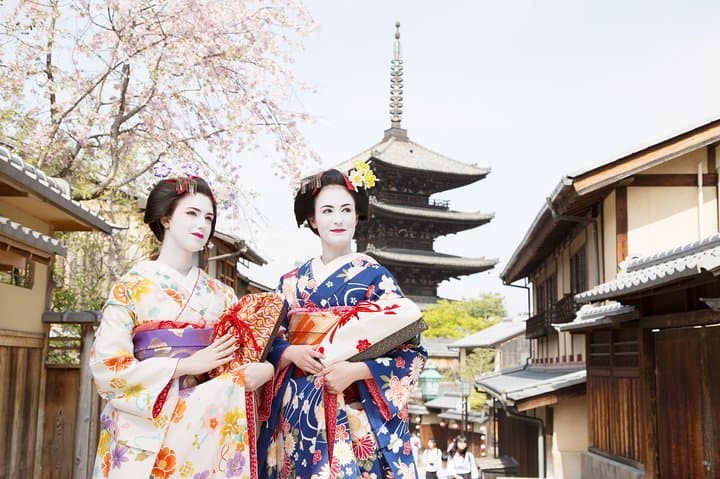
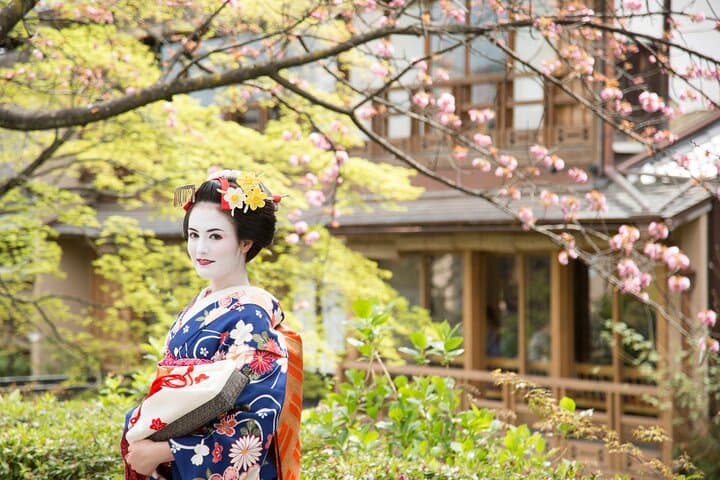
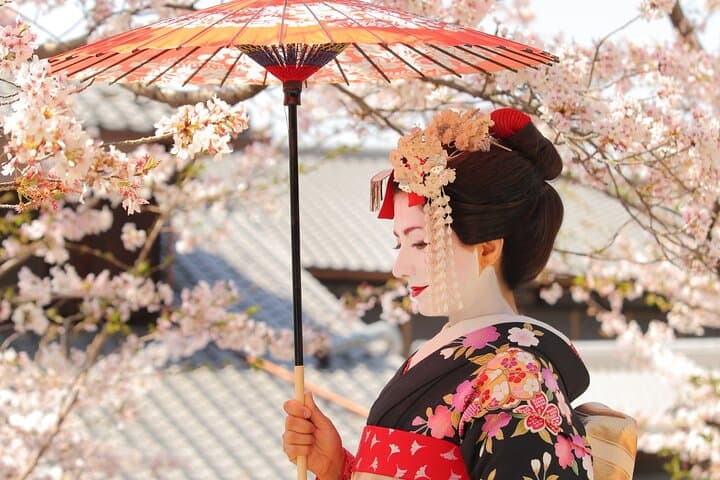
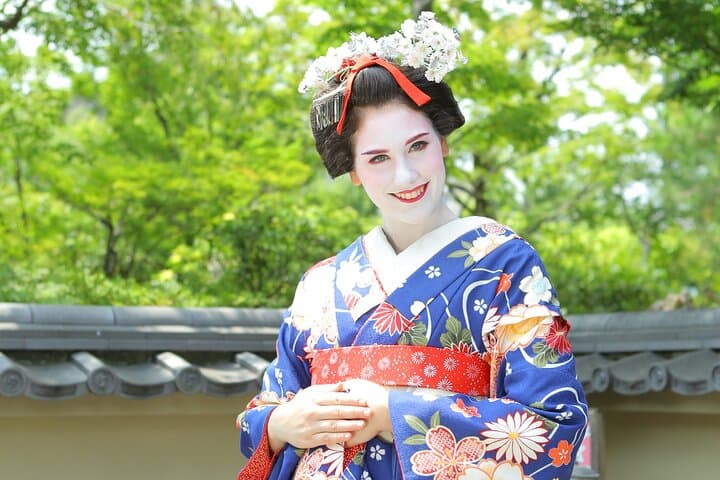
A crisp morning in Higashiyama opens onto wood‑planked walkways and the click of sandal soles — you emerge not as a tourist but wearing the silhouette of a Maiko. The studio, a renovated machiya townhouse, fits like a small stage: silk folds, tabi socks, and optioned white oshiroi that changes how the city looks back at you.
A crisp morning in Higashiyama opens onto wood‑planked walkways and the click of sandal soles — you emerge not as a tourist but wearing the silhouette of a Maiko. The studio, a renovated machiya townhouse, fits like a small stage: silk folds, tabi socks, and optioned white oshiroi that changes how the city looks back at you.
Kiyomizu‑dera sits on a cedared hillside above Kyoto, its current wooden terraces rebuilt in the early 17th century after earlier fires, offering views that shaped centuries of pilgrimage. The stone lanes of Sannenzaka and Nene-no-michi keep traces of Edo‑era shop fronts and the compact geology of Kyoto’s basin funnels cool evening air through narrow alleys.
This experience pairs costume craft with local culture: choose from roughly 100 kimono, try optional false lashes or a natural wig, and receive studio photography plus three printed images — then step outside for a guided 60‑minute stroll across the historic approaches and pagoda views. The plan is women‑only and has a minimum height requirement; the studio handles cleansing, lotion, and the traditional tabi. Rain cancels the outdoor walk but indoor alternatives are offered.
Practical notes: arrive with minimal jewelry, book early for morning slots to avoid crowds, and expect 3 hours total for dressing, photos, and walking. Footwear should be flat and stable — traditional geta are beautiful but awkward on cobbles. Bring a charged camera, stay hydrated, and respect temple rules about photography inside sacred spaces. This is a cultural immersion as much as a photoshoot: quiet movement, careful steps, and an appreciation for centuries of craft and ritual.