THE ADVENTURE COLLECTIVE® · Independent discovery and booking for outdoor travel

Spend six hours with a local scholar-guide tracing Kyoto’s top temples, torii gates and bamboo groves. This private walking tour mixes cultural context with practical pacing to help you see the city without the crowds.
Spend six hours with a local scholar-guide tracing Kyoto’s top temples, torii gates and bamboo groves. This private walking tour mixes cultural context with practical pacing to help you see the city without the crowds.
You step off a narrow street and the city exhales — wooden machiya houses, the river's low murmur, and a corridor of orange torii that seems to roll on forever. A private guide frames each turn: where to look, when to pause, how a garden's rake marks time.
Verified experiences and guided adventures in the surrounding area.
Operated by Kyoto Daily Tours · Kyoto, Kyoto
You step off a narrow street and the city exhales — wooden machiya houses, the river's low murmur, and a corridor of orange torii that seems to roll on forever. A private guide frames each turn: where to look, when to pause, how a garden's rake marks time.
Kyoto was Japan’s imperial heart for over a millennium; its temples and shrines document shifts in religion, politics and craft. The city sits on an alluvial plain ringed by low mountains; its soil and streams shaped temple gardens and rice paddies for centuries. Cultural practice here values restraint and detail—tea ceremony, Zen gardens, and the measured walk along the Philosopher’s Path all reflect that discipline.
This tour typically covers 6 hours on foot, 6–10 km of mostly flat pavement and compacted paths with minimal elevation gain. Expect a mix of urban sidewalks, stepped temple approaches and mellow forest trails through bamboo groves. You’ll pass hallmark sites — torii gates, Kinkaku‑ji’s gilded face, and quieter temple gardens — with context from a local scholar-guide.
Practical edge: start early to avoid peak crowds and midday heat; carry 1–1.5 L water, comfortable soles, and a small daypack for layers and camera. Respect temple etiquette: quiet voices, remove hats indoors, and follow photography rules. Timing matters — golden hour and late afternoon soften statues and gardens.
A private tour turns logistics into leisure: fewer lines, tailored pacing, and a guide who can point out a hidden moss patch or the best angle on a pavilion. It’s an urban walk designed to slow you down while giving you the historical and cultural threads that make Kyoto legible.
easy.
6 hours.
Suitable for most adults who can walk 6–10 km with intermittent stops; minimal elevation makes it accessible to casual fitness levels.
Expect roughly 6–10 km depending on selected route and photo stops; the guide adapts pace and distance to the group.
Admissions are typically not included in the base tour price—your guide will advise which gates require entry fees and can help with logistics.
Many central streets and some temple grounds are accessible, but historic sites often have steps; tell the operator your needs when booking.
Yes—guides with Spanish and French ability are available; request language preferences in advance to ensure availability.
Kyoto served as Japan’s capital for over 1,000 years; many temples and shrines date from Heian and Muromachi periods and reflect evolving religious and aesthetic practices.
Visitors are asked to stay on marked paths, carry out trash, and respect rules at sacred sites to protect gardens and historic fabric.
Kyoto Daily Tours operates guided outdoor trips and adventures with an emphasis on safety, stewardship, and memorable experiences.
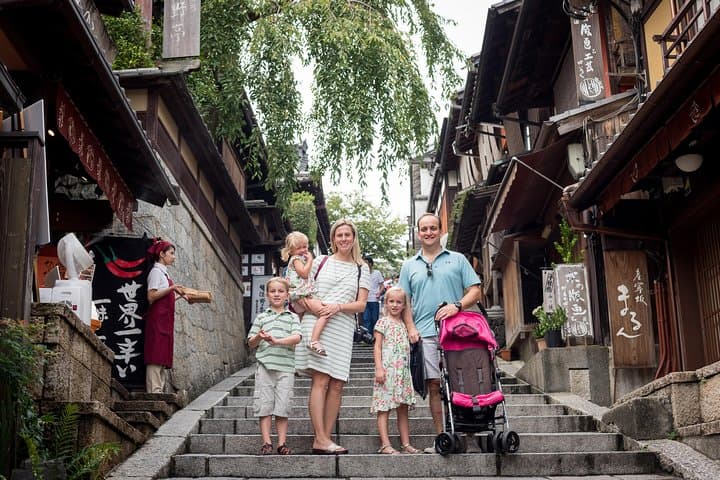

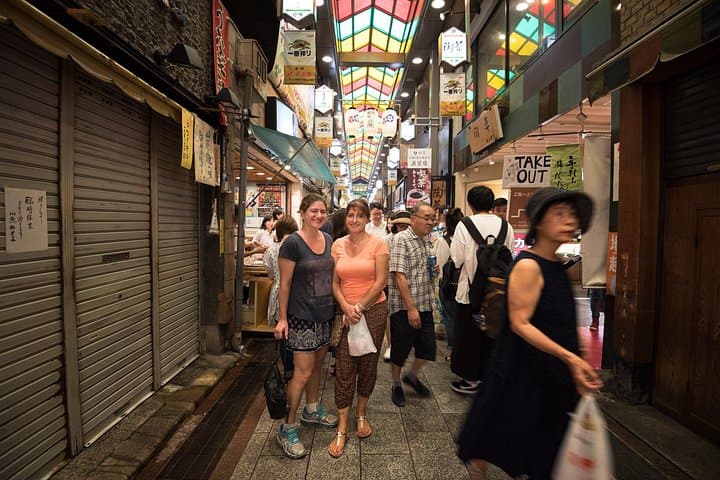
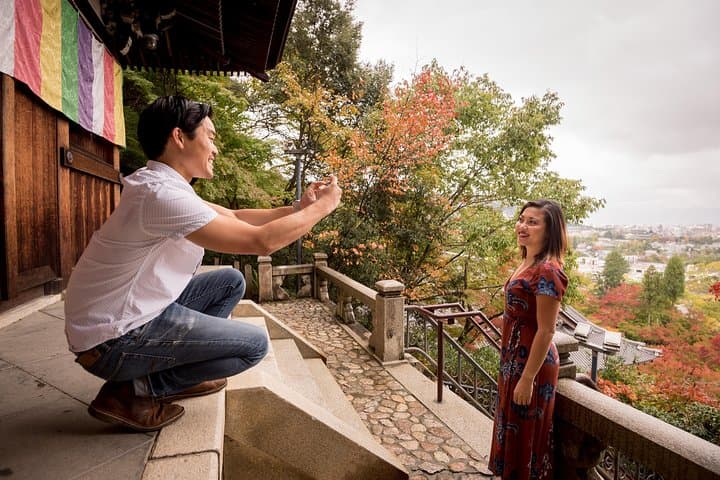
You step off a narrow street and the city exhales — wooden machiya houses, the river's low murmur, and a corridor of orange torii that seems to roll on forever. A private guide frames each turn: where to look, when to pause, how a garden's rake marks time.
You step off a narrow street and the city exhales — wooden machiya houses, the river's low murmur, and a corridor of orange torii that seems to roll on forever. A private guide frames each turn: where to look, when to pause, how a garden's rake marks time.
Kyoto was Japan’s imperial heart for over a millennium; its temples and shrines document shifts in religion, politics and craft. The city sits on an alluvial plain ringed by low mountains; its soil and streams shaped temple gardens and rice paddies for centuries. Cultural practice here values restraint and detail—tea ceremony, Zen gardens, and the measured walk along the Philosopher’s Path all reflect that discipline.
This tour typically covers 6 hours on foot, 6–10 km of mostly flat pavement and compacted paths with minimal elevation gain. Expect a mix of urban sidewalks, stepped temple approaches and mellow forest trails through bamboo groves. You’ll pass hallmark sites — torii gates, Kinkaku‑ji’s gilded face, and quieter temple gardens — with context from a local scholar-guide.
Practical edge: start early to avoid peak crowds and midday heat; carry 1–1.5 L water, comfortable soles, and a small daypack for layers and camera. Respect temple etiquette: quiet voices, remove hats indoors, and follow photography rules. Timing matters — golden hour and late afternoon soften statues and gardens.
A private tour turns logistics into leisure: fewer lines, tailored pacing, and a guide who can point out a hidden moss patch or the best angle on a pavilion. It’s an urban walk designed to slow you down while giving you the historical and cultural threads that make Kyoto legible.