THE ADVENTURE COLLECTIVE® · Independent discovery and booking for outdoor travel

Trace routes locals link to the Exodus on a three-day journey from Tabuk to the Red Sea. This guided itinerary combines coastal views, desert oases and archaeological sites with optional summit climbs for fit travelers.
Trace routes locals link to the Exodus on a three-day journey from Tabuk to the Red Sea. This guided itinerary combines coastal views, desert oases and archaeological sites with optional summit climbs for fit travelers.
Sand and stone shape the first image: a wind-scrubbed plain giving way to cliffs, date palms glinting where water stubbornly holds. On this three-day route from Tabuk to the Red Sea, travelers move through wide desert bowls, across a coastal inlet, and beneath the angular silhouette of Jebel Maqla — a place local Bedouins still point to when retelling the Exodus stories.
Verified experiences and guided adventures in the surrounding area.
Operated by Desert Paths · Tabuk, Tabuk Province
Sand and stone shape the first image: a wind-scrubbed plain giving way to cliffs, date palms glinting where water stubbornly holds. On this three-day route from Tabuk to the Red Sea, travelers move through wide desert bowls, across a coastal inlet, and beneath the angular silhouette of Jebel Maqla — a place local Bedouins still point to when retelling the Exodus stories.
Geology here is blunt and exposed: black volcanic outcrops sit beside pale sandstone canyons, and weathered granite boulders wear petroglyphs on their sun-facing flanks. Archaeological features—rock-cut tombs, stacked-stone altars and carved panels—sit in plain view, evidence of long human use from Nabatean trade routes to later Bedouin traditions.
Culturally the route is lived-in. Guides share Bedouin oral histories and point out wells and oasis palms that sustained caravans for centuries. The Red Sea crossing point offers a sharp visual contrast: turquoise water daring you to imagine a momentary divide between shores.
Practical guidance is straightforward. Expect long drives between points, uneven rocky approaches, and sections of loose scree on summit paths. Moderate fitness handles the itinerary; optional summit climbs require stronger conditioning and early starts to avoid afternoon heat. Hydration, sun protection, and sturdy boots are non-negotiable. Respect local customs around archaeological sites: do not climb on fragile features or remove artifacts.
Timing matters — travel in the cooler months, move deliberately, and leave plenty of daylight for site exploration. For travelers after a layered mix of history, geology and desert exertion, this trip delivers both readable landscapes and real, physical work to match the stories beneath the stones.
moderate.
3 days (72 hours).
Good baseline fitness for long walking days; optional summit climbs require strong cardiovascular endurance and surefootedness
Most sites are visited as part of the guided tour and permissions are handled by the operator; travelers should carry passports and follow guide instructions.
Optional climbs such as to Elijah's cave or Jebel Maqla peaks are steep, exposed and recommended only for fit, experienced hikers or those traveling with specialist guides.
Fall through spring (October–April) offers the most comfortable daytime temperatures and clearer conditions for exploring and climbing.
The itinerary includes several meals and overnight stays in local hotel apartments in Haql; specific dietary needs should be requested at booking.
Local Bedouin traditions and some archaeological features point to long-term human use; rock art, tombs and altars reflect Nabatean and pre-Islamic occupation alongside later Bedouin lore linking the area to Exodus narratives.
This is a fragile desert environment—stay on established tracks, avoid touching rock art, pack out waste and use local guides to minimize impact.
Desert Paths operates guided outdoor trips and adventures with an emphasis on safety, stewardship, and memorable experiences.
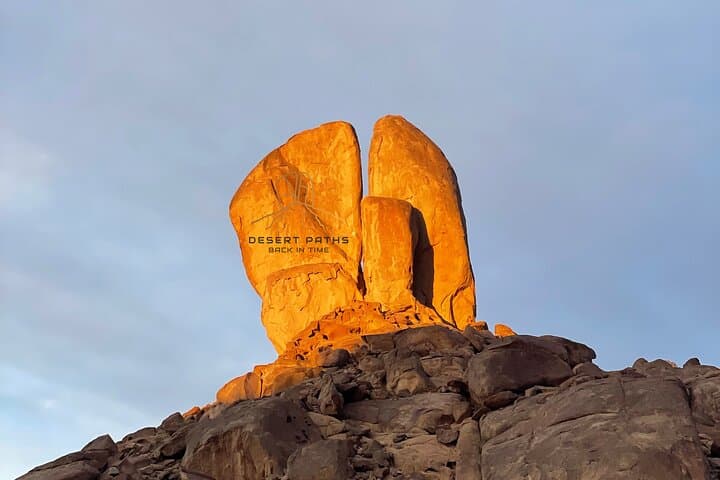
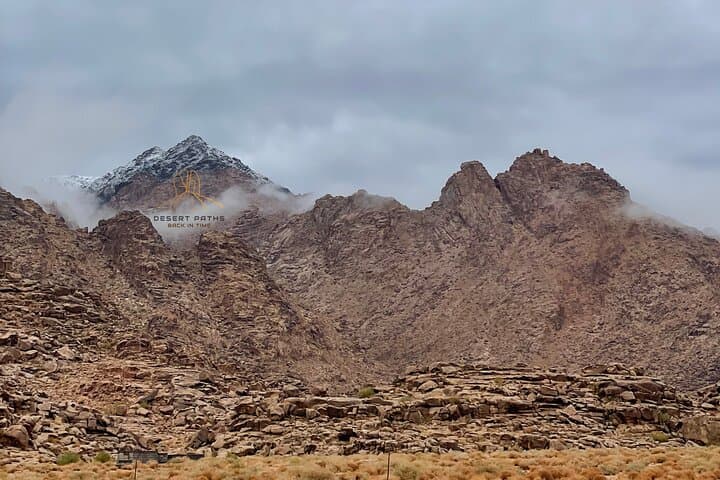
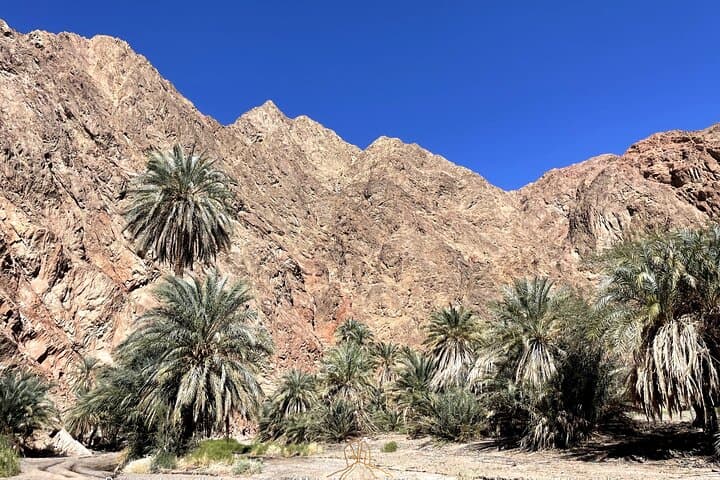
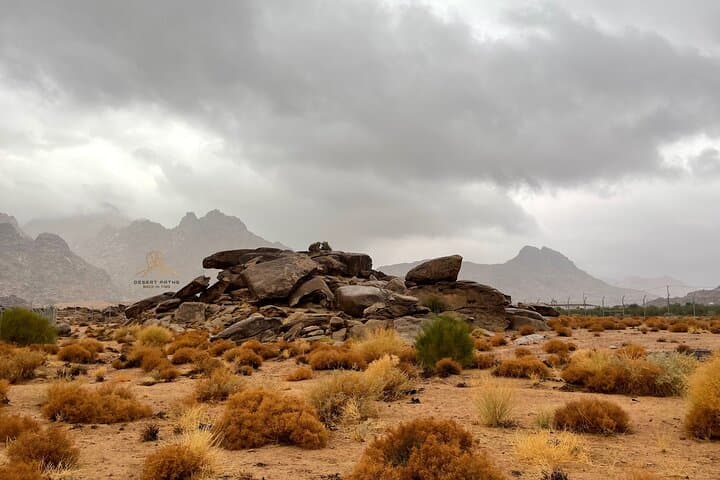
Sand and stone shape the first image: a wind-scrubbed plain giving way to cliffs, date palms glinting where water stubbornly holds. On this three-day route from Tabuk to the Red Sea, travelers move through wide desert bowls, across a coastal inlet, and beneath the angular silhouette of Jebel Maqla — a place local Bedouins still point to when retelling the Exodus stories.
Sand and stone shape the first image: a wind-scrubbed plain giving way to cliffs, date palms glinting where water stubbornly holds. On this three-day route from Tabuk to the Red Sea, travelers move through wide desert bowls, across a coastal inlet, and beneath the angular silhouette of Jebel Maqla — a place local Bedouins still point to when retelling the Exodus stories.
Geology here is blunt and exposed: black volcanic outcrops sit beside pale sandstone canyons, and weathered granite boulders wear petroglyphs on their sun-facing flanks. Archaeological features—rock-cut tombs, stacked-stone altars and carved panels—sit in plain view, evidence of long human use from Nabatean trade routes to later Bedouin traditions.
Culturally the route is lived-in. Guides share Bedouin oral histories and point out wells and oasis palms that sustained caravans for centuries. The Red Sea crossing point offers a sharp visual contrast: turquoise water daring you to imagine a momentary divide between shores.
Practical guidance is straightforward. Expect long drives between points, uneven rocky approaches, and sections of loose scree on summit paths. Moderate fitness handles the itinerary; optional summit climbs require stronger conditioning and early starts to avoid afternoon heat. Hydration, sun protection, and sturdy boots are non-negotiable. Respect local customs around archaeological sites: do not climb on fragile features or remove artifacts.
Timing matters — travel in the cooler months, move deliberately, and leave plenty of daylight for site exploration. For travelers after a layered mix of history, geology and desert exertion, this trip delivers both readable landscapes and real, physical work to match the stories beneath the stones.