THE ADVENTURE COLLECTIVE® · Independent discovery and booking for outdoor travel

Trace the exact routes Hans Christian Andersen walked in 1866 through Sintra’s historic center with a local historian. This private 3–4 hour walking tour combines archival images, local lore and the town’s dramatic geology for a focused cultural stroll.
Trace the exact routes Hans Christian Andersen walked in 1866 through Sintra’s historic center with a local historian. This private 3–4 hour walking tour combines archival images, local lore and the town’s dramatic geology for a focused cultural stroll.
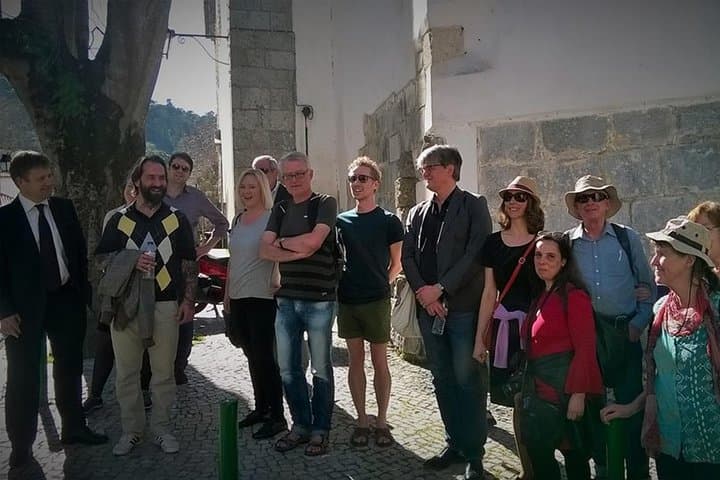
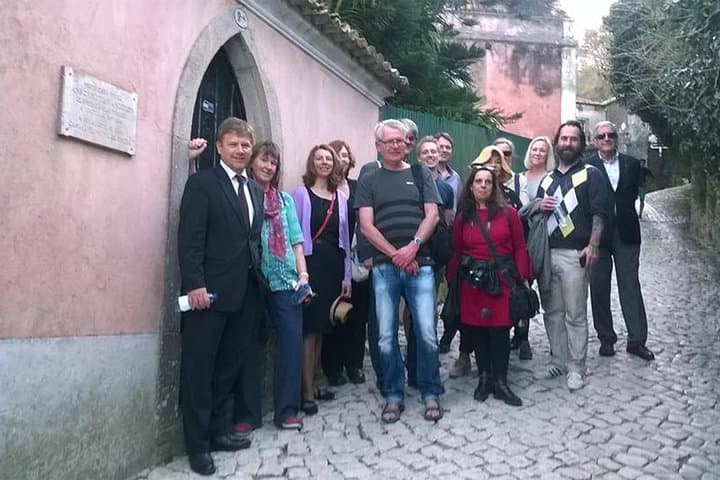
You step off the cobbled Rua das Padarias and the hills of Sintra seem to lean in, as if eager to share a secret. The air carries a cool Atlantic edge; pines and camellias shade narrow lanes where wheel ruts and flagstones still remember 19th-century boots. This private walking tour traces the routes Hans Christian Andersen followed in 1866, guided by a local historian who animates the people, beliefs and social rituals Andersen observed.
Verified experiences and guided adventures in the surrounding area.
Operated by MIGUEL BOIM ESTEVES MARQUES · Sintra, Lisbon District
You step off the cobbled Rua das Padarias and the hills of Sintra seem to lean in, as if eager to share a secret. The air carries a cool Atlantic edge; pines and camellias shade narrow lanes where wheel ruts and flagstones still remember 19th-century boots. This private walking tour traces the routes Hans Christian Andersen followed in 1866, guided by a local historian who animates the people, beliefs and social rituals Andersen observed.
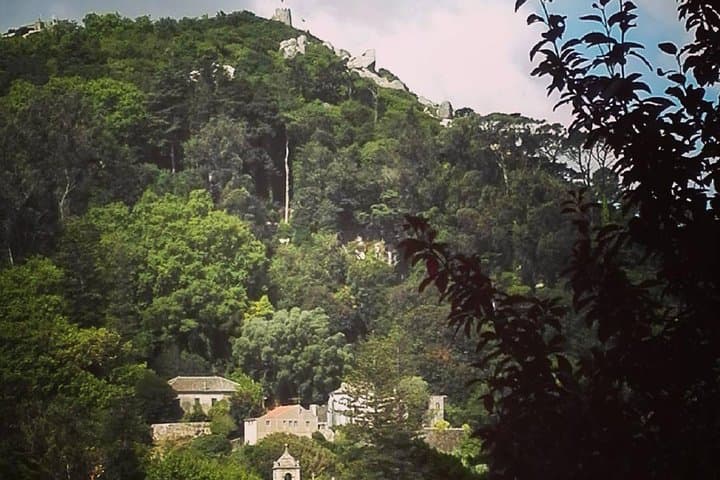
Sintra’s story is layered—pre-Roman fortifications, a Moorish castle perched on granite outcrops, and Romantic-era palaces built by an emerging European elite. Geology matters here: weathered granite tors give the town its sudden ridgelines and microclimates, which in turn fed the myths and superstitions Andersen wrote about. Culturally, the village was a summer retreat for aristocrats and artists, a place where folklore, science and courtly life intersected.
On this roughly 3–4 hour stroll you’ll pass plazas, viewpoints and sites that survive in maps and in memory; your guide supplements what’s visible with archival images and context about everyday life in the 19th century. Expect regular urban terrain—cobbles, short climbs and occasional steps—so comfortable, grippy footwear and layered clothing are practical choices.
Plan for smaller groups and a flexible route if municipal events reroute streets. Morning or late afternoon walks dodge peak crowds at major sights and let the soft light pick out tilework and mossed walls. Bring water, a light rain layer, and curiosity—Sintra rewards close attention.
easy.
3–4 hours.
Suitable for walkers comfortable with several hours of strolling, short climbs, and uneven cobbles.
The meeting point is in Sintra’s Historic Center; exact meeting instructions are provided on booking and confirmed by the guide.
Yes—terrain is equivalent to an afternoon stroll with some short inclines; notify the operator of mobility concerns when booking.
Yes, the historian brings images and references to illustrate how Sintra appeared in Andersen’s time.
Full refund available if you cancel at least 24 hours before the scheduled departure; check your booking confirmation for details.
Hans Christian Andersen visited Sintra in 1866; the town was a favored 19th-century retreat for European artists and aristocracy, influencing his impressions.
Sintra is part of a protected Cultural Landscape (UNESCO); stay on marked paths, avoid littering, and respect private estates to minimize impact.
MIGUEL BOIM ESTEVES MARQUES operates guided outdoor trips and adventures with an emphasis on safety, stewardship, and memorable experiences.
You step off the cobbled Rua das Padarias and the hills of Sintra seem to lean in, as if eager to share a secret. The air carries a cool Atlantic edge; pines and camellias shade narrow lanes where wheel ruts and flagstones still remember 19th-century boots. This private walking tour traces the routes Hans Christian Andersen followed in 1866, guided by a local historian who animates the people, beliefs and social rituals Andersen observed.
You step off the cobbled Rua das Padarias and the hills of Sintra seem to lean in, as if eager to share a secret. The air carries a cool Atlantic edge; pines and camellias shade narrow lanes where wheel ruts and flagstones still remember 19th-century boots. This private walking tour traces the routes Hans Christian Andersen followed in 1866, guided by a local historian who animates the people, beliefs and social rituals Andersen observed.
Sintra’s story is layered—pre-Roman fortifications, a Moorish castle perched on granite outcrops, and Romantic-era palaces built by an emerging European elite. Geology matters here: weathered granite tors give the town its sudden ridgelines and microclimates, which in turn fed the myths and superstitions Andersen wrote about. Culturally, the village was a summer retreat for aristocrats and artists, a place where folklore, science and courtly life intersected.
On this roughly 3–4 hour stroll you’ll pass plazas, viewpoints and sites that survive in maps and in memory; your guide supplements what’s visible with archival images and context about everyday life in the 19th century. Expect regular urban terrain—cobbles, short climbs and occasional steps—so comfortable, grippy footwear and layered clothing are practical choices.
Plan for smaller groups and a flexible route if municipal events reroute streets. Morning or late afternoon walks dodge peak crowds at major sights and let the soft light pick out tilework and mossed walls. Bring water, a light rain layer, and curiosity—Sintra rewards close attention.