THE ADVENTURE COLLECTIVE® · Independent discovery and booking for outdoor travel

Trace 2,000 years of history on a private 2.5‑hour walking tour of Évora: Roman temple, city walls, Renaissance churches and a museum visit. Practical tips and local context to help you plan the perfect half‑day in Portugal’s Alentejo heart.
Trace 2,000 years of history on a private 2.5‑hour walking tour of Évora: Roman temple, city walls, Renaissance churches and a museum visit. Practical tips and local context to help you plan the perfect half‑day in Portugal’s Alentejo heart.
You step from cobbled Praça do Giraldo into a city where stone keeps its stories. Columns rise against blue Alentejo sky, gulls wheel above roofs, and the Roman temple’s pillars stand like a row of patient witnesses to two millennia of change.
Verified experiences and guided adventures in the surrounding area.
Operated by Évora Cultural Experience · Évora, Alentejo
You step from cobbled Praça do Giraldo into a city where stone keeps its stories. Columns rise against blue Alentejo sky, gulls wheel above roofs, and the Roman temple’s pillars stand like a row of patient witnesses to two millennia of change.
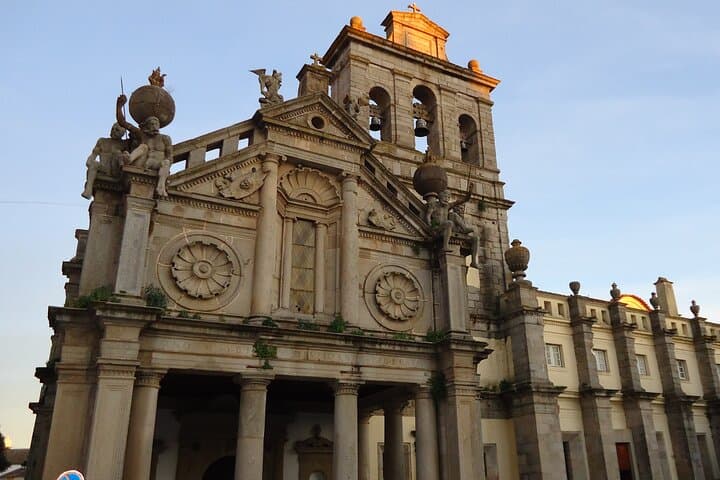
Évora began as the Roman Ebora in the 1st century BCE; the temple often called 'Temple of Diana' anchors a medieval plan that preserves Roman walls, aqueduct arches and a dense medieval core. The buildings speak in local stone—granite and regional marble—while Renaissance facades and the University cloisters layer later eras on top of Roman foundations. Nearby, the Chapel of Bones and the National Museum trace religious and civic shifts from medieval to modern Portugal.
Culturally the city is Alentejo: slow-paced, cork oak and cereal fields beyond the walls, and white storks nesting on towers. Geologically, the plateau’s exposed stones and mortar reveal construction choices that made Évora resilient through earthquakes and sieges.
Practical guidance: this private walking tour runs about 150 minutes and includes museum entry. Expect narrow lanes, uneven cobbles and short stair sections—good walking shoes and steady balance help. Start early in summer to avoid heat; bring a refillable water bottle and plan restroom stops near the museum. Guides usually cover the temple, Roman walls, Renaissance churches and the National Museum with focused context, so allow time afterward to linger on viewpoints and sample Alentejo bread and wine in Praça do Giraldo.
moderate.
2–3 hours.
Moderate fitness for walking on uneven cobbles and climbing short stair sections; able to stand and walk for extended periods.
The private tour lasts about 150 minutes and includes entrance tickets to the Évora National Museum as listed.
Some areas are stroller accessible, but cobbles and stairs mean the tour is not recommended for travelers with serious spinal problems or significant mobility limitations.
Meeting points vary; confirm with your operator—most start near Praça do Giraldo or the Roman Temple for easy access to the main sites.
Museum policies vary—large bags may be restricted, so travel light or check ahead for cloakroom availability.
Évora grew from the Roman settlement of Ebora and retains a Roman temple, defensive walls and a layered urban fabric reflecting Roman, medieval and Renaissance periods.
The historic core is fragile—stay on marked paths, respect sites and follow museum rules to protect mosaics and stonework; local initiatives limit impact during high season.
Évora Cultural Experience operates guided outdoor trips and adventures with an emphasis on safety, stewardship, and memorable experiences.
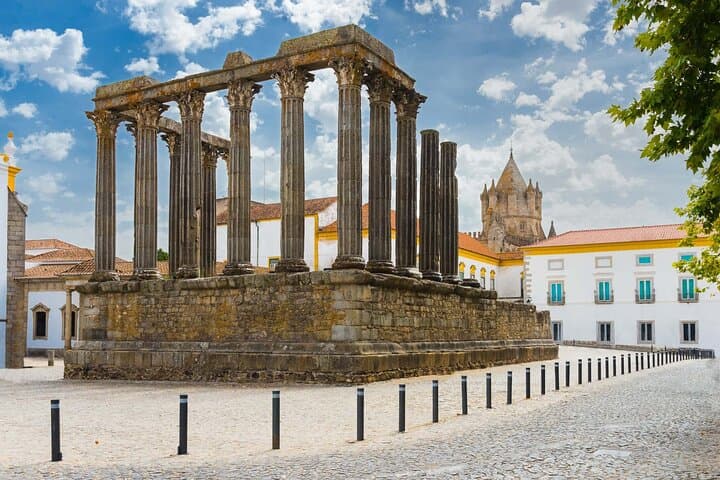
You step from cobbled Praça do Giraldo into a city where stone keeps its stories. Columns rise against blue Alentejo sky, gulls wheel above roofs, and the Roman temple’s pillars stand like a row of patient witnesses to two millennia of change.
You step from cobbled Praça do Giraldo into a city where stone keeps its stories. Columns rise against blue Alentejo sky, gulls wheel above roofs, and the Roman temple’s pillars stand like a row of patient witnesses to two millennia of change.
Évora began as the Roman Ebora in the 1st century BCE; the temple often called 'Temple of Diana' anchors a medieval plan that preserves Roman walls, aqueduct arches and a dense medieval core. The buildings speak in local stone—granite and regional marble—while Renaissance facades and the University cloisters layer later eras on top of Roman foundations. Nearby, the Chapel of Bones and the National Museum trace religious and civic shifts from medieval to modern Portugal.
Culturally the city is Alentejo: slow-paced, cork oak and cereal fields beyond the walls, and white storks nesting on towers. Geologically, the plateau’s exposed stones and mortar reveal construction choices that made Évora resilient through earthquakes and sieges.
Practical guidance: this private walking tour runs about 150 minutes and includes museum entry. Expect narrow lanes, uneven cobbles and short stair sections—good walking shoes and steady balance help. Start early in summer to avoid heat; bring a refillable water bottle and plan restroom stops near the museum. Guides usually cover the temple, Roman walls, Renaissance churches and the National Museum with focused context, so allow time afterward to linger on viewpoints and sample Alentejo bread and wine in Praça do Giraldo.