THE ADVENTURE COLLECTIVE® · Independent discovery and booking for outdoor travel

Take a self-guided audio walk down El Prado and see how a 1915 exposition shaped San Diego. This accessible tour pairs GPS-triggered narration with close-up views of the park’s architecture, gardens, and hidden courtyards.
Take a self-guided audio walk down El Prado and see how a 1915 exposition shaped San Diego. This accessible tour pairs GPS-triggered narration with close-up views of the park’s architecture, gardens, and hidden courtyards.
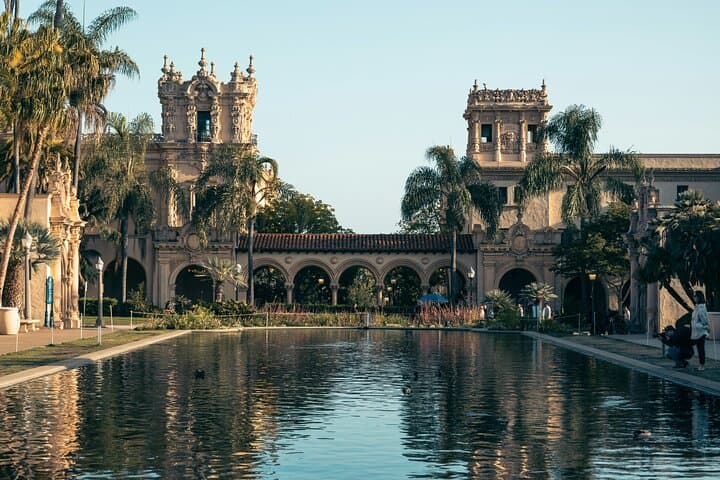
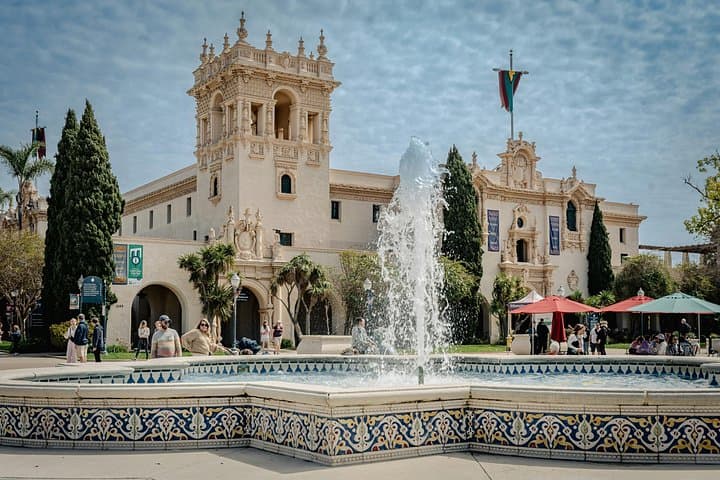
Morning light warms the tile and stucco along El Prado as walkers move past colonnades that once greeted a world’s fair. The audio voice guides you to stop, look up at carved capitals and step into courtyards where fountains and succulents take on personality—plants that seem to lean in to listen.
Verified experiences and guided adventures in the surrounding area.
Operated by Drives & Detours · San Diego, California
Morning light warms the tile and stucco along El Prado as walkers move past colonnades that once greeted a world’s fair. The audio voice guides you to stop, look up at carved capitals and step into courtyards where fountains and succulents take on personality—plants that seem to lean in to listen.
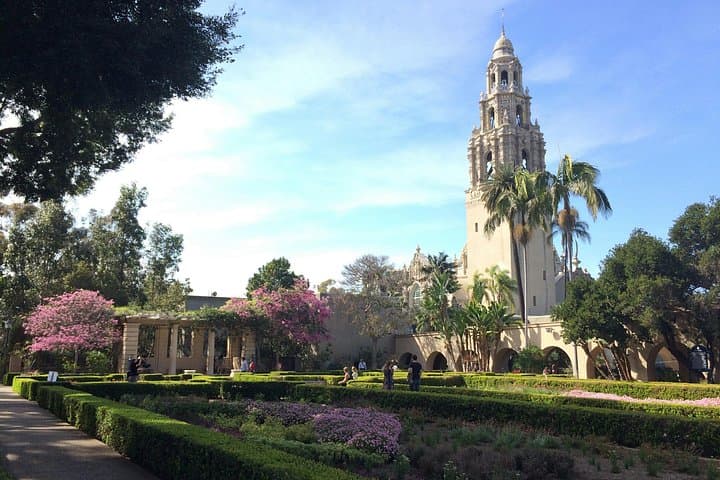
Balboa Park grew from the 1915 Panama-California Exposition and the Spanish Colonial Revival architecture that followed. The park’s geology is gentle: mesas, shallow canyons, and planted terraces shaped by early landscape designers like Kate Sessions. Cultural life here is layered: museums, performance venues, international cottages and artists’ studios that chronicle San Diego’s civic ambition and immigrant stories.
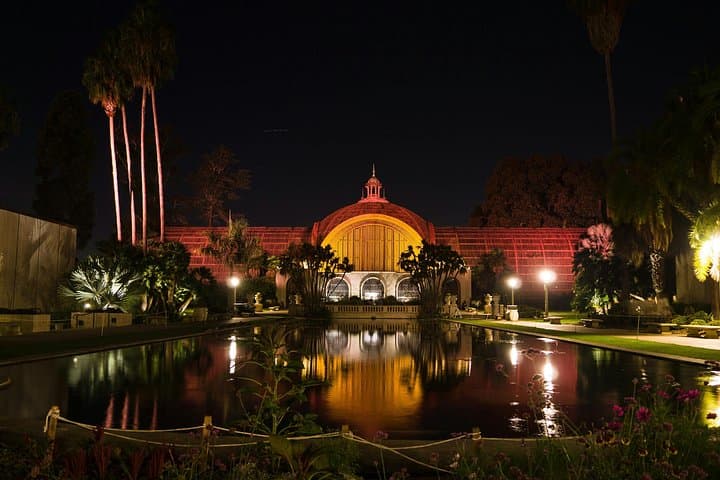
The walk traces El Prado’s principal buildings, passing the botanical lily pond, the Botanical Building, the Cabrillo Bridge approach and a handful of lesser-known courtyards where tilework and plaques reveal civic drama and restoration efforts. Expect GPS-triggered audio that contextualizes ornament, engineering and social history while letting the park’s light and breeze animate the narration.
Practical guide: the full route is best at a relaxed 2–2.5 hour pace, roughly 1.5–2 miles with many short stops. Download the Drives & Detours app and the tour in advance for offline playback; cell signal can be spotty in canyoned areas. Wear supportive shoes, bring water and sun protection, and plan to arrive early on weekends to avoid crowds. The tour is wheelchair- and stroller-accessible and ideal for history-minded walkers who want control of pace and focus.
easy.
2–2.5 hours.
Suitable for most fitness levels; involves gentle walking with frequent stops
The tour takes about 2–2.5 hours at a relaxed pace and covers roughly 1.5–2 miles with multiple short stops.
No reservations are required; buy once and use the access code in the app—no timed entry to the tour itself.
Yes. The path along El Prado and primary courtyards are wheelchair- and stroller-accessible, though some side paths may be uneven.
Yes, many museums are adjacent to the route but may require separate admission and have varied hours—check each museum’s schedule.
Balboa Park was transformed for the 1915 Panama-California Exposition; its Spanish Colonial Revival buildings defined the park’s look and civic identity.
The park relies on active preservation and volunteer efforts; stay on paths, avoid picking plants and carry out trash to protect fragile plantings.
Drives & Detours operates guided outdoor trips and adventures with an emphasis on safety, stewardship, and memorable experiences.
Morning light warms the tile and stucco along El Prado as walkers move past colonnades that once greeted a world’s fair. The audio voice guides you to stop, look up at carved capitals and step into courtyards where fountains and succulents take on personality—plants that seem to lean in to listen.
Morning light warms the tile and stucco along El Prado as walkers move past colonnades that once greeted a world’s fair. The audio voice guides you to stop, look up at carved capitals and step into courtyards where fountains and succulents take on personality—plants that seem to lean in to listen.
Balboa Park grew from the 1915 Panama-California Exposition and the Spanish Colonial Revival architecture that followed. The park’s geology is gentle: mesas, shallow canyons, and planted terraces shaped by early landscape designers like Kate Sessions. Cultural life here is layered: museums, performance venues, international cottages and artists’ studios that chronicle San Diego’s civic ambition and immigrant stories.
The walk traces El Prado’s principal buildings, passing the botanical lily pond, the Botanical Building, the Cabrillo Bridge approach and a handful of lesser-known courtyards where tilework and plaques reveal civic drama and restoration efforts. Expect GPS-triggered audio that contextualizes ornament, engineering and social history while letting the park’s light and breeze animate the narration.
Practical guide: the full route is best at a relaxed 2–2.5 hour pace, roughly 1.5–2 miles with many short stops. Download the Drives & Detours app and the tour in advance for offline playback; cell signal can be spotty in canyoned areas. Wear supportive shoes, bring water and sun protection, and plan to arrive early on weekends to avoid crowds. The tour is wheelchair- and stroller-accessible and ideal for history-minded walkers who want control of pace and focus.