THE ADVENTURE COLLECTIVE® · Independent discovery and booking for outdoor travel

Trace Berlin’s WWII history on a private 2½-hour walking tour from the Brandenburg Gate to Hackescher Markt. Visit memorials, synagogues, and quieter sites that reveal stories of occupation, survival, and rebuilding.
Trace Berlin’s WWII history on a private 2½-hour walking tour from the Brandenburg Gate to Hackescher Markt. Visit memorials, synagogues, and quieter sites that reveal stories of occupation, survival, and rebuilding.
Stand at Pariser Platz and the city presses in: traffic hums, tourists drift, and the Brandenburg Gate looms as a bracket between present and past. On this private walking tour, cobblestones and modern glass guide you through neighborhoods where power was performed and then dismantled.
Verified experiences and guided adventures in the surrounding area.
Operated by StellarTours · Berlin, Berlin
Stand at Pariser Platz and the city presses in: traffic hums, tourists drift, and the Brandenburg Gate looms as a bracket between present and past. On this private walking tour, cobblestones and modern glass guide you through neighborhoods where power was performed and then dismantled.
The walk threads major WWII-era sites—the Reichstag, the Tiergarten memorials, the Holocaust Memorial—and then shifts into the Jewish Quarter, where synagogues and repaired façades tell a story of rupture and recovery. Geologically Berlin sits on a flat glacial plain; here history, not topography, shapes sightlines: broad avenues made for parades now direct attention to plaques, pools, and sculptures that ask for reflection.
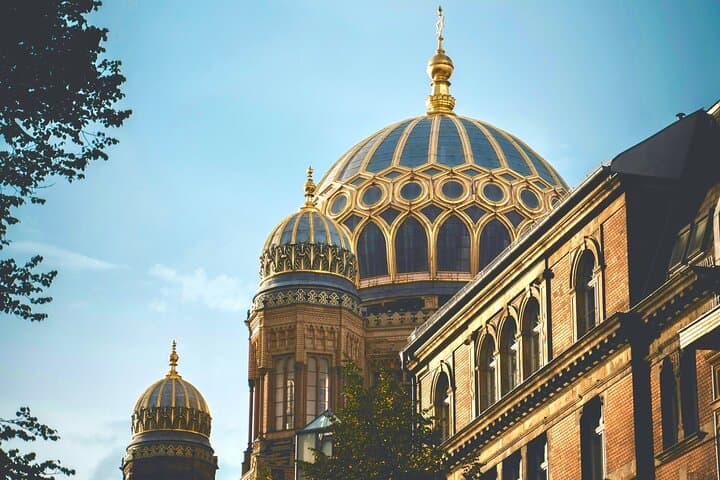
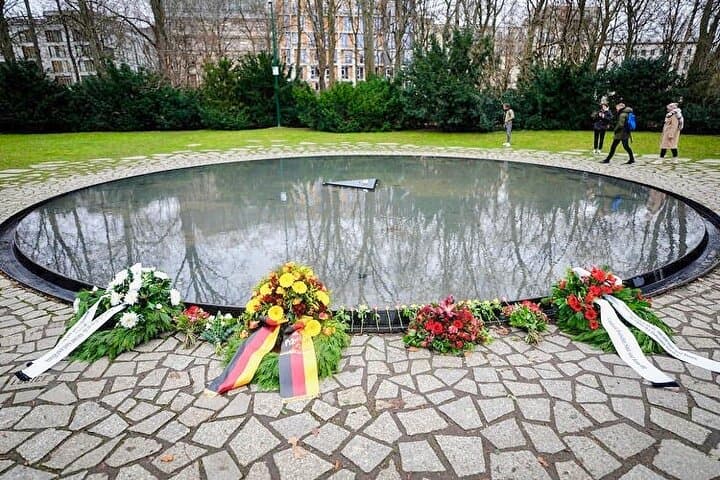
Culturally the route contrasts state architecture with neighborhood life: Soviet memorials recall wartime occupation while the New Synagogue and local museums map Jewish life before and after the war. Small sites—Otto Weidt’s workshop, the Sinti‑Roma memorial—reveal acts of resistance and communities targeted by Nazi policy.
Practical guide: the private tour runs about 2½ hours, begins at the Hotel Adlon Kempinski by Pariser Platz and finishes at Hackescher Markt. Expect steady urban walking on paved paths with brief stops; the pace allows questions and close reading of memorials. The tour is wheelchair accessible and suitable for most fitness levels, but emotionally heavy subjects demand readiness: wear comfortable shoes, bring water, and leave time afterward to process the visit at a café or the Tiergarten.
This experience privileges context over spectacle—it's a guided, deliberate walk through sites where history is visible in stone, street, and silence.
easy.
2–3 hours.
Light urban walking over paved surfaces; suitable for most fitness levels but expect standing and short walks between stops.
The tour is approximately 150 minutes and begins at the main entrance of Hotel Adlon Kempinski at Pariser Platz next to the Brandenburg Gate.
Yes—this tour is listed as wheelchair and stroller accessible with mostly paved routes and manageable step-free access at key stops.
This listing includes a certified expert guide; language options vary by guide—confirm language preference at booking or via the operator link.
Most stops are outdoor memorials and viewpoints; specific museum entries (like parts of the New Synagogue or small museums) may not be included—ask the guide about optional entrances and fees.
The route highlights Berlin’s transition from Nazi parade grounds to post‑war occupation zones and the city’s complex process of remembrance and reconstruction.
Visitors are asked to treat memorials respectfully, stay on designated paths, and avoid disturbing plaques and plantings; small-group tours reduce crowding at sensitive sites.
StellarTours operates guided outdoor trips and adventures with an emphasis on safety, stewardship, and memorable experiences.


Stand at Pariser Platz and the city presses in: traffic hums, tourists drift, and the Brandenburg Gate looms as a bracket between present and past. On this private walking tour, cobblestones and modern glass guide you through neighborhoods where power was performed and then dismantled.
Stand at Pariser Platz and the city presses in: traffic hums, tourists drift, and the Brandenburg Gate looms as a bracket between present and past. On this private walking tour, cobblestones and modern glass guide you through neighborhoods where power was performed and then dismantled.
The walk threads major WWII-era sites—the Reichstag, the Tiergarten memorials, the Holocaust Memorial—and then shifts into the Jewish Quarter, where synagogues and repaired façades tell a story of rupture and recovery. Geologically Berlin sits on a flat glacial plain; here history, not topography, shapes sightlines: broad avenues made for parades now direct attention to plaques, pools, and sculptures that ask for reflection.
Culturally the route contrasts state architecture with neighborhood life: Soviet memorials recall wartime occupation while the New Synagogue and local museums map Jewish life before and after the war. Small sites—Otto Weidt’s workshop, the Sinti‑Roma memorial—reveal acts of resistance and communities targeted by Nazi policy.
Practical guide: the private tour runs about 2½ hours, begins at the Hotel Adlon Kempinski by Pariser Platz and finishes at Hackescher Markt. Expect steady urban walking on paved paths with brief stops; the pace allows questions and close reading of memorials. The tour is wheelchair accessible and suitable for most fitness levels, but emotionally heavy subjects demand readiness: wear comfortable shoes, bring water, and leave time afterward to process the visit at a café or the Tiergarten.
This experience privileges context over spectacle—it's a guided, deliberate walk through sites where history is visible in stone, street, and silence.