THE ADVENTURE COLLECTIVE® · Independent discovery and booking for outdoor travel

Travel north from Auckland for a full‑day, guided visit to the Waitangi Treaty Grounds — the place where New Zealand’s founding document was signed. Expect museum exhibits, a powerful Māori cultural performance, and shoreline views in the Bay of Islands.
Travel north from Auckland for a full‑day, guided visit to the Waitangi Treaty Grounds — the place where New Zealand’s founding document was signed. Expect museum exhibits, a powerful Māori cultural performance, and shoreline views in the Bay of Islands.
A day on the road to Waitangi begins with the rumble of an air‑conditioned coach leaving Auckland and the landscape steadily opening to rolling farmland and pockets of native bush. By late morning the coast arrives — wind on the skin, pōhutukawa clinging to rocky headlands — and the Treaty Grounds sit where land meets sea, framed by the calm waters of the Bay of Islands.
Verified experiences and guided adventures in the surrounding area.
Operated by Auckland & Beyond Tours · Waitangi, Northland
A day on the road to Waitangi begins with the rumble of an air‑conditioned coach leaving Auckland and the landscape steadily opening to rolling farmland and pockets of native bush. By late morning the coast arrives — wind on the skin, pōhutukawa clinging to rocky headlands — and the Treaty Grounds sit where land meets sea, framed by the calm waters of the Bay of Islands.
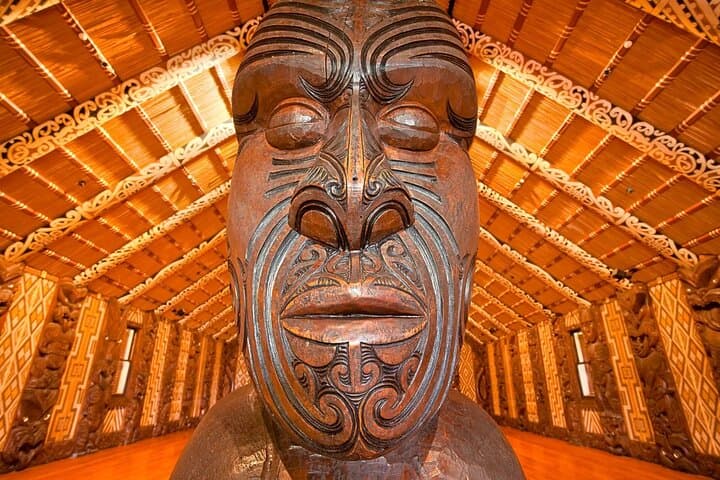
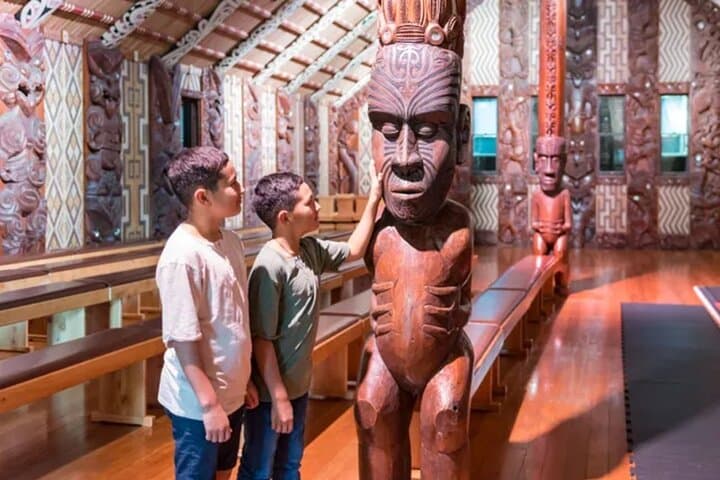
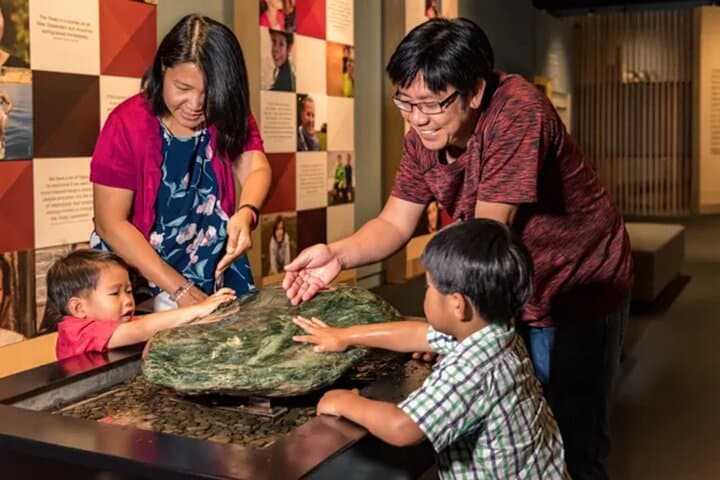
This is where the Treaty of Waitangi was signed in 1840, a compact that shaped modern Aotearoa and remains central to contemporary New Zealand law and identity. The grounds combine restored colonial buildings and striking contemporary architecture: Te Kōngahu Museum uses multimedia and artifacts to chart early contact and the Treaty’s ongoing significance, while Te Rau Aroha reflects on Māori military service and sacrifice.
Geologically, Northland’s landscape is older greywacke and volcanic basalt, with sheltered harbors that supported waka travel for centuries. Culture is tactile here — haka, waiata and the carved prow of Ngā Toki Matawhaorua convey living traditions rather than static exhibits.
Practically: arrive with sunscreen and a light rain layer, allow 2–3 hours on site to see museum galleries, the Treaty House and the waka, and plan for a full 10–12 hour day if traveling from Auckland. Respect tikanga: follow guides’ photography guidance, remove hats in formal ceremonies, and stay to marked paths to protect archaeological features. Whether you’re after history, architecture or a clear slice of national identity, the Waitangi day tour delivers a compact, teachable and moving experience.
easy.
12 hours.
Suitable for most fitness levels; involves walking on paved and gravel surfaces for a few hours.
No — this full‑day tour includes all entry tickets and guided tours at the Treaty Grounds and museums.
Yes — the Treaty Grounds, museums and key exhibits are wheelchair accessible; contact the operator in advance for pickup needs.
Bottled water and snacks are provided on the coach; plan for a light lunch on site or bring your own if you have dietary needs.
Photography may be limited during some ceremonial moments; follow the guide and performers’ instructions out of respect.
The Treaty of Waitangi was first signed at this site in February 1840; the grounds now host museum galleries and memorials that trace the document’s significance and contested legacy.
The Treaty Grounds and associated museums prioritize care of historic sites and cultural taonga; visitors are encouraged to stay on paths, take rubbish with them, and support local iwi‑run cultural programs.
Auckland & Beyond Tours operates guided outdoor trips and adventures with an emphasis on safety, stewardship, and memorable experiences.

A day on the road to Waitangi begins with the rumble of an air‑conditioned coach leaving Auckland and the landscape steadily opening to rolling farmland and pockets of native bush. By late morning the coast arrives — wind on the skin, pōhutukawa clinging to rocky headlands — and the Treaty Grounds sit where land meets sea, framed by the calm waters of the Bay of Islands.
A day on the road to Waitangi begins with the rumble of an air‑conditioned coach leaving Auckland and the landscape steadily opening to rolling farmland and pockets of native bush. By late morning the coast arrives — wind on the skin, pōhutukawa clinging to rocky headlands — and the Treaty Grounds sit where land meets sea, framed by the calm waters of the Bay of Islands.
This is where the Treaty of Waitangi was signed in 1840, a compact that shaped modern Aotearoa and remains central to contemporary New Zealand law and identity. The grounds combine restored colonial buildings and striking contemporary architecture: Te Kōngahu Museum uses multimedia and artifacts to chart early contact and the Treaty’s ongoing significance, while Te Rau Aroha reflects on Māori military service and sacrifice.
Geologically, Northland’s landscape is older greywacke and volcanic basalt, with sheltered harbors that supported waka travel for centuries. Culture is tactile here — haka, waiata and the carved prow of Ngā Toki Matawhaorua convey living traditions rather than static exhibits.
Practically: arrive with sunscreen and a light rain layer, allow 2–3 hours on site to see museum galleries, the Treaty House and the waka, and plan for a full 10–12 hour day if traveling from Auckland. Respect tikanga: follow guides’ photography guidance, remove hats in formal ceremonies, and stay to marked paths to protect archaeological features. Whether you’re after history, architecture or a clear slice of national identity, the Waitangi day tour delivers a compact, teachable and moving experience.