THE ADVENTURE COLLECTIVE® · Independent discovery and booking for outdoor travel

Visit the Waitangi Treaty Grounds to walk the lawns where New Zealand’s founding document was signed. This day pass includes museum entry, a guided tour, a cultural performance and two days’ access to the historic site and waterfront walks.
Visit the Waitangi Treaty Grounds to walk the lawns where New Zealand’s founding document was signed. This day pass includes museum entry, a guided tour, a cultural performance and two days’ access to the historic site and waterfront walks.
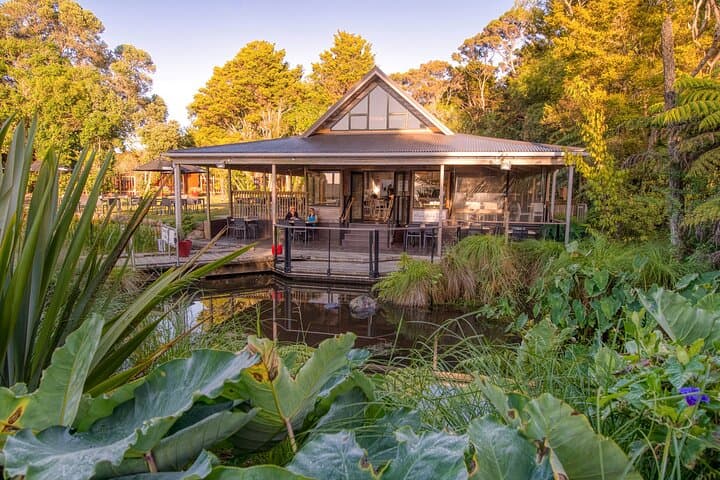
The tidal estuary laps at the edge of a site where a small group of officials and rangatira once altered the course of a nation. Walk onto the lawns of the Waitangi Treaty Grounds and the Bay of Islands opens like a painted map: pohutukawa-edged shoreline, a ceremonial waka grounded on display, and native bush that frames the historic buildings.
Verified experiences and guided adventures in the surrounding area.
Operated by Waitangi Treaty Grounds · Waitangi, Northland
The tidal estuary laps at the edge of a site where a small group of officials and rangatira once altered the course of a nation. Walk onto the lawns of the Waitangi Treaty Grounds and the Bay of Islands opens like a painted map: pohutukawa-edged shoreline, a ceremonial waka grounded on display, and native bush that frames the historic buildings.
This place is where the Treaty of Waitangi (Te Tiriti o Waitangi) was first signed in 1840 — the founding document that shaped relationships between Māori and the Crown. Geology here is coastal sandstone and estuarine mudflats carved by tidal rhythms; the grounds sit at the confluence of Māori settlement, colonial architecture and temperate maritime bush.
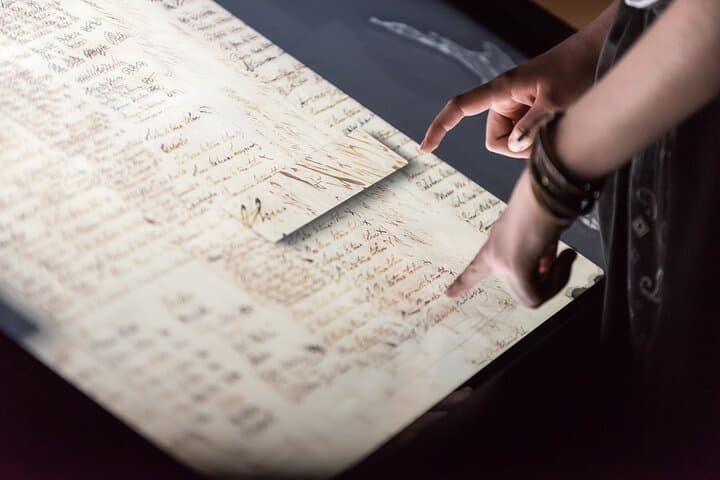
Cultural programmes and the 50-minute guided tours place objects and stories in context: the waka, carved meeting houses, and the Te Kōngahu museum exhibits that examine citizenship and contested histories. Local culture is living — performers animate waiata and haka while guides explain protocols and the significance of sites.
Practically, admission grants two consecutive days of access, museum entry, a guided tour, and a 30-minute Māori cultural performance. Expect uneven paths in places, sheltered viewpoints above the estuary, and a compact network of walks that reward a steady pace rather than a sprint.
Bring a waterproof layer, sturdy shoes, sun protection and time to linger by the waterfront. Arrive early for cooler light and smaller crowds, and allow 2–4 hours for a focused visit or longer if you plan to join interpretive programmes and walk the bush tracks.
moderate.
1–2 days.
Moderate fitness for walking short hills and uneven surfaces; plan for several hours on foot.
Admission is valid for two consecutive days and includes museum entry, a guided tour and a 30‑minute cultural performance.
The grounds and key buildings have wheelchair access, but expect some uneven surfaces on walks; contact staff for assistance if needed.
Tours and performances are included with admission; popular time slots can fill, so booking in advance is recommended during peak season.
Waitangi is about a 25‑minute walk or 2‑minute drive from Paihia; from Auckland it’s roughly a 3‑hour drive north via State Highway 1 and local roads toward the Bay of Islands.
The Treaty of Waitangi, signed in 1840 at these grounds, is the pivotal document that established the relationship between Māori and the British Crown and remains central to New Zealand’s identity.
Visitors are asked to stick to marked paths, avoid disturbing native vegetation and respect marae protocols; the site supports local conservation and education efforts to protect cultural taonga and coastal habitats.
Waitangi Treaty Grounds operates guided outdoor trips and adventures with an emphasis on safety, stewardship, and memorable experiences.


The tidal estuary laps at the edge of a site where a small group of officials and rangatira once altered the course of a nation. Walk onto the lawns of the Waitangi Treaty Grounds and the Bay of Islands opens like a painted map: pohutukawa-edged shoreline, a ceremonial waka grounded on display, and native bush that frames the historic buildings.
The tidal estuary laps at the edge of a site where a small group of officials and rangatira once altered the course of a nation. Walk onto the lawns of the Waitangi Treaty Grounds and the Bay of Islands opens like a painted map: pohutukawa-edged shoreline, a ceremonial waka grounded on display, and native bush that frames the historic buildings.
This place is where the Treaty of Waitangi (Te Tiriti o Waitangi) was first signed in 1840 — the founding document that shaped relationships between Māori and the Crown. Geology here is coastal sandstone and estuarine mudflats carved by tidal rhythms; the grounds sit at the confluence of Māori settlement, colonial architecture and temperate maritime bush.
Cultural programmes and the 50-minute guided tours place objects and stories in context: the waka, carved meeting houses, and the Te Kōngahu museum exhibits that examine citizenship and contested histories. Local culture is living — performers animate waiata and haka while guides explain protocols and the significance of sites.
Practically, admission grants two consecutive days of access, museum entry, a guided tour, and a 30-minute Māori cultural performance. Expect uneven paths in places, sheltered viewpoints above the estuary, and a compact network of walks that reward a steady pace rather than a sprint.
Bring a waterproof layer, sturdy shoes, sun protection and time to linger by the waterfront. Arrive early for cooler light and smaller crowds, and allow 2–4 hours for a focused visit or longer if you plan to join interpretive programmes and walk the bush tracks.