THE ADVENTURE COLLECTIVE® · Independent discovery and booking for outdoor travel

Board a small dive boat from Waikiki and explore wrecks like the Sea Tiger and YO-237, then drift across shallow reefs rich with turtles, parrotfish, and octopus. This guided, eco-conscious dive pairs local culture with low instructor-to-student ratios for a focused underwater experience.
Board a small dive boat from Waikiki and explore wrecks like the Sea Tiger and YO-237, then drift across shallow reefs rich with turtles, parrotfish, and octopus. This guided, eco-conscious dive pairs local culture with low instructor-to-student ratios for a focused underwater experience.
Salt spray and the hum of an outboard announce departure from Waikiki; the shoreline shrinks to a ribbon of sand as the Motor Vessel Ruckus eases into blue water and the Pacific opens.
Verified experiences and guided adventures in the surrounding area.
Operated by Jimmy · Honolulu, Hawaii
Salt spray and the hum of an outboard announce departure from Waikiki; the shoreline shrinks to a ribbon of sand as the Motor Vessel Ruckus eases into blue water and the Pacific opens.
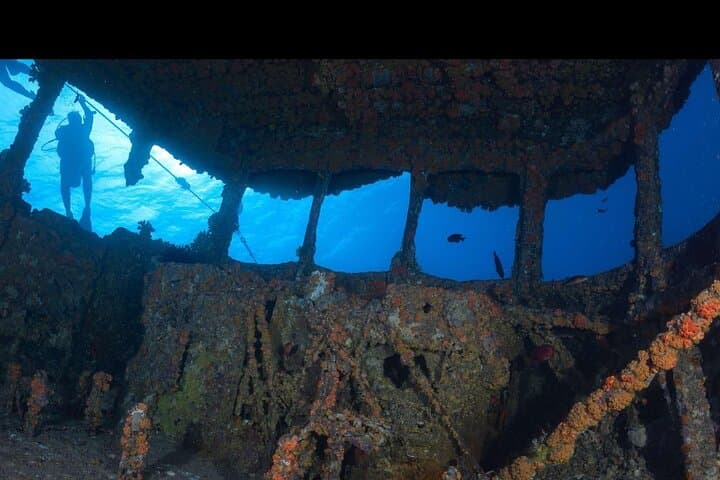
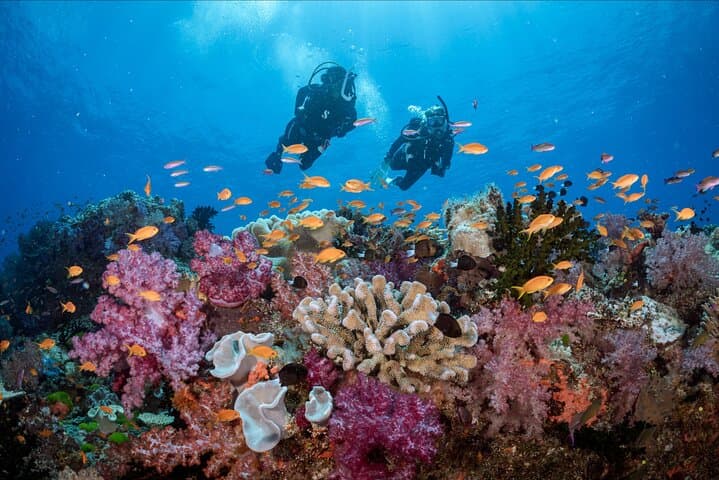
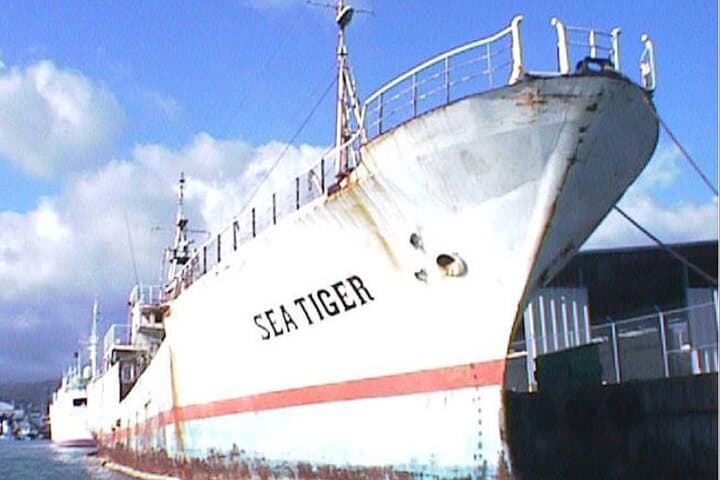
You’ll surface over sites shaped by Oahu’s volcanic past and maritime history: rusted hulls like the Sea Tiger and YO-237 become artificial reefs, while shallow coral gardens host parrotfish and curious octopus. The wrecks — naval hulks and tugs — tell a modern story of salvage, training, and intentional reef creation, their portholes and beams now draped in soft coral and schools of chromis.
Culturally, dives in Hawaiian waters carry a local ethic of aloha and stewardship; operators emphasize respectful behavior around turtles (honu) and reef life. Geologically, these sites sit on fringing reefs and submerged lava flows that form pockets and caverns, creating swim-throughs and current-sheltered ledges.
Practical guidance: plan for a 4-hour excursion with surface intervals and boat transit; certified divers only for wreck sites. Expect shallow reef dives (10–18 m) and deeper wreck exposures (18–30 m) with moderate currents possible at entrance points. Bring a dive computer, redundant weight system, and ribboned SMB for ascent safety. Hydrate well before boarding, use reef-safe sunscreen, and follow your guide’s brief closely — low instructor-to-student ratios mean personalized help, but you’re accountable for your certification limits.
Timing matters: morning departures often offer gentler seas and clearer visibility. Above water, Honolulu’s amenities are minutes from the harbor; below, Hawaiian marine life and the quiet architecture of wrecks reward steady, attentive divers.
moderate.
4 hours.
Moderate fitness recommended — able to carry gear, perform basic buddy checks, and manage surface swims
Yes — participants must present an Open Water certification or higher; some reef snorkeling options may be offered separately but wreck sites require certification.
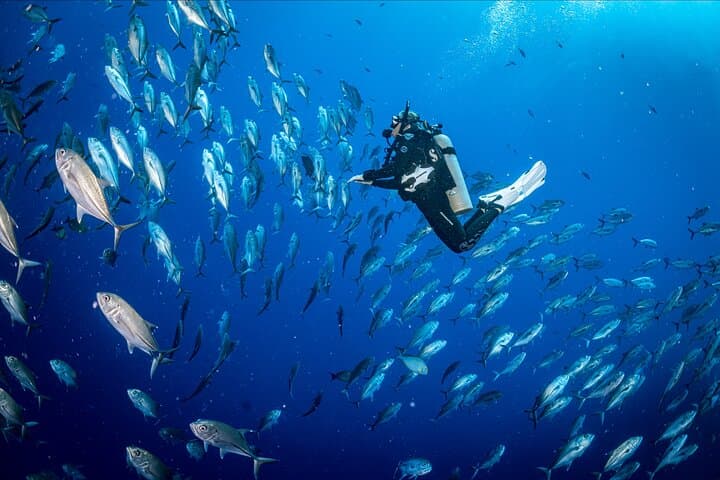
Common sightings include green sea turtles, parrotfish, octopus, reef sharks in deeper sites, and schools of tropical reef fish around coral formations.
Wreck depths vary: shallow reef dives are typically 10–18 m (30–60 ft), while wrecks like the Sea Tiger and YO-237 can reach 18–30 m (60–100 ft); follow guide limits.
Basic scuba equipment (BCD, regulator, tank, weights, mask, snorkel, fins) is included, but many divers prefer to use their personal masks and computers for fit and familiarity.
Many wrecks off Oahu were intentionally scuttled or became artificial reefs after wartime and training use; they now function as public dive sites with cultural respect for Hawaiian marine stewardship.
Operators promote reef-safe sunscreen, no-touch policies, and limit group sizes to reduce impact; divers are asked to avoid disturbing coral and marine animals.
Jimmy operates guided outdoor trips and adventures with an emphasis on safety, stewardship, and memorable experiences.
Salt spray and the hum of an outboard announce departure from Waikiki; the shoreline shrinks to a ribbon of sand as the Motor Vessel Ruckus eases into blue water and the Pacific opens.
Salt spray and the hum of an outboard announce departure from Waikiki; the shoreline shrinks to a ribbon of sand as the Motor Vessel Ruckus eases into blue water and the Pacific opens.
You’ll surface over sites shaped by Oahu’s volcanic past and maritime history: rusted hulls like the Sea Tiger and YO-237 become artificial reefs, while shallow coral gardens host parrotfish and curious octopus. The wrecks — naval hulks and tugs — tell a modern story of salvage, training, and intentional reef creation, their portholes and beams now draped in soft coral and schools of chromis.
Culturally, dives in Hawaiian waters carry a local ethic of aloha and stewardship; operators emphasize respectful behavior around turtles (honu) and reef life. Geologically, these sites sit on fringing reefs and submerged lava flows that form pockets and caverns, creating swim-throughs and current-sheltered ledges.
Practical guidance: plan for a 4-hour excursion with surface intervals and boat transit; certified divers only for wreck sites. Expect shallow reef dives (10–18 m) and deeper wreck exposures (18–30 m) with moderate currents possible at entrance points. Bring a dive computer, redundant weight system, and ribboned SMB for ascent safety. Hydrate well before boarding, use reef-safe sunscreen, and follow your guide’s brief closely — low instructor-to-student ratios mean personalized help, but you’re accountable for your certification limits.
Timing matters: morning departures often offer gentler seas and clearer visibility. Above water, Honolulu’s amenities are minutes from the harbor; below, Hawaiian marine life and the quiet architecture of wrecks reward steady, attentive divers.