THE ADVENTURE COLLECTIVE® · Independent discovery and booking for outdoor travel

Step aboard a stable 55‑by‑30‑foot catamaran from Kewalo Basin and search for Pacific humpback whales against the volcanic skyline of Oahu. This practical guide covers what to expect, cultural context, and tips to make the most of a 2–3 hour winter cruise.
Step aboard a stable 55‑by‑30‑foot catamaran from Kewalo Basin and search for Pacific humpback whales against the volcanic skyline of Oahu. This practical guide covers what to expect, cultural context, and tips to make the most of a 2–3 hour winter cruise.
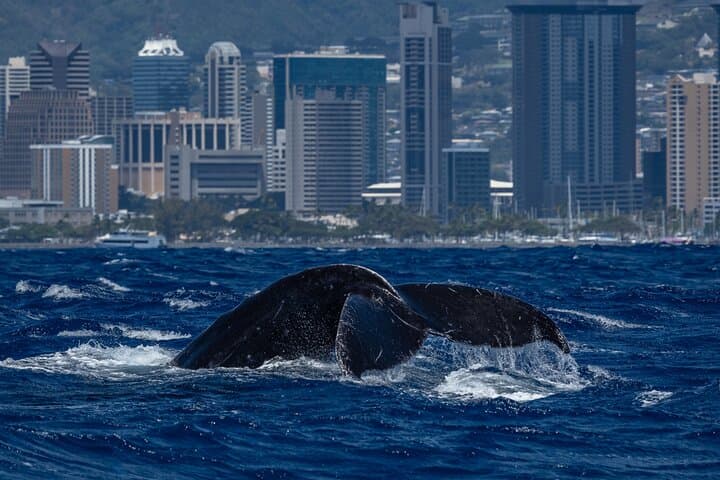
The catamaran flexes into the swell off Kewalo Basin, the city shrinking into a line of palms while the Koʻolau Range broods along the horizon. You feel the vessel’s stability more than its motion — a wide 55‑by‑30‑foot platform that lets you move to the rail without losing your balance as the crew scans the blue for a dark blow.
Verified experiences and guided adventures in the surrounding area.
Operated by Moana Sailing Co. · Honolulu, Hawaii
The catamaran flexes into the swell off Kewalo Basin, the city shrinking into a line of palms while the Koʻolau Range broods along the horizon. You feel the vessel’s stability more than its motion — a wide 55‑by‑30‑foot platform that lets you move to the rail without losing your balance as the crew scans the blue for a dark blow.
Humpback whales (kohola) arrive each winter, traveling from Alaskan feeding grounds to Hawaii’s warmer breeding and calving waters. Their visits shaped island culture long before modern tours: Hawaiian chants and stories record encounters with these animals, and the name kohola appears in traditional narratives.
Geologically the backdrop is dramatic — Diamond Head and Koko Crater are eroded volcanic tuff cones, while the steep Koolau Range is the remnant of an ancient shield volcano. That turned coastline creates predictable whale corridors where mothers and calves move through calmer bays.
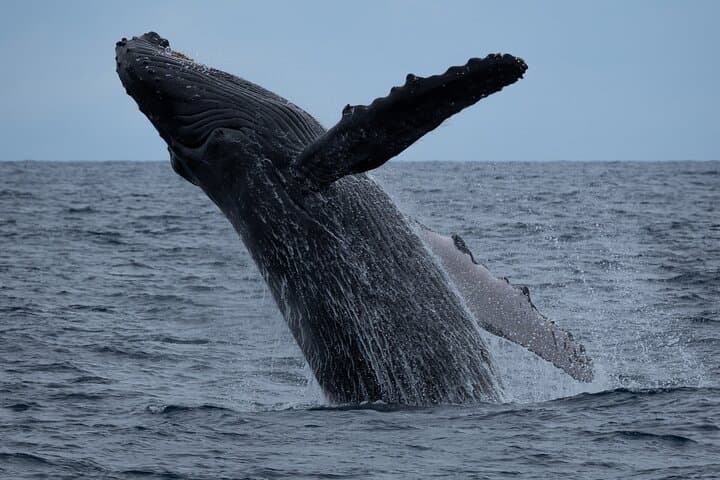
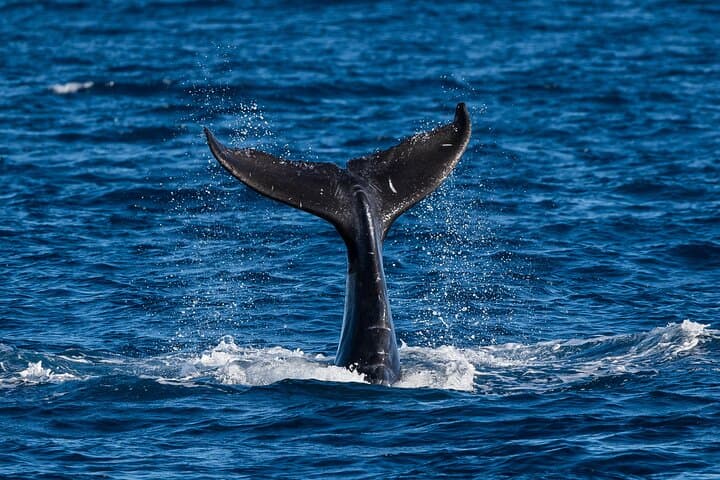
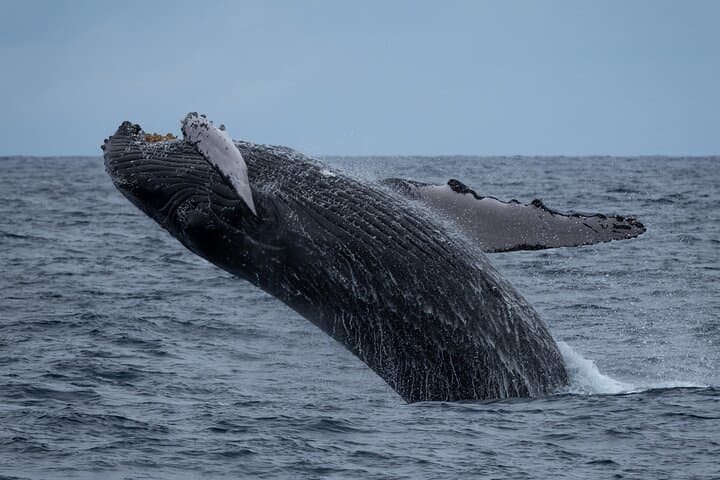
Onboard you’ll hear natural history and behavior context: breaches, tail slaps, and the slow social dances of humpbacks. Crews operate under NOAA guidelines to keep a respectful distance; whales set the tempo, not the boat.
Practicalities: cruises run December 1–April 1 from Kewalo Basin Harbor (slip D108). Plan 2–3 hours aboard; arrive 30 minutes early, boarding starts 15 minutes before departure. Wear layered sun protection, bring motion‑sickness meds if you’re sensitive, and keep a light jacket — ocean spray and wind can be cool. Cameras with zoom lenses and a pair of binoculars improve sightings. If no whales are seen during your trip, most operators offer a rebooking guarantee during the season, subject to availability.
easy.
2–3 hours.
Minimal fitness required — able to step onto a gangway and stand or walk on deck for stretches of time.
Season runs roughly December 1 through April 1, when Pacific humpback whales migrate to Hawaiian waters to breed and calve.
Many operators offer a sighting guarantee during season — if whales aren’t seen you may be offered a rebooking based on availability; check the specific operator policy when booking.
Yes — tours note infant seats available and are suitable for most ages, but parents should prepare for wind, spray, and the duration aboard.
Captains follow NOAA regulations and best‑practice guidelines to maintain a respectful and safe distance; the whales dictate proximity, not the vessel.
Humpback encounters are recorded in Hawaiian oral history and the word kohola refers specifically to humpbacks; modern protections grew alongside rising eco‑tourism in the late 20th century.
Operators follow NOAA approach rules and educate passengers about maintaining distance; use reef‑safe products and avoid littering to reduce impacts on marine life.
Moana Sailing Co. operates guided outdoor trips and adventures with an emphasis on safety, stewardship, and memorable experiences.
The catamaran flexes into the swell off Kewalo Basin, the city shrinking into a line of palms while the Koʻolau Range broods along the horizon. You feel the vessel’s stability more than its motion — a wide 55‑by‑30‑foot platform that lets you move to the rail without losing your balance as the crew scans the blue for a dark blow.
The catamaran flexes into the swell off Kewalo Basin, the city shrinking into a line of palms while the Koʻolau Range broods along the horizon. You feel the vessel’s stability more than its motion — a wide 55‑by‑30‑foot platform that lets you move to the rail without losing your balance as the crew scans the blue for a dark blow.
Humpback whales (kohola) arrive each winter, traveling from Alaskan feeding grounds to Hawaii’s warmer breeding and calving waters. Their visits shaped island culture long before modern tours: Hawaiian chants and stories record encounters with these animals, and the name kohola appears in traditional narratives.
Geologically the backdrop is dramatic — Diamond Head and Koko Crater are eroded volcanic tuff cones, while the steep Koolau Range is the remnant of an ancient shield volcano. That turned coastline creates predictable whale corridors where mothers and calves move through calmer bays.
Onboard you’ll hear natural history and behavior context: breaches, tail slaps, and the slow social dances of humpbacks. Crews operate under NOAA guidelines to keep a respectful distance; whales set the tempo, not the boat.
Practicalities: cruises run December 1–April 1 from Kewalo Basin Harbor (slip D108). Plan 2–3 hours aboard; arrive 30 minutes early, boarding starts 15 minutes before departure. Wear layered sun protection, bring motion‑sickness meds if you’re sensitive, and keep a light jacket — ocean spray and wind can be cool. Cameras with zoom lenses and a pair of binoculars improve sightings. If no whales are seen during your trip, most operators offer a rebooking guarantee during the season, subject to availability.