THE ADVENTURE COLLECTIVE® · Independent discovery and booking for outdoor travel

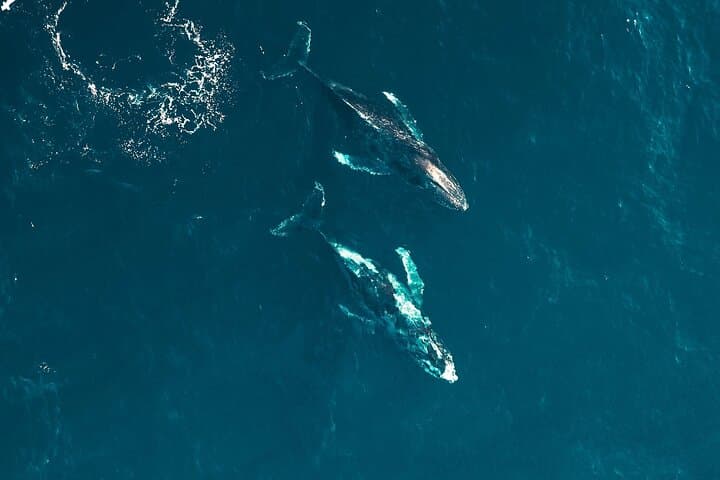
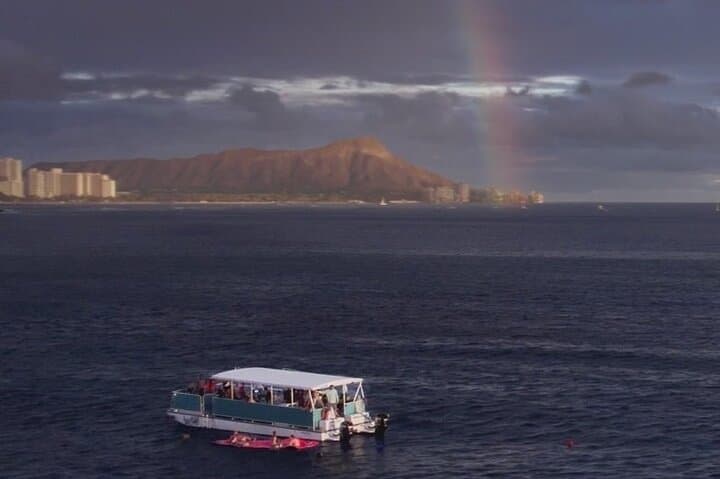
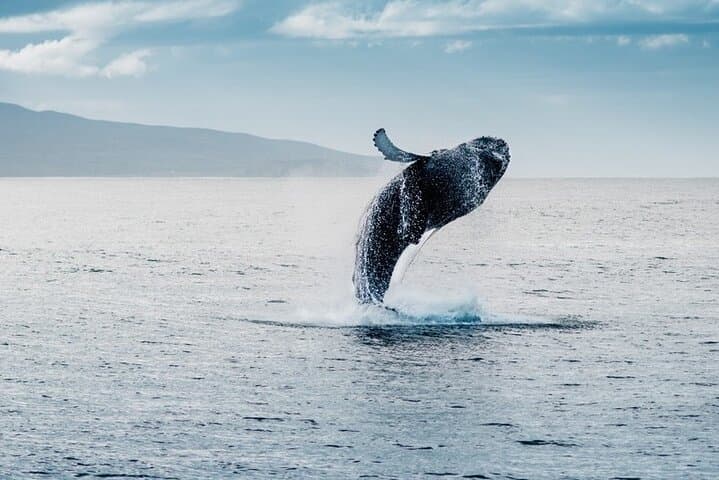
Head out from Ala Moana for a two-hour whale watch off Waikiki, where winter humpbacks surface against the backdrop of Diamond Head. Expect knowledgeable guides, onboard restrooms, and high winter sighting rates—bring layers and seasickness remedies.
Head out from Ala Moana for a two-hour whale watch off Waikiki, where winter humpbacks surface against the backdrop of Diamond Head. Expect knowledgeable guides, onboard restrooms, and high winter sighting rates—bring layers and seasickness remedies.
You step off Ala Moana Boulevard into trade wind air, the city’s edge falling away as the dock line hums and the ocean dares you to look farther. The boat eases offshore with Diamond Head framed on the horizon; in winter the surface is not quiet but watchful, and the boat’s bow meets swells that push the morning along.
Verified experiences and guided adventures in the surrounding area.
Operated by Honolulu Snorkel Company · Honolulu, Hawaii
You step off Ala Moana Boulevard into trade wind air, the city’s edge falling away as the dock line hums and the ocean dares you to look farther. The boat eases offshore with Diamond Head framed on the horizon; in winter the surface is not quiet but watchful, and the boat’s bow meets swells that push the morning along.
Humpback whales migrate from Alaskan feeding grounds to breed and calve in Hawaiian waters each winter; locals call them koholā and their presence has threaded into island storytelling for generations. Geology underpins the scene — Oʻahu’s volcanic backbone drops away into a shallow coral shelf, creating sheltered channels where whales sing and court. Culturally, the coastline you pass was once a canoe highway; today tour operators balance visits with respect and distance rules.
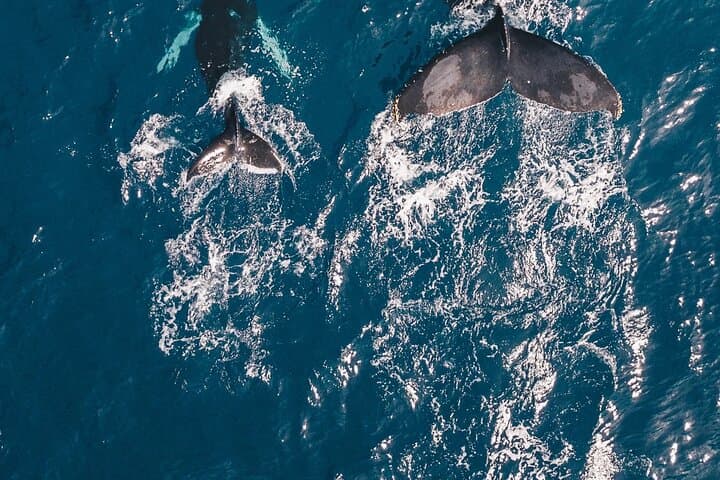
On the water you’ll notice spray and song: exhalations like punctuation, tails that slap the sea and send small boats tipping with excitement. Guides narrate behaviors and point out blows against the backdrop of Waikiki’s high-rise line, offering both natural history and practical safety.
Plan on morning departures for calmer seas and higher sighting rates, bring layered windproof clothing, and sit midship for the smoothest ride. Binoculars and a camera with a telephoto help, but patience is the best tool — whales move on their own timetable. Expect a 2-hour loop that’s accessible for most people; the experience is sensory and educational, where ocean currents and city life briefly share the same view.
easy.
2 hours.
Suitable for most fitness levels; requires boarding a small vessel and brief periods of standing.
Main humpback season runs roughly December through April, with peak sightings often January–March.
The tour is approximately 2 hours and departs from the Ala Moana/Waikiki pier area near Ala Moana Boulevard (piers E and F).
Yes—most boats have onboard restrooms and this particular tour lists a complimentary Mai Tai and on-board restroom amenities.
Yes—infants and small children are allowed (infants required to sit on laps) and the tour is listed as physically easy, but strollers may be difficult to stow once onboard.
Whale presence in Hawaiian waters is long-acknowledged in oral tradition; modern protections grew after hunting ceased and populations began recovering in the late 20th century.
Operators follow marine mammal approach rules and seasonal guidelines to minimize disturbance; choose tours that emphasize education and distance to reduce stress on animals.
Honolulu Snorkel Company operates guided outdoor trips and adventures with an emphasis on safety, stewardship, and memorable experiences.
You step off Ala Moana Boulevard into trade wind air, the city’s edge falling away as the dock line hums and the ocean dares you to look farther. The boat eases offshore with Diamond Head framed on the horizon; in winter the surface is not quiet but watchful, and the boat’s bow meets swells that push the morning along.
You step off Ala Moana Boulevard into trade wind air, the city’s edge falling away as the dock line hums and the ocean dares you to look farther. The boat eases offshore with Diamond Head framed on the horizon; in winter the surface is not quiet but watchful, and the boat’s bow meets swells that push the morning along.
Humpback whales migrate from Alaskan feeding grounds to breed and calve in Hawaiian waters each winter; locals call them koholā and their presence has threaded into island storytelling for generations. Geology underpins the scene — Oʻahu’s volcanic backbone drops away into a shallow coral shelf, creating sheltered channels where whales sing and court. Culturally, the coastline you pass was once a canoe highway; today tour operators balance visits with respect and distance rules.
On the water you’ll notice spray and song: exhalations like punctuation, tails that slap the sea and send small boats tipping with excitement. Guides narrate behaviors and point out blows against the backdrop of Waikiki’s high-rise line, offering both natural history and practical safety.
Plan on morning departures for calmer seas and higher sighting rates, bring layered windproof clothing, and sit midship for the smoothest ride. Binoculars and a camera with a telephoto help, but patience is the best tool — whales move on their own timetable. Expect a 2-hour loop that’s accessible for most people; the experience is sensory and educational, where ocean currents and city life briefly share the same view.