THE ADVENTURE COLLECTIVE® · Independent discovery and booking for outdoor travel

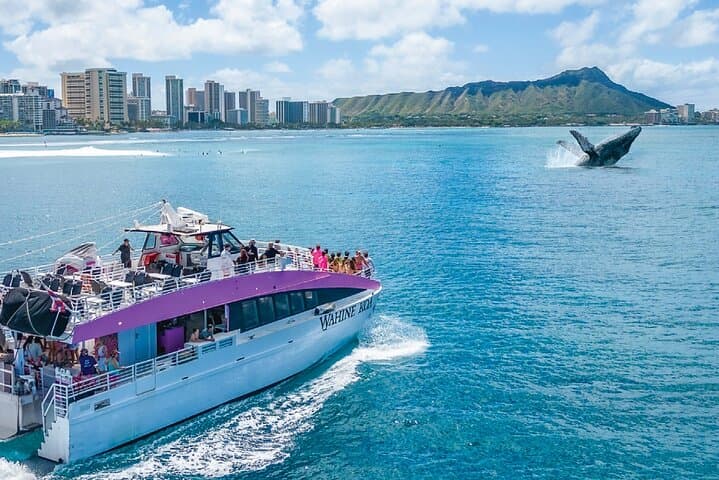
Climb aboard a two-hour catamaran from Waikiki to search for migrating humpback whales that visit Hawaiian waters each winter. Expect focused searching, safety-first briefings, and a high chance of sightings between December and April.
Climb aboard a two-hour catamaran from Waikiki to search for migrating humpback whales that visit Hawaiian waters each winter. Expect focused searching, safety-first briefings, and a high chance of sightings between December and April.
The day begins with a low, steady thrum as the catamaran slips past the breakwater and into a wide Pacific that dares you to look further. Salt air cuts sharp; the city skyscrapers fall away and the ocean opens. Within minutes the crew scans the horizon, eyes keyed for spouts and the telltale arch of a humpback's back.
Verified experiences and guided adventures in the surrounding area.
Operated by Pink Sails Waikiki · Honolulu, Hawaii
The day begins with a low, steady thrum as the catamaran slips past the breakwater and into a wide Pacific that dares you to look further. Salt air cuts sharp; the city skyscrapers fall away and the ocean opens. Within minutes the crew scans the horizon, eyes keyed for spouts and the telltale arch of a humpback's back.
Humpback whales travel thousands of miles each winter to calve and court in Hawaii's warm coastal waters. Historically revered in Hawaiian culture as koholā, whales appear in chants and navigational lore. Geologically, these animals favor the sheltered bays and channels formed by volcanic islands—areas where currents slow and shallow seafloor contours create feeding and resting pockets.
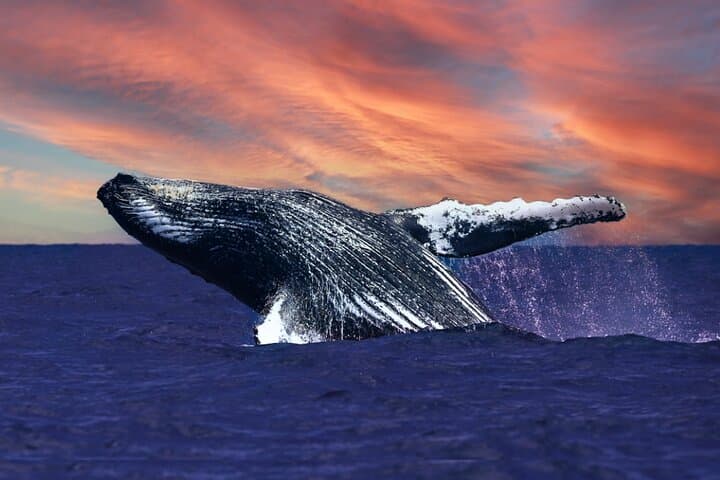
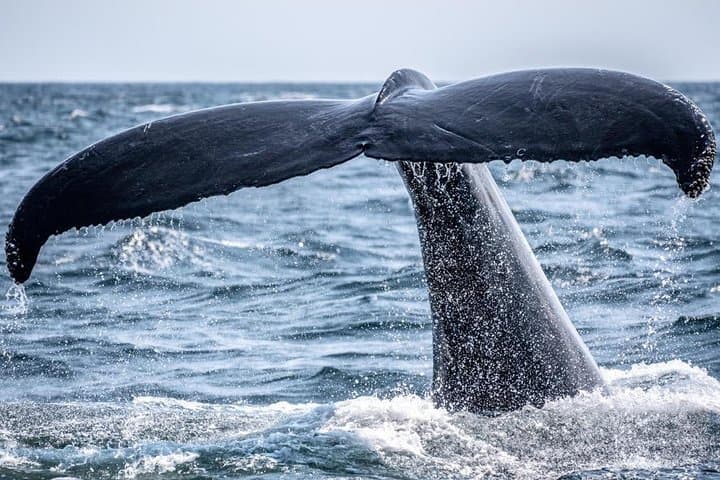
On this two-hour outing from Waikiki, expect focused searching rather than a slow parade of sightings: look for rolling flukes, breach arcs, and mother-calf pairs from December through April, peak season around January–March. The operator follows Coast Guard rules and requires full names at check-in for safety compliance; arrive early to complete waivers and secure a good viewing position.
Practical notes: bring sun protection and a wind layer—ocean spray and trade winds make temperatures cooler than onshore. Binoculars and a camera with a zoom help, but keep movements slow; crews will brief boat etiquette to minimize disturbance. If weather or low encounters cancel the outing, a complimentary re-ride is offered. For a short, high-impact marine wildlife experience off Honolulu, this surf-swayed journey balances spectacle with sensible logistics.
easy.
2 hours.
Suitable for most fitness levels; ability to board a boat and stand for short periods recommended
Whale season runs roughly December through April, with peak activity commonly between January and March when mothers and calves are most visible.
Boarding is at Holomoana Street across from the Prince Waikiki Hotel (1 Holomoana St); arrive at least 45 minutes before departure.
The operator offers a complimentary re-ride if whales are not spotted on your booked trip, subject to availability and weather constraints.
Infants are allowed but must sit on an adult’s lap; the outing is described as physically easy but parents should consider motion-sickness and exposure to sun and wind.
Koholā (humpback whale) are part of Hawaiian oral history and are associated with ancestral navigation and seasonal timing of marine resources.
Respect distance guidelines and follow crew instructions—support operators that prioritize non-intrusive viewing to reduce stress on mothers and calves.
Pink Sails Waikiki operates guided outdoor trips and adventures with an emphasis on safety, stewardship, and memorable experiences.
The day begins with a low, steady thrum as the catamaran slips past the breakwater and into a wide Pacific that dares you to look further. Salt air cuts sharp; the city skyscrapers fall away and the ocean opens. Within minutes the crew scans the horizon, eyes keyed for spouts and the telltale arch of a humpback's back.
The day begins with a low, steady thrum as the catamaran slips past the breakwater and into a wide Pacific that dares you to look further. Salt air cuts sharp; the city skyscrapers fall away and the ocean opens. Within minutes the crew scans the horizon, eyes keyed for spouts and the telltale arch of a humpback's back.
Humpback whales travel thousands of miles each winter to calve and court in Hawaii's warm coastal waters. Historically revered in Hawaiian culture as koholā, whales appear in chants and navigational lore. Geologically, these animals favor the sheltered bays and channels formed by volcanic islands—areas where currents slow and shallow seafloor contours create feeding and resting pockets.
On this two-hour outing from Waikiki, expect focused searching rather than a slow parade of sightings: look for rolling flukes, breach arcs, and mother-calf pairs from December through April, peak season around January–March. The operator follows Coast Guard rules and requires full names at check-in for safety compliance; arrive early to complete waivers and secure a good viewing position.
Practical notes: bring sun protection and a wind layer—ocean spray and trade winds make temperatures cooler than onshore. Binoculars and a camera with a zoom help, but keep movements slow; crews will brief boat etiquette to minimize disturbance. If weather or low encounters cancel the outing, a complimentary re-ride is offered. For a short, high-impact marine wildlife experience off Honolulu, this surf-swayed journey balances spectacle with sensible logistics.