THE ADVENTURE COLLECTIVE® · Independent discovery and booking for outdoor travel

Board a stable 50-foot vessel from Kewalo Basin for a two-hour, guided whale-watch along Waikiki’s south shore. Learn cultural stories and marine science while searching for migrating humpbacks — sightings guaranteed during peak season.
Board a stable 50-foot vessel from Kewalo Basin for a two-hour, guided whale-watch along Waikiki’s south shore. Learn cultural stories and marine science while searching for migrating humpbacks — sightings guaranteed during peak season.
The boat eases out of Kewalo Basin, the harbor releasing a bouquet of diesel and salt as Waikiki's skyline slides aft. From the open bow the Pacific stretches flat and blue toward Diamond Head, and every head on deck leans into the ocean for the first telltale blow. The captain trims power; the crew points and speaks softly about the next fluke. The water seems to breathe — currents urging the boat forward, whales answering with arcing backs and tail slaps.
Verified experiences and guided adventures in the surrounding area.
Operated by Hawaii Ocean Charters · Honolulu, Hawaii
The boat eases out of Kewalo Basin, the harbor releasing a bouquet of diesel and salt as Waikiki's skyline slides aft. From the open bow the Pacific stretches flat and blue toward Diamond Head, and every head on deck leans into the ocean for the first telltale blow. The captain trims power; the crew points and speaks softly about the next fluke. The water seems to breathe — currents urging the boat forward, whales answering with arcing backs and tail slaps.
Humpback whales migrate to Hawaiian waters each winter to breed and calve, a behavior noted by Native Hawaiians long before modern science. Oahu itself is a remnant of shield volcanoes and tuff cones; Diamond Head’s steep rim is a visible marker of explosive marine eruptions. Onboard, guides weave natural history with cultural stories about Hawaiian relationships to the ocean, turning each sighting into context rather than spectacle.
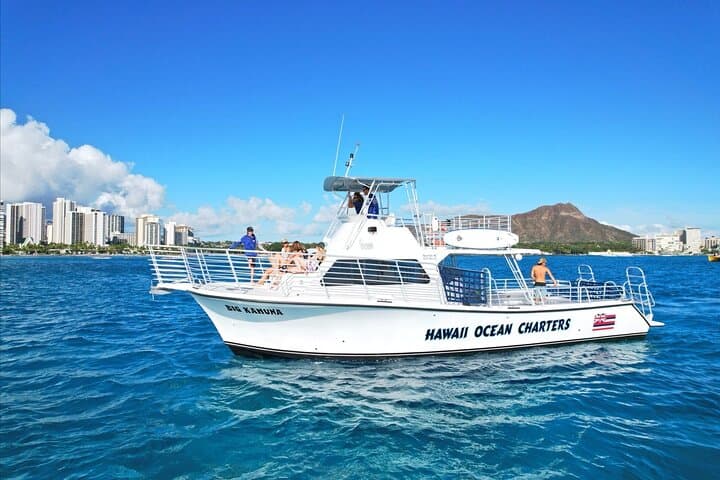
Expect a comfortable 50-foot powerboat with an elevated viewing deck, restroom onboard, bottled water and soft drinks provided. Tours run roughly two hours from Kewalo Basin Pier A/C and are busiest between December and April when whales peak. Practical prep makes the trip better: layer for wind and spray, bring binoculars and sun protection, and consider motion-sickness medication if you're prone. Photography is rewarding but fleeting — keep your hands ready and your eyes scanning.
This is a family-friendly, interpretive cruise: active wildlife, variable weather, and a generous sighting guarantee mean a mix of learning and lookout time. Check-in is 15 minutes before departure; wear non-slip shoes and arrive ready to trade city noise for the open sea’s cadence.
easy.
2 hours.
Suitable for most fitness levels; requires ability to step on/off a vessel and stand for viewing periods.
Peak season is December through April when North Pacific humpbacks migrate to Hawaii; sightings are most likely during these months.
Yes — the tour is family-friendly and rated easy, but people with spinal, heart, or pregnancy concerns should avoid it per operator guidelines.
The operator offers a rebooking guarantee if whales are not sighted; confirm specifics at booking and keep your original receipt.
Yes — the vessel has an onboard restroom and provides bottled water, soft drinks, and local juices.
Native Hawaiian chants and oral histories reference whales and long recognized the islands as important seasonal habitats; the modern whale-watching tradition blends scientific observation with cultural storytelling.
Hawaii protects humpbacks under federal and state rules; tours emphasize distance and non-intrusive viewing to reduce stress and maintain marine health.
Hawaii Ocean Charters operates guided outdoor trips and adventures with an emphasis on safety, stewardship, and memorable experiences.
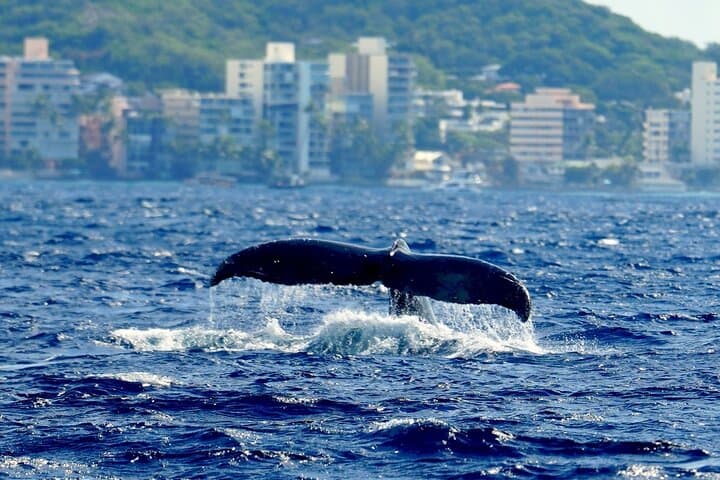
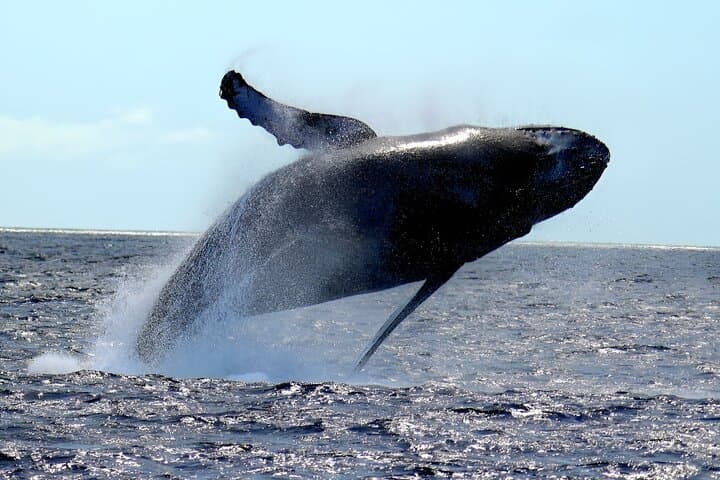
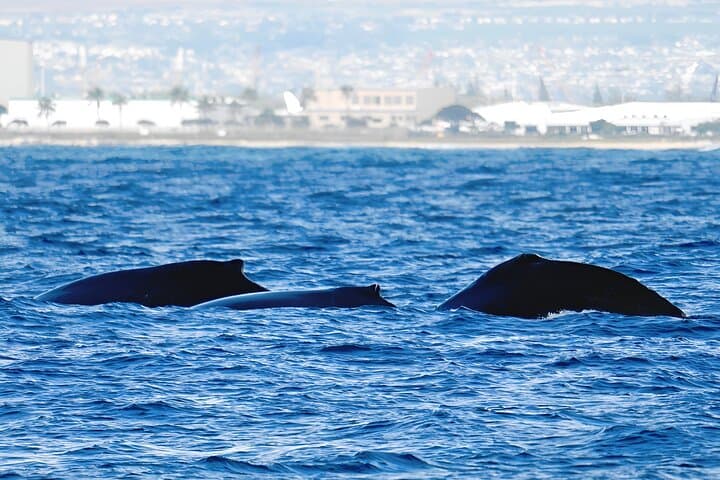
The boat eases out of Kewalo Basin, the harbor releasing a bouquet of diesel and salt as Waikiki's skyline slides aft. From the open bow the Pacific stretches flat and blue toward Diamond Head, and every head on deck leans into the ocean for the first telltale blow. The captain trims power; the crew points and speaks softly about the next fluke. The water seems to breathe — currents urging the boat forward, whales answering with arcing backs and tail slaps.
The boat eases out of Kewalo Basin, the harbor releasing a bouquet of diesel and salt as Waikiki's skyline slides aft. From the open bow the Pacific stretches flat and blue toward Diamond Head, and every head on deck leans into the ocean for the first telltale blow. The captain trims power; the crew points and speaks softly about the next fluke. The water seems to breathe — currents urging the boat forward, whales answering with arcing backs and tail slaps.
Humpback whales migrate to Hawaiian waters each winter to breed and calve, a behavior noted by Native Hawaiians long before modern science. Oahu itself is a remnant of shield volcanoes and tuff cones; Diamond Head’s steep rim is a visible marker of explosive marine eruptions. Onboard, guides weave natural history with cultural stories about Hawaiian relationships to the ocean, turning each sighting into context rather than spectacle.
Expect a comfortable 50-foot powerboat with an elevated viewing deck, restroom onboard, bottled water and soft drinks provided. Tours run roughly two hours from Kewalo Basin Pier A/C and are busiest between December and April when whales peak. Practical prep makes the trip better: layer for wind and spray, bring binoculars and sun protection, and consider motion-sickness medication if you're prone. Photography is rewarding but fleeting — keep your hands ready and your eyes scanning.
This is a family-friendly, interpretive cruise: active wildlife, variable weather, and a generous sighting guarantee mean a mix of learning and lookout time. Check-in is 15 minutes before departure; wear non-slip shoes and arrive ready to trade city noise for the open sea’s cadence.