THE ADVENTURE COLLECTIVE® · Independent discovery and booking for outdoor travel

Learn to surf Waikiki with off-duty firefighters who double as expert watermen. This 75-minute guided lesson focuses on safety, basic technique and catching your first wave in Waikiki’s gentle breaks.
Learn to surf Waikiki with off-duty firefighters who double as expert watermen. This 75-minute guided lesson focuses on safety, basic technique and catching your first wave in Waikiki’s gentle breaks.
The sun lifts off Diamond Head and paints Waikiki Beach in a bright, briny light. Firefighters—off duty and practiced as watermen—walk you through warm sand to the shoreline, surfboards tucked underarm like tools of their trade. The ocean here rolls in small, predictable sets that dare you to try your first ride.
Verified experiences and guided adventures in the surrounding area.
Operated by Surfing with Firefighters Surf & Rescue · Honolulu, Hawaii
The sun lifts off Diamond Head and paints Waikiki Beach in a bright, briny light. Firefighters—off duty and practiced as watermen—walk you through warm sand to the shoreline, surfboards tucked underarm like tools of their trade. The ocean here rolls in small, predictable sets that dare you to try your first ride.
Waikiki's surf culture traces back to Duke Kahanamoku, whose open-arms approach made surfing a public sport. The bay's shallow reef and long, spilling breaks are the product of volcanic islands and coral growth, creating forgiving waves ideal for learners. Local etiquette matters: share the lineup, don’t drop in, and listen when instructors call directions.
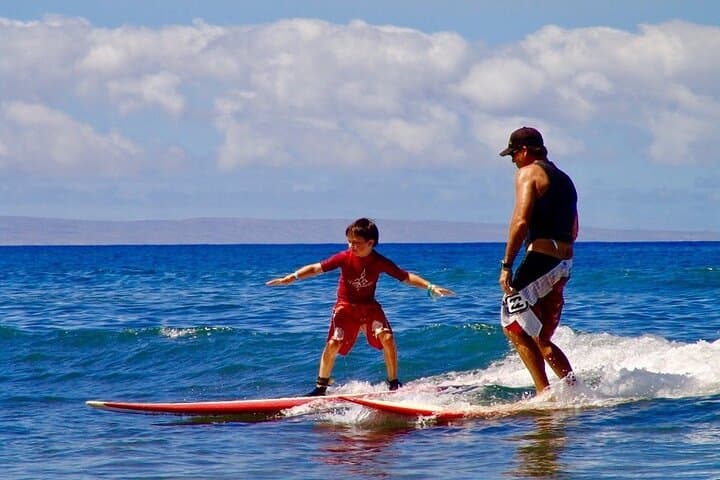
A 75-minute lesson with a firefighter blends technique and safety—paddle mechanics, pop-up practice on sand, then guided runs in waist-to-chest-high waves. Expect hands-on coaching, real-time adjustments, and pauses to float and take in the shoreline view. Water temperature stays inviting most of the year; currents are present but manageable near the protected breaks.
Practical guidance: arrive 20–30 minutes early, hydrate, and use reef-safe sunscreen. Plan for sun exposure and a short walk from the main pedestrian strip; public transit and taxis drop close but don’t rely on included transport. If you're new to surfing, you'll likely stand on your first wave with steady coaching. Bring a positive attitude and follow the firefighter-instructors’ signals—their local knowledge of tides and currents is the key to a safe, confidence-building session.
easy.
1–1.5 hours.
Low to moderate—sufficient upper-body strength for paddling and basic balance; suitable for most active beginners.
Yes—lessons typically supply beginner surfboards and instructors will fit and set up boards for you.
Absolutely—this 75-minute private lesson is designed for first-timers, focusing on paddling, pop-ups, and safety in gentle waves.
No—transport is not included; Waikiki is walkable and accessible by public transit, but plan your own arrival and pickup.
Instructors or the operator may cancel for unsafe conditions; refunds or rescheduling follow the provider’s policy, which allows full refund with timely cancellation or weather-related cancellations.
Waikiki’s modern surf culture grew around figures like Duke Kahanamoku, who popularized surfing as both sport and cultural practice in the early 20th century.
Use reef-safe sunscreen, avoid standing on coral, and follow local guidance to minimize impact on fragile reef ecosystems.
Surfing with Firefighters Surf & Rescue operates guided outdoor trips and adventures with an emphasis on safety, stewardship, and memorable experiences.
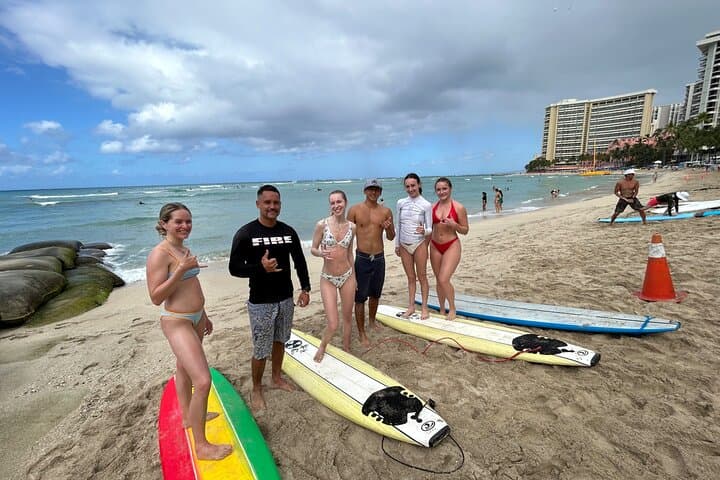
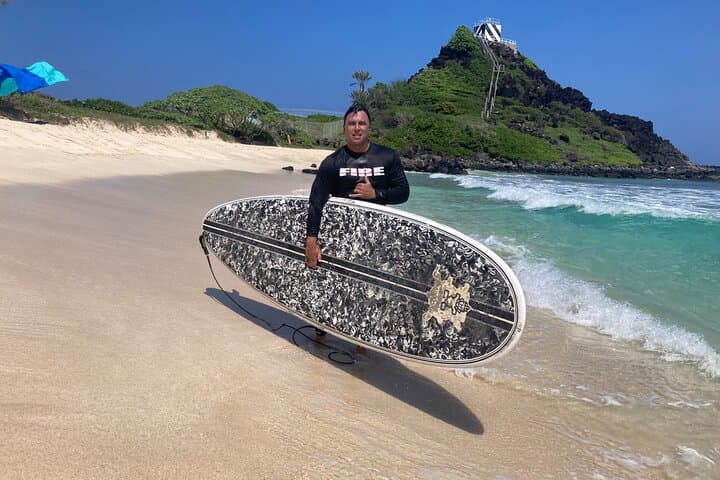
The sun lifts off Diamond Head and paints Waikiki Beach in a bright, briny light. Firefighters—off duty and practiced as watermen—walk you through warm sand to the shoreline, surfboards tucked underarm like tools of their trade. The ocean here rolls in small, predictable sets that dare you to try your first ride.
The sun lifts off Diamond Head and paints Waikiki Beach in a bright, briny light. Firefighters—off duty and practiced as watermen—walk you through warm sand to the shoreline, surfboards tucked underarm like tools of their trade. The ocean here rolls in small, predictable sets that dare you to try your first ride.
Waikiki's surf culture traces back to Duke Kahanamoku, whose open-arms approach made surfing a public sport. The bay's shallow reef and long, spilling breaks are the product of volcanic islands and coral growth, creating forgiving waves ideal for learners. Local etiquette matters: share the lineup, don’t drop in, and listen when instructors call directions.
A 75-minute lesson with a firefighter blends technique and safety—paddle mechanics, pop-up practice on sand, then guided runs in waist-to-chest-high waves. Expect hands-on coaching, real-time adjustments, and pauses to float and take in the shoreline view. Water temperature stays inviting most of the year; currents are present but manageable near the protected breaks.
Practical guidance: arrive 20–30 minutes early, hydrate, and use reef-safe sunscreen. Plan for sun exposure and a short walk from the main pedestrian strip; public transit and taxis drop close but don’t rely on included transport. If you're new to surfing, you'll likely stand on your first wave with steady coaching. Bring a positive attitude and follow the firefighter-instructors’ signals—their local knowledge of tides and currents is the key to a safe, confidence-building session.