THE ADVENTURE COLLECTIVE® · Independent discovery and booking for outdoor travel

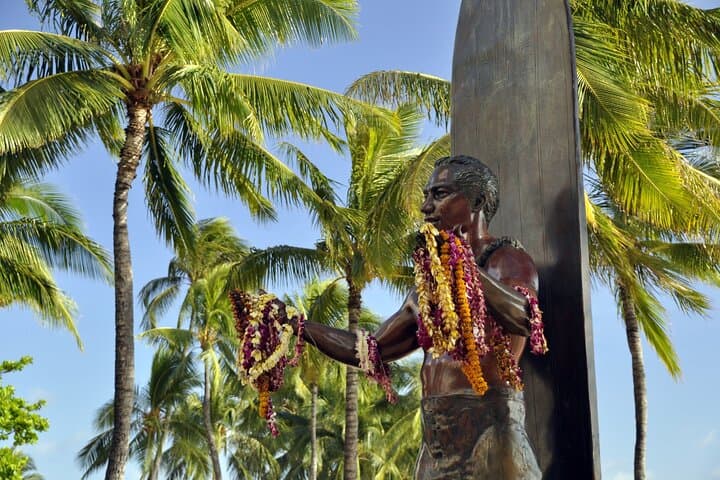
Walk Waikiki at your own pace with an audio guide that maps surf history, royal sites, and coastal geology. Download once, use for up to a year, and explore stories tied to Duke Kahanamoku and Waikiki’s shoreline.
Walk Waikiki at your own pace with an audio guide that maps surf history, royal sites, and coastal geology. Download once, use for up to a year, and explore stories tied to Duke Kahanamoku and Waikiki’s shoreline.
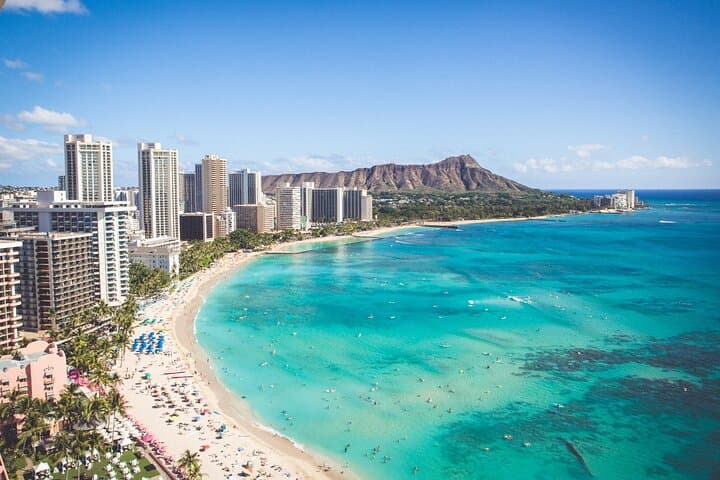
Stand on the bright edge of Waikiki and the ocean speaks first: waves dare you to watch, palms lean like an audience, and the boardwalk hums with surfboard wax, runners, and island life.
Verified experiences and guided adventures in the surrounding area.
Operated by History with Action · Honolulu, Hawaii
Stand on the bright edge of Waikiki and the ocean speaks first: waves dare you to watch, palms lean like an audience, and the boardwalk hums with surfboard wax, runners, and island life.
This self-guided audio tour threads along Waikiki’s shoreline and streets, tracing layers of history from early Polynesian fishponds and ali‘i (royal) retreats to the 20th-century rise of beach culture. The narration follows Duke Kahanamoku — Olympic swimmer, waterman, and a central figure in spreading surfing worldwide — and stops at landmarks such as the Moana Hotel, Kuhio Beach, the Waikiki Wall, and lesser-known coastal features where reef, sand, and sea meet. Geology is simple and visible: coral reef flats give way to sand bars and basalt outcroppings carved by tides over millennia.
Culture here is active and public: hula, lei makers, and surf contests occur within blocks of each other, and public parks host both quiet memorials and busy picnic circles. The tour app times stories to location so you can pause for photos, swim breaks, or an excursion to Ala Moana.
Practical guidance: download the Action tour app on strong Wi‑Fi before you arrive and bring earbuds. Plan for 1–3 hours depending on how many stops you take — the full route’s long and best done in sections if you prefer a relaxed pace. Wear supportive shoes, reef-safe sunscreen, and carry water. Respect marine life and posted signs — Hawaiian monk seals and honu (green sea turtles) rest on local beaches and must not be disturbed.
easy.
1–3 hours.
Suitable for most fitness levels; be prepared for continuous walking on paved paths and occasional sandy stretches if you detour to beaches.
After booking, download the Action Tour Guide app and the tour content on Wi‑Fi. Open the tour at the designated starting point and the first story will play automatically when you reach the geofenced location.
The password provided can be used on the same number of devices as travelers booked; couples can share one audio stream with split headphones if preferred.
Most of Waikiki’s main sidewalks and parks are paved and accessible, but some beach access points and historic features may have steps or uneven surfaces — plan your route accordingly.
Hawaii has public alert systems; check local advisories before heading to the shoreline and follow posted evacuation routes in a tsunami warning.
Waikiki began as an important coastal resource for native Hawaiians, with royal fishponds and ali‘i residences; in the 20th century it evolved into a global surfing and tourism center largely due to figures like Duke Kahanamoku.
Use reef‑safe sunscreen, keep distance from resting wildlife, and avoid trampling dune vegetation; local conservation groups monitor beaches and conduct periodic cleanups.
History with Action operates guided outdoor trips and adventures with an emphasis on safety, stewardship, and memorable experiences.
Stand on the bright edge of Waikiki and the ocean speaks first: waves dare you to watch, palms lean like an audience, and the boardwalk hums with surfboard wax, runners, and island life.
Stand on the bright edge of Waikiki and the ocean speaks first: waves dare you to watch, palms lean like an audience, and the boardwalk hums with surfboard wax, runners, and island life.
This self-guided audio tour threads along Waikiki’s shoreline and streets, tracing layers of history from early Polynesian fishponds and ali‘i (royal) retreats to the 20th-century rise of beach culture. The narration follows Duke Kahanamoku — Olympic swimmer, waterman, and a central figure in spreading surfing worldwide — and stops at landmarks such as the Moana Hotel, Kuhio Beach, the Waikiki Wall, and lesser-known coastal features where reef, sand, and sea meet. Geology is simple and visible: coral reef flats give way to sand bars and basalt outcroppings carved by tides over millennia.
Culture here is active and public: hula, lei makers, and surf contests occur within blocks of each other, and public parks host both quiet memorials and busy picnic circles. The tour app times stories to location so you can pause for photos, swim breaks, or an excursion to Ala Moana.
Practical guidance: download the Action tour app on strong Wi‑Fi before you arrive and bring earbuds. Plan for 1–3 hours depending on how many stops you take — the full route’s long and best done in sections if you prefer a relaxed pace. Wear supportive shoes, reef-safe sunscreen, and carry water. Respect marine life and posted signs — Hawaiian monk seals and honu (green sea turtles) rest on local beaches and must not be disturbed.