THE ADVENTURE COLLECTIVE® · Independent discovery and booking for outdoor travel

Learn to surf where modern surfing was popularized. These Waikiki beginner lessons pair gentle, consistent waves with native Hawaiian instructors who teach technique, ocean safety, and surf culture.
Learn to surf where modern surfing was popularized. These Waikiki beginner lessons pair gentle, consistent waves with native Hawaiian instructors who teach technique, ocean safety, and surf culture.
The first paddle out at Waikiki feels like stepping into a live postcard: warm water, a steady chop rolling toward shore, and the Duke Kahanamoku statue watching over the sand. Instructors gather at that statue to run a short land lesson—pop-up technique, board positioning, surf etiquette—before escorting students into the gentle, rolling waves that made Waikiki famous.
Verified experiences and guided adventures in the surrounding area.
Operated by Hawaiian Boy Surf School · Honolulu, Hawaii
The first paddle out at Waikiki feels like stepping into a live postcard: warm water, a steady chop rolling toward shore, and the Duke Kahanamoku statue watching over the sand. Instructors gather at that statue to run a short land lesson—pop-up technique, board positioning, surf etiquette—before escorting students into the gentle, rolling waves that made Waikiki famous.
Waikiki is the birthplace of modern recreational surfing; its long, forgiving shorebreaks were refined into the sport by Hawaiian watermen and popularized by Duke Kahanamoku in the early 20th century. Geologically the shoreline sits on ancient coral and volcanic substrate, which produces the consistent, mellow breaks ideal for beginners. Culturally, lessons here are as much about respect—of ocean, reef, and other surfers—as they are about technique: local instructors will introduce basic Hawaiian surf etiquette and a few historical notes on the area.
Expect waist-to-chest-high waves, warm year-round water, and instructors in the water who paddle alongside beginners. Most students catch their first wave in the session; the water time varies with conditions but is typically one to two hours. Plan for sun, salt, and sand—reef-safe sunscreen, a snug board leash, and a comfortable rash guard matter more than fancy gear.
Practical tips: arrive 20–30 minutes early to check in at the statue, bring a change of clothes and drinking water, and disclose your weight and any health limits ahead of time. If swell or wind picks up, instructors will choose the safest break or postpone. For a single-hour private lesson grounded in local culture and safety, Waikiki offers an accessible, confidence-building introduction to surfing.
easy.
1–2 hours.
Basic swimming comfort and upper-body endurance for paddling; suitable for most active adults and teens.
No. Lessons are tailored for beginners and start with a land session to practice pop-ups before entering waist-to-chest-high waves.
Age and weight limits vary; the operator requests age and weight at booking and marks the activity suitable for most fitness levels but not recommended for pregnancy or serious heart conditions.
Instructors monitor conditions and will move to a safer break or reschedule if swell or wind makes the lesson unsafe; cancellation rules generally require 24-hour notice for a refund.
Yes—surfboards and usually leashes are provided; bring your own sunscreen, towel, and swimwear.
Waikiki’s waves were central to Hawaiian watercraft culture; Duke Kahanamoku helped popularize surfing globally and his statue marks the traditional meeting spot for lessons.
Use reef-safe sunscreen, avoid standing on coral, and follow local guidelines to reduce impact on fragile reefs and marine life.
Hawaiian Boy Surf School operates guided outdoor trips and adventures with an emphasis on safety, stewardship, and memorable experiences.
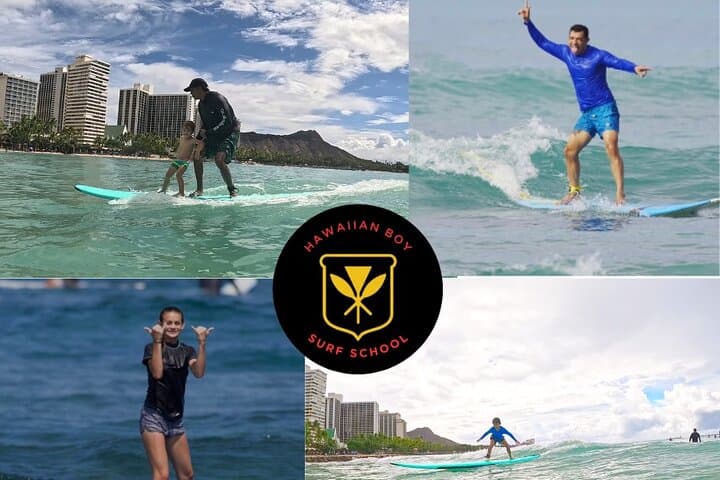
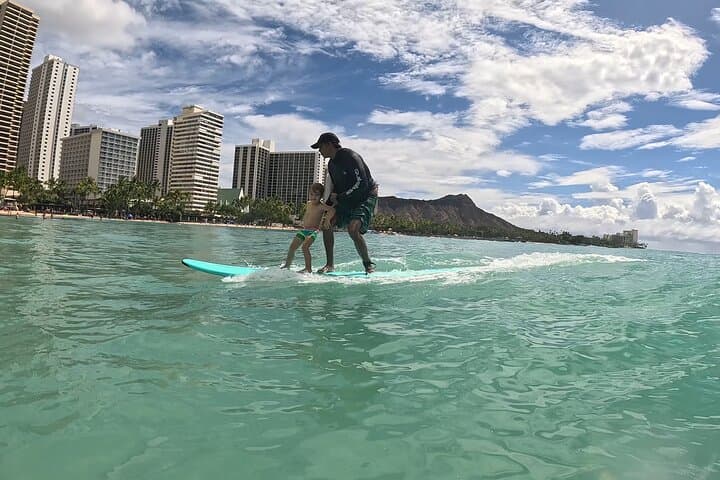
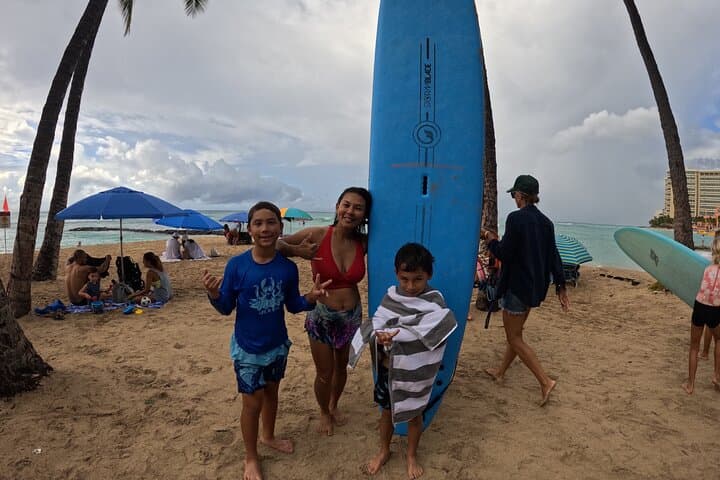
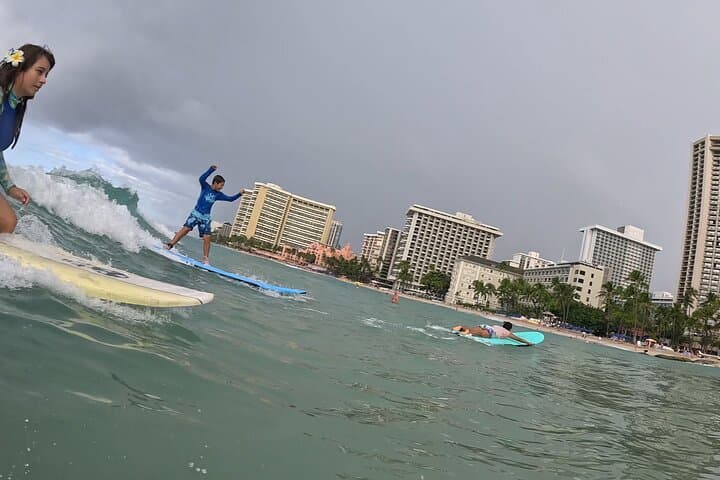
The first paddle out at Waikiki feels like stepping into a live postcard: warm water, a steady chop rolling toward shore, and the Duke Kahanamoku statue watching over the sand. Instructors gather at that statue to run a short land lesson—pop-up technique, board positioning, surf etiquette—before escorting students into the gentle, rolling waves that made Waikiki famous.
The first paddle out at Waikiki feels like stepping into a live postcard: warm water, a steady chop rolling toward shore, and the Duke Kahanamoku statue watching over the sand. Instructors gather at that statue to run a short land lesson—pop-up technique, board positioning, surf etiquette—before escorting students into the gentle, rolling waves that made Waikiki famous.
Waikiki is the birthplace of modern recreational surfing; its long, forgiving shorebreaks were refined into the sport by Hawaiian watermen and popularized by Duke Kahanamoku in the early 20th century. Geologically the shoreline sits on ancient coral and volcanic substrate, which produces the consistent, mellow breaks ideal for beginners. Culturally, lessons here are as much about respect—of ocean, reef, and other surfers—as they are about technique: local instructors will introduce basic Hawaiian surf etiquette and a few historical notes on the area.
Expect waist-to-chest-high waves, warm year-round water, and instructors in the water who paddle alongside beginners. Most students catch their first wave in the session; the water time varies with conditions but is typically one to two hours. Plan for sun, salt, and sand—reef-safe sunscreen, a snug board leash, and a comfortable rash guard matter more than fancy gear.
Practical tips: arrive 20–30 minutes early to check in at the statue, bring a change of clothes and drinking water, and disclose your weight and any health limits ahead of time. If swell or wind picks up, instructors will choose the safest break or postpone. For a single-hour private lesson grounded in local culture and safety, Waikiki offers an accessible, confidence-building introduction to surfing.