THE ADVENTURE COLLECTIVE® · Independent discovery and booking for outdoor travel

Spend a sunlit day on Waiheke Island sampling award-winning wines, exploring Onetangi’s beaches and dining beachfront at Three Seven Two. This guided half-day pairs vineyard cellar-door tastings with a gourmet set lunch and coastal views.
Spend a sunlit day on Waiheke Island sampling award-winning wines, exploring Onetangi’s beaches and dining beachfront at Three Seven Two. This guided half-day pairs vineyard cellar-door tastings with a gourmet set lunch and coastal views.
A morning ferry thumps into Matiatia Bay and the air changes—sea-salt replaces city grime, scrubby pohutukawa and vineyard rows take over the skyline, and the island seems to tilt slightly toward leisure. By 10:40 a.m. the tour guide has the group assembled at Pier 2, and in short order a minibus eases onto narrow lanes, the driver narrating geology and Māori place names as vineyards come into view.
Verified experiences and guided adventures in the surrounding area.
Operated by Waiheke Wine Tours Ltd · Oneroa, Auckland
A morning ferry thumps into Matiatia Bay and the air changes—sea-salt replaces city grime, scrubby pohutukawa and vineyard rows take over the skyline, and the island seems to tilt slightly toward leisure. By 10:40 a.m. the tour guide has the group assembled at Pier 2, and in short order a minibus eases onto narrow lanes, the driver narrating geology and Māori place names as vineyards come into view.
Waiheke’s wine story is young but loud: vineyards carved from sandstone soils and clay terraces since the 1980s that prosper in a maritime microclimate. The Hauraki Gulf acts like a thermostat—cool sea breezes temper summer heat and push ripening back into a long, flavor-building season. Māori history threads the island too; pā sites and traditional fishing grounds are visible from many vineyard perches, a reminder that this landscape was home long before vines arrived.
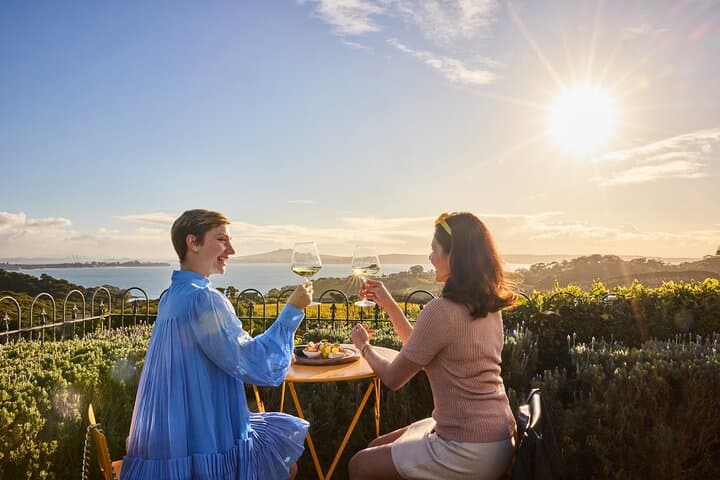
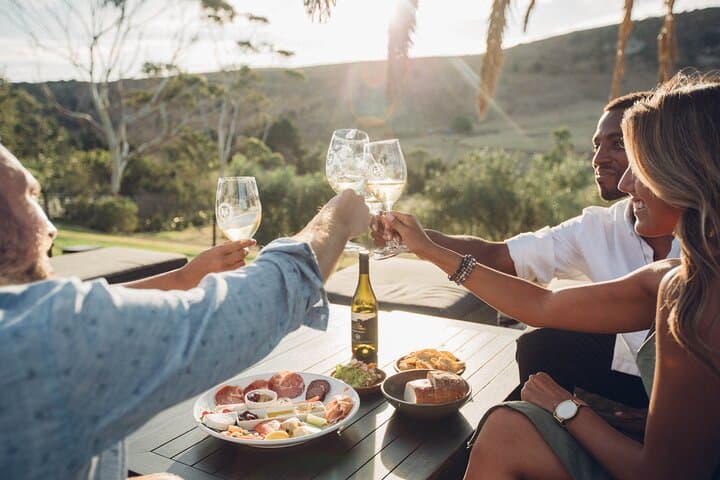
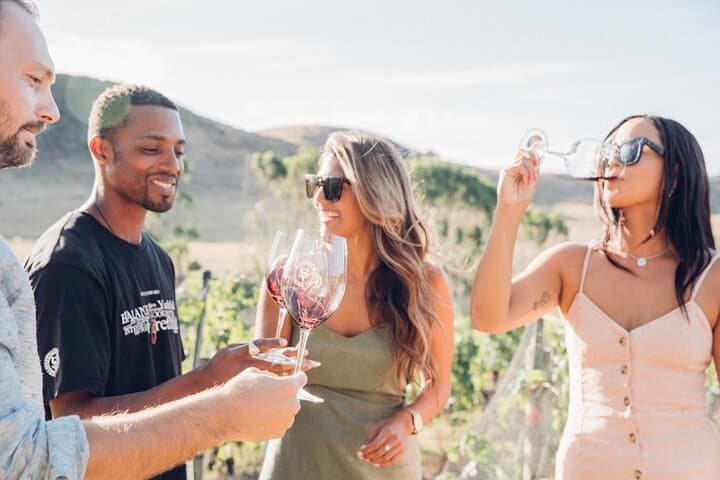
The tour’s rhythm is purposeful—first stop, Cable Bay cellar door for a sampling that ranges from crisp Pinot Gris to an energetic rosé. Then a drive through Oneroa’s village and the Golden Mile of Onetangi, where lunch at Three Seven Two places you almost on the sand. A set menu paired with a glass of wine and a view across the Hauraki Gulf makes midday slow; gulls wheel and the water dares you to stare longer. Afternoon stops typically include Stonyridge, with its olive trees and Rhône-style blends, and either Mudbrick or Postage Stamp for wide harbour views and a final tasting.
This is an easy day for most travelers: short walks on gravel or paved cellar doors, scenic drives and seated tastings. Still, the best experience comes from planning—arrive on the 10:00 ferry from Auckland to meet the guide at 10:40, and allow time afterward to return to Matiatia by 3:45 p.m. Service animals are allowed, but the operator notes the tour is not recommended for young children.
Practicalities: bring a reusable water bottle and sun protection, and flag dietary needs when booking—the lunch is a set menu, though many operators accommodate intolerances with notice. If you plan to buy bottles, ask about shipping to Auckland to avoid carrying heavy glass on the ferry home. And when you move between cellar doors, listen to the guide; the commentary on soil, sun exposure and sustainable practices will deepen every pour.
Ultimately, this tour is about contrast: sandy beaches and wind-sculpted vines, easy conviviality and artisanal craft in the glass. It’s a half-day that feels like an island escape and a compact masterclass in why Waiheke has become one of New Zealand’s most celebrated wine destinations.
easy.
5 hours.
Minimal fitness required—short walks on flat or gently sloping paved and gravel surfaces; suitable for most adults
Take the 10:00 ferry from Auckland to Matiatia; the guide meets the group at Pier 2 by 10:40 a.m.—return drop-off is back at Matiatia around 3:45 p.m.
Yes—lunch is a set menu at Three Seven Two on Onetangi Beach and includes one glass of wine; notify the operator about dietary restrictions when booking.
Yes—most cellar doors sell bottles and offer shipping to Auckland; ask staff about freight or island pickup to avoid carrying heavy bottles on the ferry.
The operator notes the tour is not recommended for children; it’s best suited to adults given tasting focus and travel logistics.
Tastings at three vineyards, transportation around Waiheke, a knowledgeable guide/driver and lunch with one glass of wine are included as listed in the itinerary.
Venues may be substituted with equally reputable options (e.g., Te Motu, Postage Stamp); the guide will notify the group of any changes.
Waiheke has been inhabited by Māori for centuries; viticulture is a recent development (post-1970s) that leverages the island’s unique maritime soils and microclimates.
Many vineyards on Waiheke practice sustainable viticulture and water-conscious irrigation—visitors should stick to paths, avoid disturbing native vegetation, and minimize single-use plastics.
Waiheke Wine Tours Ltd operates guided outdoor trips and adventures with an emphasis on safety, stewardship, and memorable experiences.
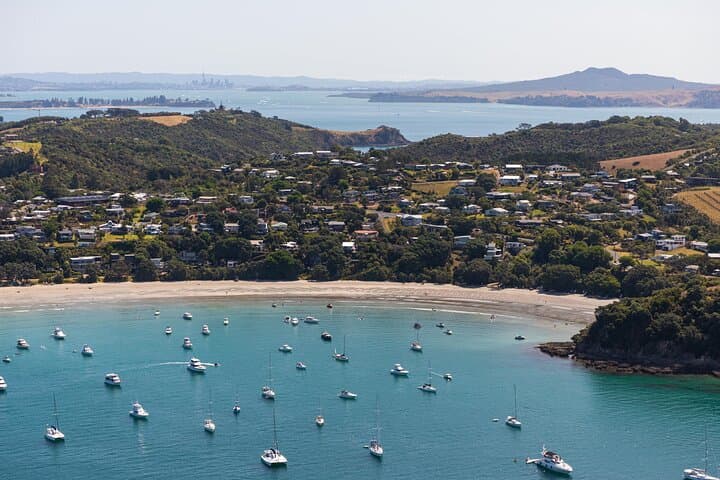
A morning ferry thumps into Matiatia Bay and the air changes—sea-salt replaces city grime, scrubby pohutukawa and vineyard rows take over the skyline, and the island seems to tilt slightly toward leisure. By 10:40 a.m. the tour guide has the group assembled at Pier 2, and in short order a minibus eases onto narrow lanes, the driver narrating geology and Māori place names as vineyards come into view.
A morning ferry thumps into Matiatia Bay and the air changes—sea-salt replaces city grime, scrubby pohutukawa and vineyard rows take over the skyline, and the island seems to tilt slightly toward leisure. By 10:40 a.m. the tour guide has the group assembled at Pier 2, and in short order a minibus eases onto narrow lanes, the driver narrating geology and Māori place names as vineyards come into view.
Waiheke’s wine story is young but loud: vineyards carved from sandstone soils and clay terraces since the 1980s that prosper in a maritime microclimate. The Hauraki Gulf acts like a thermostat—cool sea breezes temper summer heat and push ripening back into a long, flavor-building season. Māori history threads the island too; pā sites and traditional fishing grounds are visible from many vineyard perches, a reminder that this landscape was home long before vines arrived.
The tour’s rhythm is purposeful—first stop, Cable Bay cellar door for a sampling that ranges from crisp Pinot Gris to an energetic rosé. Then a drive through Oneroa’s village and the Golden Mile of Onetangi, where lunch at Three Seven Two places you almost on the sand. A set menu paired with a glass of wine and a view across the Hauraki Gulf makes midday slow; gulls wheel and the water dares you to stare longer. Afternoon stops typically include Stonyridge, with its olive trees and Rhône-style blends, and either Mudbrick or Postage Stamp for wide harbour views and a final tasting.
This is an easy day for most travelers: short walks on gravel or paved cellar doors, scenic drives and seated tastings. Still, the best experience comes from planning—arrive on the 10:00 ferry from Auckland to meet the guide at 10:40, and allow time afterward to return to Matiatia by 3:45 p.m. Service animals are allowed, but the operator notes the tour is not recommended for young children.
Practicalities: bring a reusable water bottle and sun protection, and flag dietary needs when booking—the lunch is a set menu, though many operators accommodate intolerances with notice. If you plan to buy bottles, ask about shipping to Auckland to avoid carrying heavy glass on the ferry home. And when you move between cellar doors, listen to the guide; the commentary on soil, sun exposure and sustainable practices will deepen every pour.
Ultimately, this tour is about contrast: sandy beaches and wind-sculpted vines, easy conviviality and artisanal craft in the glass. It’s a half-day that feels like an island escape and a compact masterclass in why Waiheke has become one of New Zealand’s most celebrated wine destinations.