THE ADVENTURE COLLECTIVE® · Independent discovery and booking for outdoor travel

A small-group tasting route across Waiheke Island that pairs craft whisky and beer with vineyard vintages and olive oil tastings. Expect intimate cellar tours, seaside views and a carefully paced five-hour tasting loop.
A small-group tasting route across Waiheke Island that pairs craft whisky and beer with vineyard vintages and olive oil tastings. Expect intimate cellar tours, seaside views and a carefully paced five-hour tasting loop.
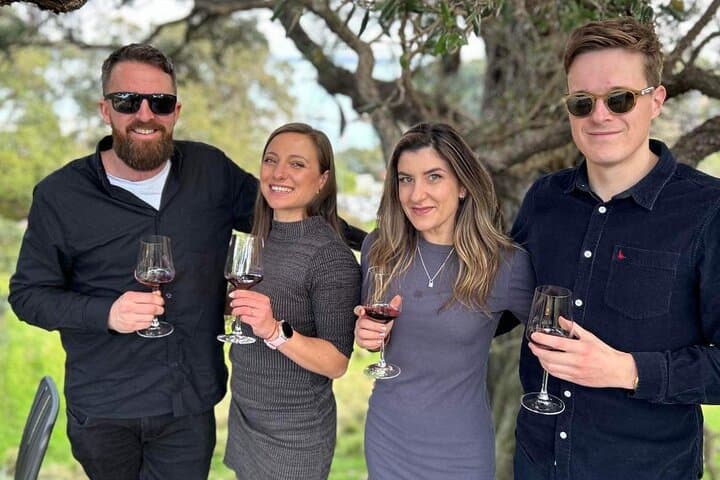
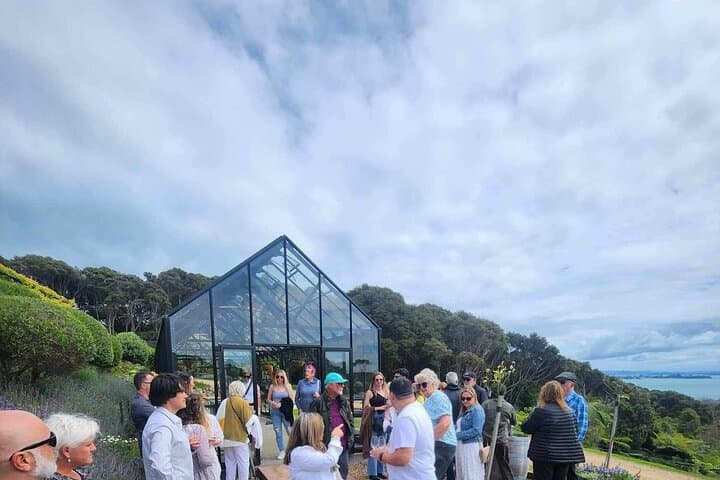
The ferry hollers as it cuts a white line across the Gulf and Waiheke’s hills rise from blue: scrubby pōhutukawa crowns, vineyard rows folding into the slope, and the tidy pier at Matiatia where a guide with a welcome board waits. On this small-group tour, the island’s food and drink culture becomes a measured march of sips and bites — a distillery cellar visit, a vineyard tasting with sea views, a long platter at a boutique winery, and a fragrant stop among olive trees.
Verified experiences and guided adventures in the surrounding area.
Operated by Waiheke Wine Tours Ltd · Waiheke Island, Auckland Region
The ferry hollers as it cuts a white line across the Gulf and Waiheke’s hills rise from blue: scrubby pōhutukawa crowns, vineyard rows folding into the slope, and the tidy pier at Matiatia where a guide with a welcome board waits. On this small-group tour, the island’s food and drink culture becomes a measured march of sips and bites — a distillery cellar visit, a vineyard tasting with sea views, a long platter at a boutique winery, and a fragrant stop among olive trees.
Waiheke’s agricultural story is recent in New Zealand terms. Māori settled and tended the island for centuries; the European-era vineyards only took off in the 1970s and 80s, when the island’s warm, maritime climate proved ideal for Syrah and Chardonnay. Geologically, the island is an uplifted landscape of argillite and sandstone, scoured by wind and salt; the soils that weather from these rocks are part of what gives Waiheke wines their concentrated fruit and mineral grip. The island’s gardens and small farms sit cheek-by-jowl with this geology, so tasting here feels like tasting a place: sea-salted air pushing aromas into the glass, the afternoon sun coaxing sugar from grapes, the distillery steam mingling with the garden scent.
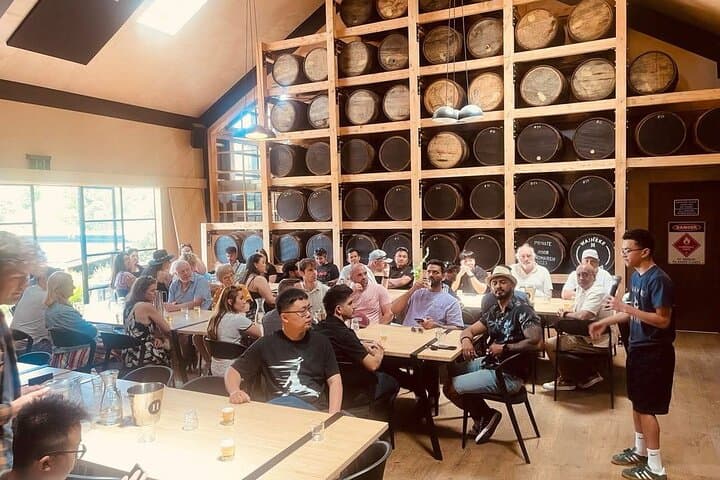
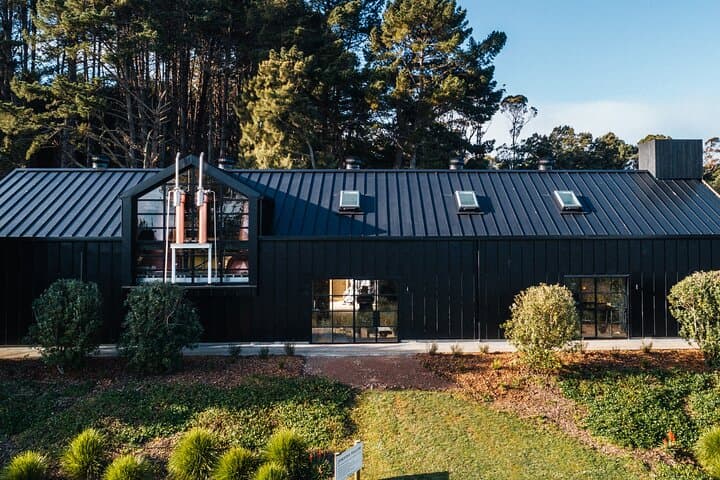
Culturally, the tour is a study in scale and care. Producers here are often family-run; the distillery cellar at The Heke frames hand-crafted lager, small-batch gin and whisky in a setting of gardens and barrel rooms where staff can talk shop and technique. Olive groves and boutique vineyards favor low-intervention methods; small plates emphasize local cheese, smoked fish and charcuterie that pair with each producer’s signature pours.
Practical guide: arrive on the 9:00 ferry from Auckland to reach the 9:40am meet at Matiatia Wharf. The tour lasts about five hours and includes transport around the island, tastings, lunch platters and ferry tickets. Expect a mix of seated tastings and short walks between venues on gravel or country roads; groups are capped at 10 to keep congestion low and conversation flowing. Bring sunscreen and a light wind layer—breezes from the Waitematā can sharpen suddenly—and pace your tasting: spit buckets are discreetly available and bottled water is provided. If you plan to visit other island spots afterward, book a later ferry.
Tips for timing: morning ferries give fuller daylight for coastal views; late afternoon crossings highlight the city skyline across the water. Above all, travel considerately—stay on marked tracks, accept guidance on responsible tasting, and leave the island as you found it so future vintages can be as good as today’s.
easy.
5–5.5 hours.
Light—suitable for anyone comfortable with periods of standing and short walks between venues
Yes—the tour includes ferry tickets; follow the operator’s guidance on which sailing to book (9:00am recommended).
Lunch platters and tasting portions are included as described; inform the operator of dietary requirements when booking.
This operator notes the tour is not suitable for children; confirm policy at booking if travelling with minors.
The tour operates in light rain; venues have sheltered tasting rooms but very bad weather can trigger cancellation and a full refund if more than 24 hours’ notice is given.
Portions are tasting-sized and paired with small plates; the focus is sampling multiple producers rather than full glasses at each stop.
Accessibility varies by venue—some cellars and gardens have steps or gravel paths; contact the operator ahead to discuss specific needs.
Waiheke has a long Māori history of settlement and resource use; modern viticulture developed in the late 20th century when growers capitalized on the island’s warm maritime climate.
Many producers emphasize low-intervention farming and water-wise practices; visitors should stay on paths, avoid feeding wildlife and minimise single-use plastics.
Waiheke Wine Tours Ltd operates guided outdoor trips and adventures with an emphasis on safety, stewardship, and memorable experiences.
The ferry hollers as it cuts a white line across the Gulf and Waiheke’s hills rise from blue: scrubby pōhutukawa crowns, vineyard rows folding into the slope, and the tidy pier at Matiatia where a guide with a welcome board waits. On this small-group tour, the island’s food and drink culture becomes a measured march of sips and bites — a distillery cellar visit, a vineyard tasting with sea views, a long platter at a boutique winery, and a fragrant stop among olive trees.
The ferry hollers as it cuts a white line across the Gulf and Waiheke’s hills rise from blue: scrubby pōhutukawa crowns, vineyard rows folding into the slope, and the tidy pier at Matiatia where a guide with a welcome board waits. On this small-group tour, the island’s food and drink culture becomes a measured march of sips and bites — a distillery cellar visit, a vineyard tasting with sea views, a long platter at a boutique winery, and a fragrant stop among olive trees.
Waiheke’s agricultural story is recent in New Zealand terms. Māori settled and tended the island for centuries; the European-era vineyards only took off in the 1970s and 80s, when the island’s warm, maritime climate proved ideal for Syrah and Chardonnay. Geologically, the island is an uplifted landscape of argillite and sandstone, scoured by wind and salt; the soils that weather from these rocks are part of what gives Waiheke wines their concentrated fruit and mineral grip. The island’s gardens and small farms sit cheek-by-jowl with this geology, so tasting here feels like tasting a place: sea-salted air pushing aromas into the glass, the afternoon sun coaxing sugar from grapes, the distillery steam mingling with the garden scent.
Culturally, the tour is a study in scale and care. Producers here are often family-run; the distillery cellar at The Heke frames hand-crafted lager, small-batch gin and whisky in a setting of gardens and barrel rooms where staff can talk shop and technique. Olive groves and boutique vineyards favor low-intervention methods; small plates emphasize local cheese, smoked fish and charcuterie that pair with each producer’s signature pours.
Practical guide: arrive on the 9:00 ferry from Auckland to reach the 9:40am meet at Matiatia Wharf. The tour lasts about five hours and includes transport around the island, tastings, lunch platters and ferry tickets. Expect a mix of seated tastings and short walks between venues on gravel or country roads; groups are capped at 10 to keep congestion low and conversation flowing. Bring sunscreen and a light wind layer—breezes from the Waitematā can sharpen suddenly—and pace your tasting: spit buckets are discreetly available and bottled water is provided. If you plan to visit other island spots afterward, book a later ferry.
Tips for timing: morning ferries give fuller daylight for coastal views; late afternoon crossings highlight the city skyline across the water. Above all, travel considerately—stay on marked tracks, accept guidance on responsible tasting, and leave the island as you found it so future vintages can be as good as today’s.