THE ADVENTURE COLLECTIVE® · Independent discovery and booking for outdoor travel

Board at Matiatia and let a looped red bus turn a day trip into an island exploration: vineyards, beaches, galleries and hidden headlands all on your timetable. This hop-on hop-off lets you pace the day—and the tastings—while the ferry handles the heavy lifting.
Board at Matiatia and let a looped red bus turn a day trip into an island exploration: vineyards, beaches, galleries and hidden headlands all on your timetable. This hop-on hop-off lets you pace the day—and the tastings—while the ferry handles the heavy lifting.
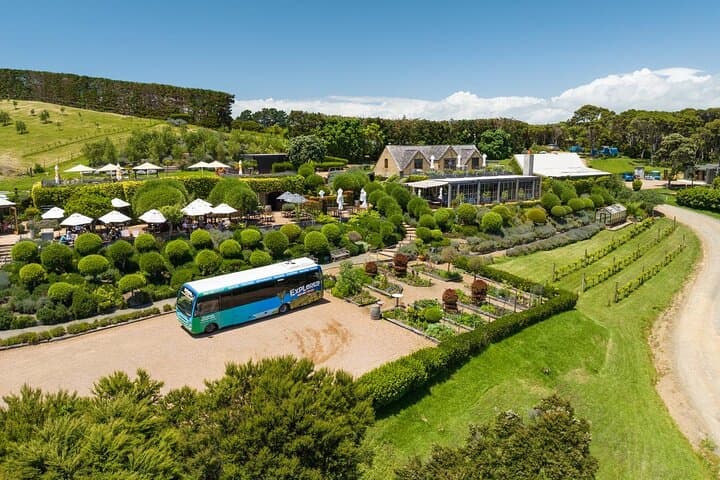
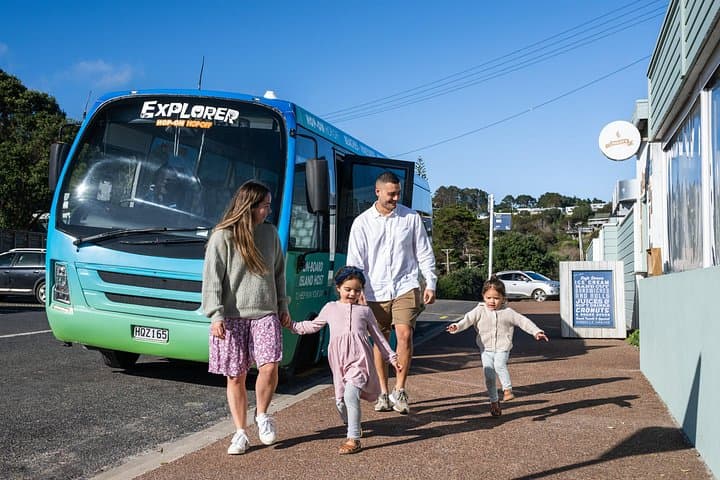
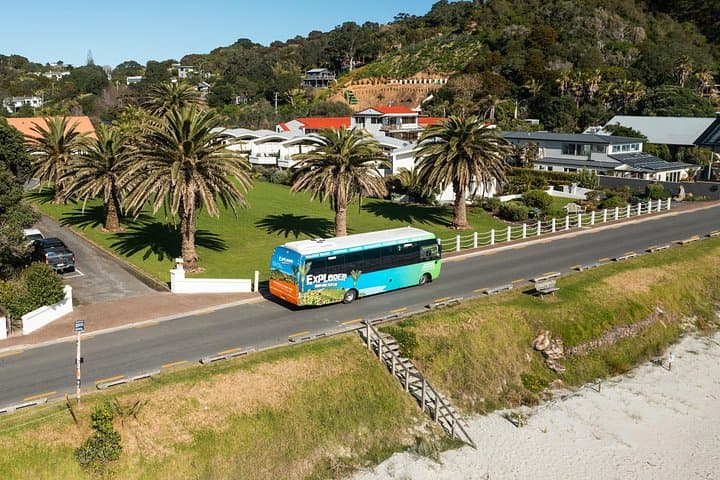
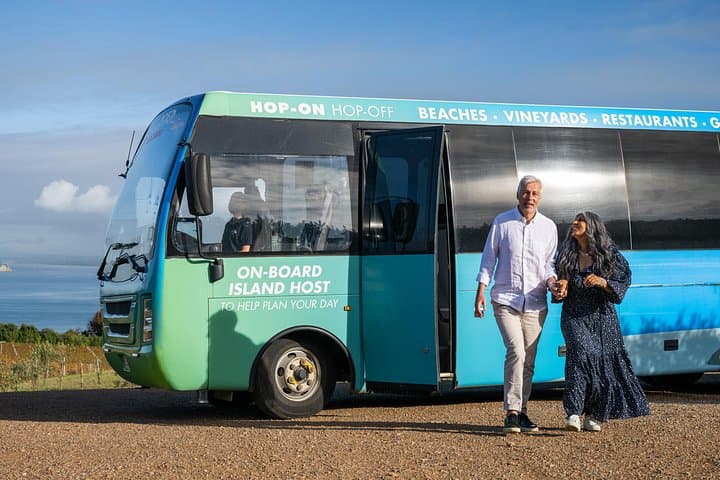
You step off the ferry into a wind that smells of seaweed and hot stone; the Matiatia wharf is all movement—locals with reusable bags, suitcases, and the occasional dog. A bright red bus waits nearby, its doors opening like an invitation. Climb aboard and the island begins to unfold in loops: sweeping bays that dare you to take your shoes off, low vineyards that edge the ridgelines, and villages that trade surf stories for espresso.
Verified experiences and guided adventures in the surrounding area.
Operated by Fullers360 · Waiheke Island, Auckland
You step off the ferry into a wind that smells of seaweed and hot stone; the Matiatia wharf is all movement—locals with reusable bags, suitcases, and the occasional dog. A bright red bus waits nearby, its doors opening like an invitation. Climb aboard and the island begins to unfold in loops: sweeping bays that dare you to take your shoes off, low vineyards that edge the ridgelines, and villages that trade surf stories for espresso.
Waiheke’s story is short on mountains but long on layers. Geologically it's a set of hard volcanic ridges scoured and smoothed by the sea; its soil is free-draining and sun-warmed, which helps explain why boutique vineyards multiplied here in the late 20th century. Long before grapes, the island was home to Māori settlements—pa sites and middens still mark the coastline—then European farmers, and now a mix of artists, restaurateurs, and wine-makers who have shaped the modern visitor trail.
The hop-on hop-off route stitches together the island’s main rhythms: art in Oneroa, tasting rooms at Stonyridge and Mudbrick, and the long shore of Onetangi where the sea pulls and releases like a patient hand. The bus becomes a practical lens—you can see, decide, and return on your timetable. The MyTours app maps the stops and layers in local commentary so a short loop becomes context-rich: why a vineyard faces south, which gallery holds a summer show, where a downhill walk opens to a postcard view.
Practical edge: allow half a day to a full day. The operator schedules departures roughly every 60 minutes; the usual voucher window is 9:00–19:00, and the recommended loop fits into a 3–6 hour outing when you factor ferry time. Bring water and a lightweight daypack—some vineyards require bookings for tastings, and popular beaches clog on warm weekends.
Local tips are straightforward: start early if you want quieter beaches; park your place in a vineyard tasting rather than winging it; and if you have mobility needs, the service is stroller- and wheelchair-friendly in many sections but check individual stop accessibility first. Keep pockets free of single-use plastics—the island has active conservation programs and a focus on waste minimization.
The bus is not just transport; it’s a curator. Use it to sample a single vineyard and a gallery, stretch on a beach, and learn why this small island has become one of New Zealand’s most approachable wine destinations. With the ferry there and back, a day on Waiheke feels like a smart, scenic expedition that gives you control without the logistics headache.
easy.
3–6 hours.
Suitable for most fitness levels; requires short walks from stops and standing on the ferry.
The 'Tour + Ferry' option includes return ferry tickets from Auckland; a 'Tour Only' option requires you to arrive at Matiatia Wharf independently.
Buses operate roughly every 60 minutes, with the first loop timed after the 9:00 ferry and last loop returning in time for the 19:00 ferry window.
Plan 3–6 hours on the island for a comfortable hop-on experience; combine shorter loops with the ferry schedule if your day is limited.
Many stops are stroller-accessible and the service notes mobility-friendly options, but access can vary—contact the operator for specifics on individual stops.
Small daypacks and shopping bags are fine; large checked luggage is not suitable on the island bus—store large items in Auckland before you travel.
Onboard alcohol policies vary—bring purchases back to your accommodation rather than consume on the bus. Tastings are available at many wineries; those may require a booking and have a minimum drinking age of 18.
Waiheke has long been occupied by Māori and later European settlers; its modern identity shifted after the 1970s when boutique viticulture and arts communities expanded.
The island emphasizes reduced waste and protecting coastal vegetation—stick to marked paths and avoid feeding wildlife to minimize impact.
Fullers360 operates guided outdoor trips and adventures with an emphasis on safety, stewardship, and memorable experiences.
You step off the ferry into a wind that smells of seaweed and hot stone; the Matiatia wharf is all movement—locals with reusable bags, suitcases, and the occasional dog. A bright red bus waits nearby, its doors opening like an invitation. Climb aboard and the island begins to unfold in loops: sweeping bays that dare you to take your shoes off, low vineyards that edge the ridgelines, and villages that trade surf stories for espresso.
You step off the ferry into a wind that smells of seaweed and hot stone; the Matiatia wharf is all movement—locals with reusable bags, suitcases, and the occasional dog. A bright red bus waits nearby, its doors opening like an invitation. Climb aboard and the island begins to unfold in loops: sweeping bays that dare you to take your shoes off, low vineyards that edge the ridgelines, and villages that trade surf stories for espresso.
Waiheke’s story is short on mountains but long on layers. Geologically it's a set of hard volcanic ridges scoured and smoothed by the sea; its soil is free-draining and sun-warmed, which helps explain why boutique vineyards multiplied here in the late 20th century. Long before grapes, the island was home to Māori settlements—pa sites and middens still mark the coastline—then European farmers, and now a mix of artists, restaurateurs, and wine-makers who have shaped the modern visitor trail.
The hop-on hop-off route stitches together the island’s main rhythms: art in Oneroa, tasting rooms at Stonyridge and Mudbrick, and the long shore of Onetangi where the sea pulls and releases like a patient hand. The bus becomes a practical lens—you can see, decide, and return on your timetable. The MyTours app maps the stops and layers in local commentary so a short loop becomes context-rich: why a vineyard faces south, which gallery holds a summer show, where a downhill walk opens to a postcard view.
Practical edge: allow half a day to a full day. The operator schedules departures roughly every 60 minutes; the usual voucher window is 9:00–19:00, and the recommended loop fits into a 3–6 hour outing when you factor ferry time. Bring water and a lightweight daypack—some vineyards require bookings for tastings, and popular beaches clog on warm weekends.
Local tips are straightforward: start early if you want quieter beaches; park your place in a vineyard tasting rather than winging it; and if you have mobility needs, the service is stroller- and wheelchair-friendly in many sections but check individual stop accessibility first. Keep pockets free of single-use plastics—the island has active conservation programs and a focus on waste minimization.
The bus is not just transport; it’s a curator. Use it to sample a single vineyard and a gallery, stretch on a beach, and learn why this small island has become one of New Zealand’s most approachable wine destinations. With the ferry there and back, a day on Waiheke feels like a smart, scenic expedition that gives you control without the logistics headache.