THE ADVENTURE COLLECTIVE® · Independent discovery and booking for outdoor travel

Step off the ferry and spend five hours moving from pohutukawa-shaded gullies to wind-swept headlands. This half-day walk on Waiheke Island pairs coastal panoramas with native forest, seabird habitat and a swim-ready finish.
Step off the ferry and spend five hours moving from pohutukawa-shaded gullies to wind-swept headlands. This half-day walk on Waiheke Island pairs coastal panoramas with native forest, seabird habitat and a swim-ready finish.
You step off the ferry and the city’s noise folds behind you; salt air and a low, rolling green take over. The guide waits with a sign at the wharf, and within minutes the island’s mood sets the pace: easy, curious, and quietly dramatic. Over five hours you move between shaded forest gullies and exposed coastal ridges, past groves of Pohutukawa with trunks like old hands and stands of tropical-feeling Nikau palms that lean toward the sea.
Verified experiences and guided adventures in the surrounding area.
Operated by Terra & Tide · Waiheke Island, Auckland
You step off the ferry and the city’s noise folds behind you; salt air and a low, rolling green take over. The guide waits with a sign at the wharf, and within minutes the island’s mood sets the pace: easy, curious, and quietly dramatic. Over five hours you move between shaded forest gullies and exposed coastal ridges, past groves of Pohutukawa with trunks like old hands and stands of tropical-feeling Nikau palms that lean toward the sea.
This walk threads Whakanewha Regional Park, Glenbrook Reserve and the Te Whau Peninsula, places where geology and human history are quietly readable. The island’s foundation is compacted Pliocene sediments and ancient dune systems—short climbs reveal layered cliffs, and the shoreline shows the slow negotiation between rock and surf. Māori have long-standing ties here; the island’s bays were seasonal gardens and fishing spots, and place names like Rocky Bay point to those connections. Today, sheep paddocks, vineyards and native forest sit in a patchwork forged by colonization and ongoing restoration efforts.
Wildlife shapes the itinerary: seabird nesting grounds patrol the headlands and tūī sing from the canopy while kororā (little blue penguins) slip offshore. Guides emphasize low-impact travel—stay on the track, keep voices down near colonies, and leave no trace of plastic or food scraps that attract pests.
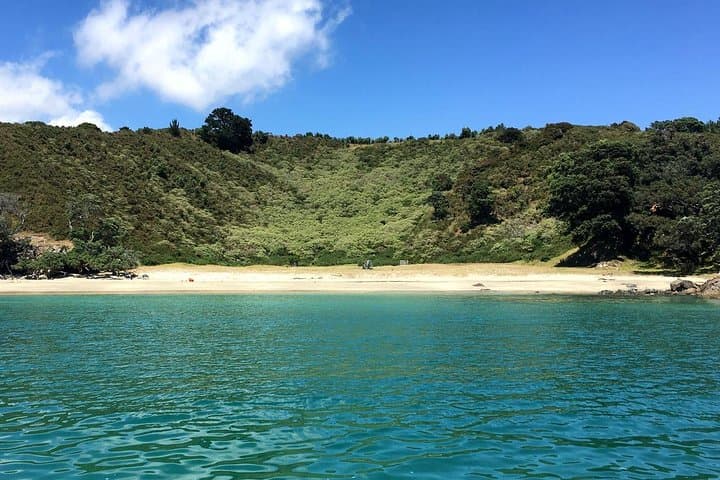
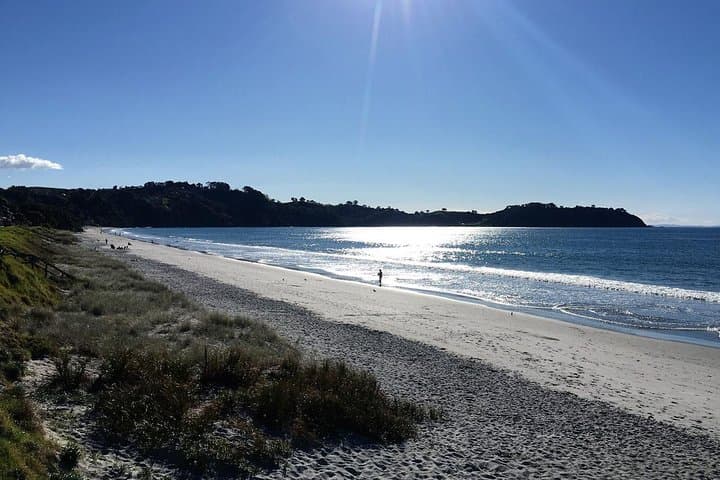
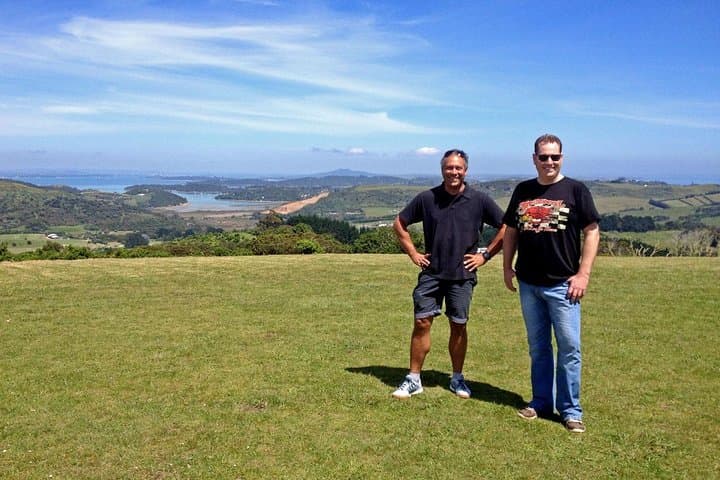
The trail itself is straightforward but varied—roughly 8–10 km of mixed singletrack, farm lanes and beach sand, with modest elevation gains (around 200 m cumulative). Expect roots, occasional rocky steps and wet sections after rain; flat sections open to long views across the Hauraki Gulf to Auckland. The tour finishes at a sheltered beach where you can cool off or enjoy the included lunch.
Practicalities: the walk begins on Waiheke; most guests arrive on the morning ferry from Auckland (the guide meets arriving passengers). Wear sturdy walking shoes, bring 1–1.5 liters of water, a wind- and rain-layer, sunscreen and a hat. The operator runs trips in all weather—dress in layers and be prepared for sharp sun or passing coastal showers. Booking is instant and groups are small (maximum eight), so expect attentive interpretation about plants, seabirds and island life.
For anyone with an appetite for coastal forest, the half-day route is an accessible introduction to New Zealand’s littoral ecosystems—part natural history lesson, part seaside stroll. It’s a walk that rewards attention: the salt on your skin, the fossil-like cliffs underfoot and the abrupt, panoramic return glance to the gleam of Auckland across the water.
moderate.
5 hours.
Suitable for people with reasonable mobility who can walk 8–10 km over mixed terrain; short, steady climbs and some uneven surfaces expected.
The guide meets passengers as they leave the ferry at Waiheke (typically Matiatia or Oneroa arrivals); if coming from Auckland, take the scheduled passenger ferry and look for the guide with a sign.
Yes—families with school-aged children who can handle 8–10 km and uneven surfaces will find it manageable; check with the operator for younger children or special needs.
Lunch is included in the tour, but bring extra snacks if you have a high appetite or specific dietary needs.
Yes—many groups finish at a sheltered beach suitable for a quick swim; water temperature varies by season.
Trips operate in most conditions; heavy rain or hazardous weather may prompt cancellation—refer to the operator’s 24-hour cancellation policy.
Pointed stops at parks and reserves have basic restroom facilities, but they may be spaced apart—plan accordingly.
Waiheke has long been used by Tāmaki Māori for seasonal fishing and gardening; European settlement introduced vineyards and pasture, shaping the island’s current patchwork of land use.
Much of the island’s native forest is under active restoration and pest-control programs—stay on tracks, keep dogs off reserves and respect nesting areas to support local recovery efforts.
Terra & Tide operates guided outdoor trips and adventures with an emphasis on safety, stewardship, and memorable experiences.
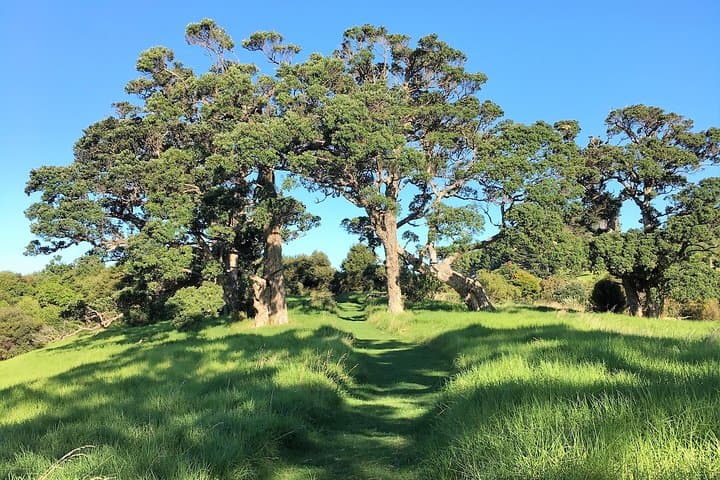
You step off the ferry and the city’s noise folds behind you; salt air and a low, rolling green take over. The guide waits with a sign at the wharf, and within minutes the island’s mood sets the pace: easy, curious, and quietly dramatic. Over five hours you move between shaded forest gullies and exposed coastal ridges, past groves of Pohutukawa with trunks like old hands and stands of tropical-feeling Nikau palms that lean toward the sea.
You step off the ferry and the city’s noise folds behind you; salt air and a low, rolling green take over. The guide waits with a sign at the wharf, and within minutes the island’s mood sets the pace: easy, curious, and quietly dramatic. Over five hours you move between shaded forest gullies and exposed coastal ridges, past groves of Pohutukawa with trunks like old hands and stands of tropical-feeling Nikau palms that lean toward the sea.
This walk threads Whakanewha Regional Park, Glenbrook Reserve and the Te Whau Peninsula, places where geology and human history are quietly readable. The island’s foundation is compacted Pliocene sediments and ancient dune systems—short climbs reveal layered cliffs, and the shoreline shows the slow negotiation between rock and surf. Māori have long-standing ties here; the island’s bays were seasonal gardens and fishing spots, and place names like Rocky Bay point to those connections. Today, sheep paddocks, vineyards and native forest sit in a patchwork forged by colonization and ongoing restoration efforts.
Wildlife shapes the itinerary: seabird nesting grounds patrol the headlands and tūī sing from the canopy while kororā (little blue penguins) slip offshore. Guides emphasize low-impact travel—stay on the track, keep voices down near colonies, and leave no trace of plastic or food scraps that attract pests.
The trail itself is straightforward but varied—roughly 8–10 km of mixed singletrack, farm lanes and beach sand, with modest elevation gains (around 200 m cumulative). Expect roots, occasional rocky steps and wet sections after rain; flat sections open to long views across the Hauraki Gulf to Auckland. The tour finishes at a sheltered beach where you can cool off or enjoy the included lunch.
Practicalities: the walk begins on Waiheke; most guests arrive on the morning ferry from Auckland (the guide meets arriving passengers). Wear sturdy walking shoes, bring 1–1.5 liters of water, a wind- and rain-layer, sunscreen and a hat. The operator runs trips in all weather—dress in layers and be prepared for sharp sun or passing coastal showers. Booking is instant and groups are small (maximum eight), so expect attentive interpretation about plants, seabirds and island life.
For anyone with an appetite for coastal forest, the half-day route is an accessible introduction to New Zealand’s littoral ecosystems—part natural history lesson, part seaside stroll. It’s a walk that rewards attention: the salt on your skin, the fossil-like cliffs underfoot and the abrupt, panoramic return glance to the gleam of Auckland across the water.