THE ADVENTURE COLLECTIVE® · Independent discovery and booking for outdoor travel

Climb aboard a jet boat and run the Waiatoto River from the Tasman coast into Te Wāhipounamu’s rainforest. This two-hour safari mixes easy access, wildlife commentary and an optional walk into an ancient, glacier-sculpted valley.
Climb aboard a jet boat and run the Waiatoto River from the Tasman coast into Te Wāhipounamu’s rainforest. This two-hour safari mixes easy access, wildlife commentary and an optional walk into an ancient, glacier-sculpted valley.
The jet boat thumps off the river mouth and the Waiatoto becomes a ribbon of steel and spray, pushing you upriver through shuttered light and rainforest rims. In two hours you'll travel from coastal tides into a remote valley where the water narrows, the current talks back and the forest leans in — a photographer’s playground and a practical introduction to Te Wāhipounamu, New Zealand’s South Westland World Heritage Area.
Verified experiences and guided adventures in the surrounding area.
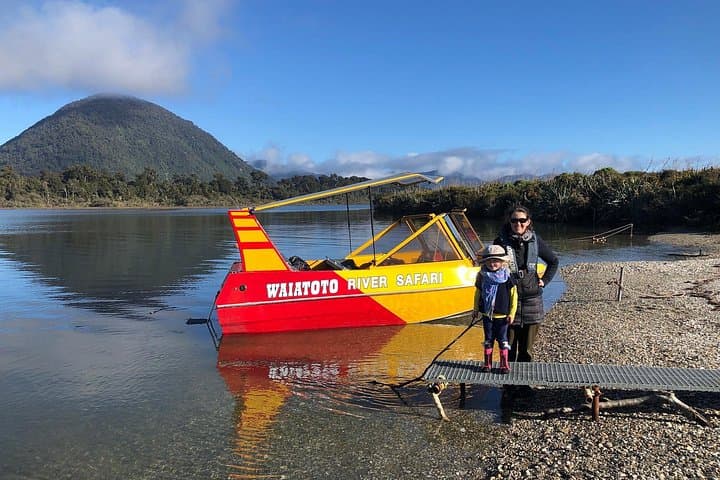
Operated by Waiatoto River Safaris · Haast, West Coast
The jet boat thumps off the river mouth and the Waiatoto becomes a ribbon of steel and spray, pushing you upriver through shuttered light and rainforest rims. In two hours you'll travel from coastal tides into a remote valley where the water narrows, the current talks back and the forest leans in — a photographer’s playground and a practical introduction to Te Wāhipounamu, New Zealand’s South Westland World Heritage Area.
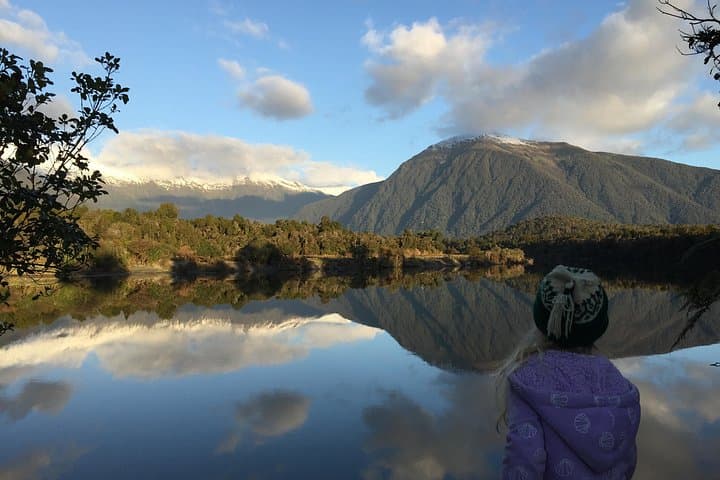
This is a living landscape: carved by glaciers and rivers, the valley shows steep moraine banks and young alluvial flats where native forest reclaims old flood lines. Māori have long-known these waterways, and European prospectors later threaded tracks through the scrub during West Coast gold and farming eras; today a small family operator guides groups of up to 15, sharing natural-history commentary and local stories.
Stops include shallow beaches and an optional short forest walk where you can feel verdant ferns and listen for tūī and pīwakawaka. Operators supply life jackets, hot drinks and snacks; warm jackets and boots are available if required. Practicalities matter here: check-in is 30 minutes before departure, the boat leaves on time, and weather or river conditions can cancel runs.
Expect sandflies on calm, warm days — bring repellent and long sleeves. Accessibility options are good: the service is stroller- and wheelchair-friendly. For a compact window into South Westland’s raw, wet world, this safari balances low physical demand with high sensory payoff — short on slog, long on atmosphere and sharp natural detail.
easy.
2 hours.
No special fitness required; suitable for children, seniors, and most mobility levels with assistance for infants
Yes; the tour is suitable for all ages. Infants must sit on an adult’s lap and strollers are permitted for small children.
Trips can be cancelled for safety due to bad weather or unsafe river conditions; full refunds are available if cancelled at least 24 hours in advance.
Yes, the operator states wheelchair-accessible transportation and facilities are available—notify special requirements at booking.
Life jackets, snacks, hot drinks, and a postcard souvenir are typically included; warm jackets and boots are provided if required.
The Waiatoto valley sits within Te Wāhipounamu, an area of cultural importance to local Māori and later visited by European prospectors and settlers; traces of early tracks and small-scale mining exist in the wider region.
The rainforest and river systems are sensitive—stick to operator guidelines, avoid disturbing birds, and pack out any rubbish; operators follow local DOC recommendations to minimize impact.
Waiatoto River Safaris operates guided outdoor trips and adventures with an emphasis on safety, stewardship, and memorable experiences.
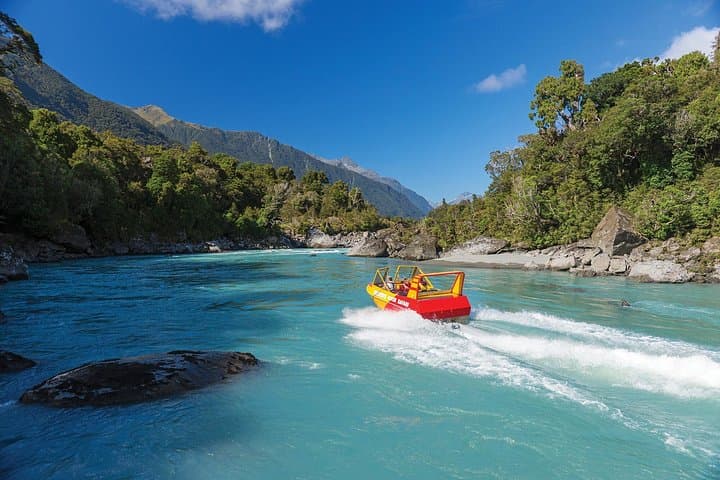
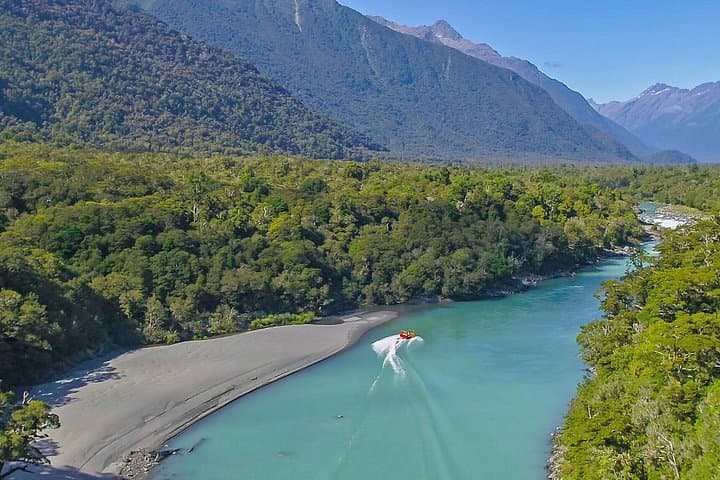
The jet boat thumps off the river mouth and the Waiatoto becomes a ribbon of steel and spray, pushing you upriver through shuttered light and rainforest rims. In two hours you'll travel from coastal tides into a remote valley where the water narrows, the current talks back and the forest leans in — a photographer’s playground and a practical introduction to Te Wāhipounamu, New Zealand’s South Westland World Heritage Area.
The jet boat thumps off the river mouth and the Waiatoto becomes a ribbon of steel and spray, pushing you upriver through shuttered light and rainforest rims. In two hours you'll travel from coastal tides into a remote valley where the water narrows, the current talks back and the forest leans in — a photographer’s playground and a practical introduction to Te Wāhipounamu, New Zealand’s South Westland World Heritage Area.
This is a living landscape: carved by glaciers and rivers, the valley shows steep moraine banks and young alluvial flats where native forest reclaims old flood lines. Māori have long-known these waterways, and European prospectors later threaded tracks through the scrub during West Coast gold and farming eras; today a small family operator guides groups of up to 15, sharing natural-history commentary and local stories.
Stops include shallow beaches and an optional short forest walk where you can feel verdant ferns and listen for tūī and pīwakawaka. Operators supply life jackets, hot drinks and snacks; warm jackets and boots are available if required. Practicalities matter here: check-in is 30 minutes before departure, the boat leaves on time, and weather or river conditions can cancel runs.
Expect sandflies on calm, warm days — bring repellent and long sleeves. Accessibility options are good: the service is stroller- and wheelchair-friendly. For a compact window into South Westland’s raw, wet world, this safari balances low physical demand with high sensory payoff — short on slog, long on atmosphere and sharp natural detail.