THE ADVENTURE COLLECTIVE® · Independent discovery and booking for outdoor travel

Swap Muscat’s coast for a day of cool pools and high dunes: swim in 9‑meter clear water at Wadi Bani Khalid, then head to Wahiba Sands for dune bashing and desert panoramas. This private full‑day tour delivers contrast—canyon calm and desert motion—perfect for active day‑trippers.
Swap Muscat’s coast for a day of cool pools and high dunes: swim in 9‑meter clear water at Wadi Bani Khalid, then head to Wahiba Sands for dune bashing and desert panoramas. This private full‑day tour delivers contrast—canyon calm and desert motion—perfect for active day‑trippers.
Morning light pours across the highway as a 4x4 peels away from Muscat and into open Oman—red dune ridges rise like slow waves, and a narrow ribbon of blue waits inland. The day begins with a short walk into Wadi Bani Khalid: canyons of carved limestone channel sparkling pools that drop straight into cool, clear water. The pools invite a long swim; cliffs and palm pockets shade quiet corners where local families have watered their flocks for generations.
Verified experiences and guided adventures in the surrounding area.
Operated by Address Tours Oman · Muscat, Ash Sharqiyah
Morning light pours across the highway as a 4x4 peels away from Muscat and into open Oman—red dune ridges rise like slow waves, and a narrow ribbon of blue waits inland. The day begins with a short walk into Wadi Bani Khalid: canyons of carved limestone channel sparkling pools that drop straight into cool, clear water. The pools invite a long swim; cliffs and palm pockets shade quiet corners where local families have watered their flocks for generations.
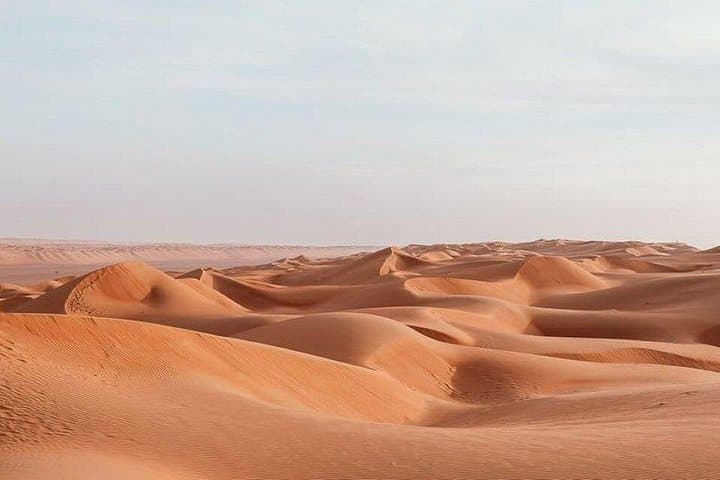
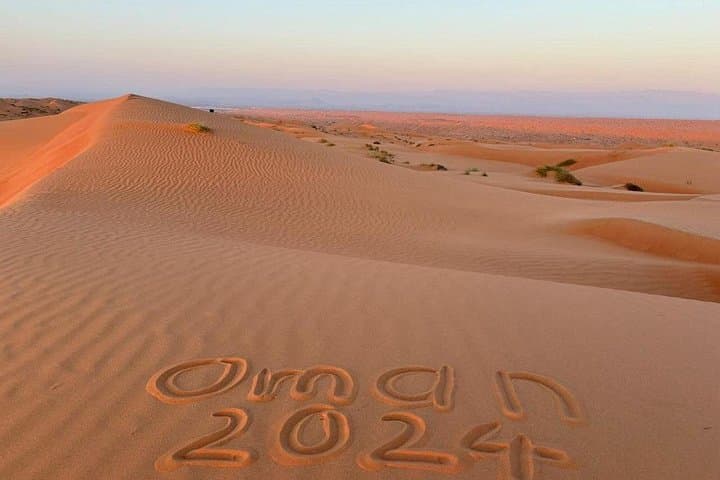
Geology here is blunt and honest: folded limestone and alluvial terraces feed year-round springs, while the Wahiba (Al Sharqiya) Sands are wind-sculpted quartz and feldspar, an 12,500 km² sweep of dunes shaped by monsoon-season gales. The sands carry the name of the Bani Wahiba tribe—nomads who read the desert like a map and still herd across its ridgelines.
Expect contrast: canyon hush and desert roar. The wadi’s pools can be nine meters deep; walking is short but uneven (10–15 minutes) and dune driving requires an experienced guide for safe thrills. Bring sun protection, a swimsuit, and footwear that can handle both slick rock and hot sand. Hydrate early and often; the desert will demand it.
Practical rhythm: start early to beat heat, plan for a 9–10 hour round trip from Muscat, and leave no trace—these springs and dunes are fragile. For photographers, late afternoon light across dune crests sharpens textures and throws long shadows; at the wadi, mid-morning produces the cleanest water reflections. This is a day of opposites—cool, still pools daring you to linger, and high dunes daring you to push farther out across their orange slope.
easy.
9–10 hours.
Suitable for most fitness levels; expect short, uneven walks and time sitting in a vehicle; basic swimming ability recommended.
The private full‑day tour runs about 9–10 hours from Muscat, visiting Wadi Bani Khalid first for a 1–2 hour stop, then continuing to Wahiba Sands for dune activities before returning to Muscat.
Yes—there are clear, deep pools (up to ~9 meters) suitable for swimming; bring swimwear and note there are rocky access points requiring careful footing.
Dune bashing is conducted by experienced drivers in equipped 4x4s; follow the guide’s safety instructions and keep seatbelts fastened during the ride.
Facilities are basic—bring snacks and water; some stops may have small local stalls, but plan on limited services at remote sites.
The Wahiba region takes its name from the Bani Wahiba tribe; wadis like Bani Khalid have long supported date palms and small settlements using traditional irrigation.
Both the oasis and the dunes are fragile—avoid trampling vegetation, stay on established tracks, and pack out all waste to protect water sources and desert habitats.
Address Tours Oman operates guided outdoor trips and adventures with an emphasis on safety, stewardship, and memorable experiences.
Morning light pours across the highway as a 4x4 peels away from Muscat and into open Oman—red dune ridges rise like slow waves, and a narrow ribbon of blue waits inland. The day begins with a short walk into Wadi Bani Khalid: canyons of carved limestone channel sparkling pools that drop straight into cool, clear water. The pools invite a long swim; cliffs and palm pockets shade quiet corners where local families have watered their flocks for generations.
Morning light pours across the highway as a 4x4 peels away from Muscat and into open Oman—red dune ridges rise like slow waves, and a narrow ribbon of blue waits inland. The day begins with a short walk into Wadi Bani Khalid: canyons of carved limestone channel sparkling pools that drop straight into cool, clear water. The pools invite a long swim; cliffs and palm pockets shade quiet corners where local families have watered their flocks for generations.
Geology here is blunt and honest: folded limestone and alluvial terraces feed year-round springs, while the Wahiba (Al Sharqiya) Sands are wind-sculpted quartz and feldspar, an 12,500 km² sweep of dunes shaped by monsoon-season gales. The sands carry the name of the Bani Wahiba tribe—nomads who read the desert like a map and still herd across its ridgelines.
Expect contrast: canyon hush and desert roar. The wadi’s pools can be nine meters deep; walking is short but uneven (10–15 minutes) and dune driving requires an experienced guide for safe thrills. Bring sun protection, a swimsuit, and footwear that can handle both slick rock and hot sand. Hydrate early and often; the desert will demand it.
Practical rhythm: start early to beat heat, plan for a 9–10 hour round trip from Muscat, and leave no trace—these springs and dunes are fragile. For photographers, late afternoon light across dune crests sharpens textures and throws long shadows; at the wadi, mid-morning produces the cleanest water reflections. This is a day of opposites—cool, still pools daring you to linger, and high dunes daring you to push farther out across their orange slope.