THE ADVENTURE COLLECTIVE® · Independent discovery and booking for outdoor travel

Drive deep into Wahiba Sands for dune bashing, then cool off in the clear pools of Wadi Bani Khalid. This 8‑hour tour from Muscat mixes adrenaline, swimming, and a short cultural stop at a Bedouin house.
Drive deep into Wahiba Sands for dune bashing, then cool off in the clear pools of Wadi Bani Khalid. This 8‑hour tour from Muscat mixes adrenaline, swimming, and a short cultural stop at a Bedouin house.
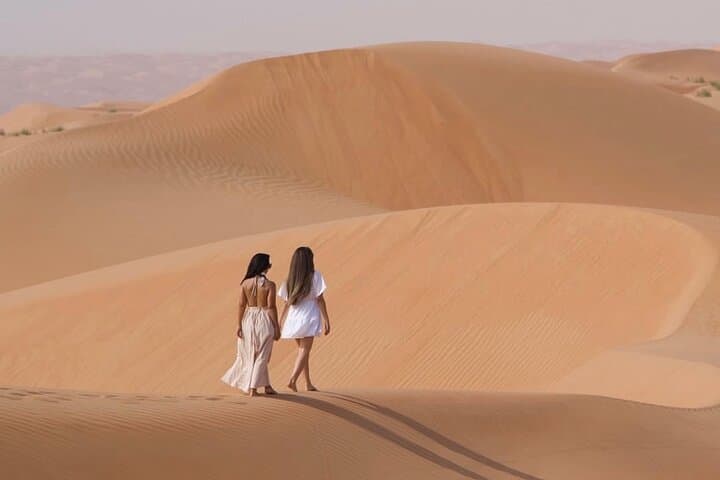
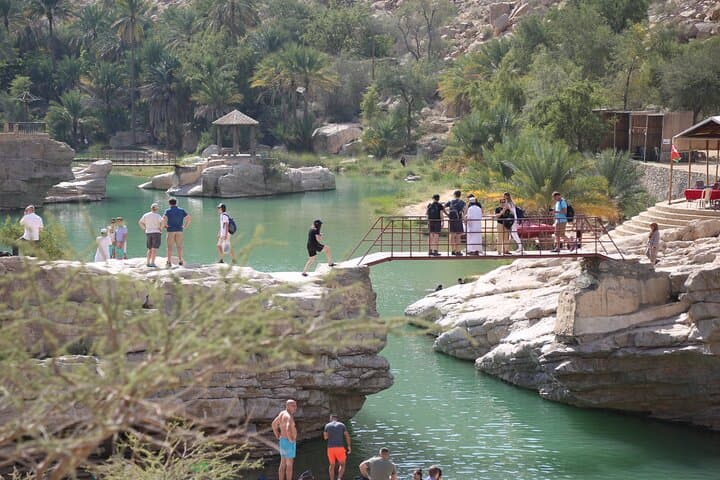
The morning light flattens the dunes into broad stripes of gold as a convoy of 4x4s threads across Wahiba Sands, tires hissing on powdery sand. Wind scours ripples into the slopes, and the driver eases the vehicle over a lip—sudden elevation, a brief surge, then a quiet bowl where the sky widens. Later, the wadi opens: plunge pools ringed by palms and basalt cliffs, water so clear it dares you to step in.
Verified experiences and guided adventures in the surrounding area.
Operated by WikiTours Adventures · Muscat, Muscat Governorate
The morning light flattens the dunes into broad stripes of gold as a convoy of 4x4s threads across Wahiba Sands, tires hissing on powdery sand. Wind scours ripples into the slopes, and the driver eases the vehicle over a lip—sudden elevation, a brief surge, then a quiet bowl where the sky widens. Later, the wadi opens: plunge pools ringed by palms and basalt cliffs, water so clear it dares you to step in.
This full‑day loop pairs two distinct Omani landscapes. Wahiba (Sharqiya) Sands is a sea of wind‑sculpted dunes that formed from Pleistocene and Holocene sands carried by coastal currents and winds; it’s also the ancestral range of Oman’s Bedouin tribes. Wadi Bani Khalid is a perennial wadi fed by underground springs and fractured limestone, a small oasis carved where faults and runoff collect.
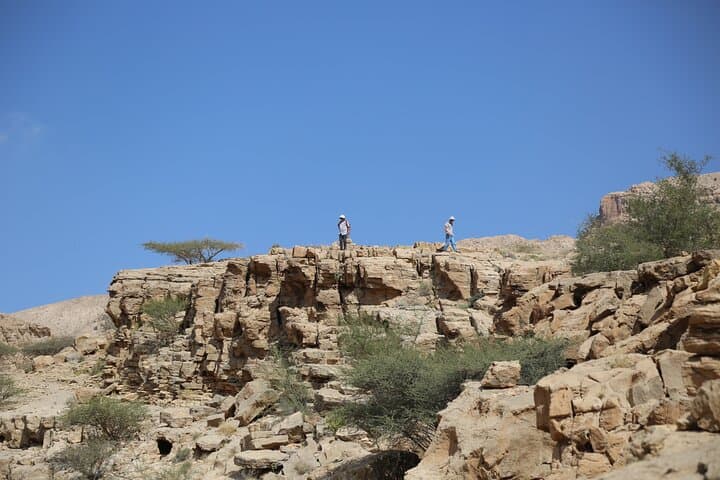
Culturally, expect brief encounters with local life—stops at a Bedouin house for coffee and dates, lunch in a village cafe—alongside geological features: caves, shaded pools, and expanses of shifting sand that host resilient desert flora.
Practical guidance: plan for an 8‑hour outing from Muscat with air‑conditioned transport and guided dune driving. Bring at least 2 liters of water per person, sun protection, and footwear that can handle sand and wet rock. Swim in pools where safe, but watch for slippery edges. Times to aim for are early morning or late afternoon in summer to avoid peak heat; winter mornings are cool and ideal for dune runs.
The route balances high‑octane dune bashing with low‑tempo exploration—swimming, cave peeking, and cultural stops—making it an accessible, varied desert day trip from Muscat.
easy.
8 hours.
Suitable for most fitness levels—requires short walks, getting in/out of a 4x4, and brief swims; no sustained hiking.
This is an approximately 8‑hour tour from Muscat and includes air‑conditioned transport and a local English‑speaking guide.
Yes—there are deep, clear pools suitable for swimming; use caution on slippery rocks and follow guide instructions about safe areas.
Dune driving can be bumpy; operators typically accommodate most ages but disclose passenger limits—ask about vehicle safety, seatbelts, and suitability when booking.
Lunch is optional and can be arranged at a local restaurant or cafe during the itinerary; bring snacks and plan for at least one meal stop if required.
Wahiba Sands has been home to Bedouin communities for generations; Wadi Bani Khalid’s springs supported settlements and irrigation channels historically important to local agriculture.
The dunes and wadi pools are fragile—stick to vehicle tracks, avoid disturbing plants and wildlife, and pack out all waste to minimize impact.
WikiTours Adventures operates guided outdoor trips and adventures with an emphasis on safety, stewardship, and memorable experiences.
The morning light flattens the dunes into broad stripes of gold as a convoy of 4x4s threads across Wahiba Sands, tires hissing on powdery sand. Wind scours ripples into the slopes, and the driver eases the vehicle over a lip—sudden elevation, a brief surge, then a quiet bowl where the sky widens. Later, the wadi opens: plunge pools ringed by palms and basalt cliffs, water so clear it dares you to step in.
The morning light flattens the dunes into broad stripes of gold as a convoy of 4x4s threads across Wahiba Sands, tires hissing on powdery sand. Wind scours ripples into the slopes, and the driver eases the vehicle over a lip—sudden elevation, a brief surge, then a quiet bowl where the sky widens. Later, the wadi opens: plunge pools ringed by palms and basalt cliffs, water so clear it dares you to step in.
This full‑day loop pairs two distinct Omani landscapes. Wahiba (Sharqiya) Sands is a sea of wind‑sculpted dunes that formed from Pleistocene and Holocene sands carried by coastal currents and winds; it’s also the ancestral range of Oman’s Bedouin tribes. Wadi Bani Khalid is a perennial wadi fed by underground springs and fractured limestone, a small oasis carved where faults and runoff collect.
Culturally, expect brief encounters with local life—stops at a Bedouin house for coffee and dates, lunch in a village cafe—alongside geological features: caves, shaded pools, and expanses of shifting sand that host resilient desert flora.
Practical guidance: plan for an 8‑hour outing from Muscat with air‑conditioned transport and guided dune driving. Bring at least 2 liters of water per person, sun protection, and footwear that can handle sand and wet rock. Swim in pools where safe, but watch for slippery edges. Times to aim for are early morning or late afternoon in summer to avoid peak heat; winter mornings are cool and ideal for dune runs.
The route balances high‑octane dune bashing with low‑tempo exploration—swimming, cave peeking, and cultural stops—making it an accessible, varied desert day trip from Muscat.