THE ADVENTURE COLLECTIVE® · Independent discovery and booking for outdoor travel

Ride camels over the sculpted Wahiba Sands, sleep in a private Bedouin tent, and watch sunrise rework the dunes. This two-day private camp blends traditional Omani hospitality with simple comforts for an immersive desert stay.
Ride camels over the sculpted Wahiba Sands, sleep in a private Bedouin tent, and watch sunrise rework the dunes. This two-day private camp blends traditional Omani hospitality with simple comforts for an immersive desert stay.
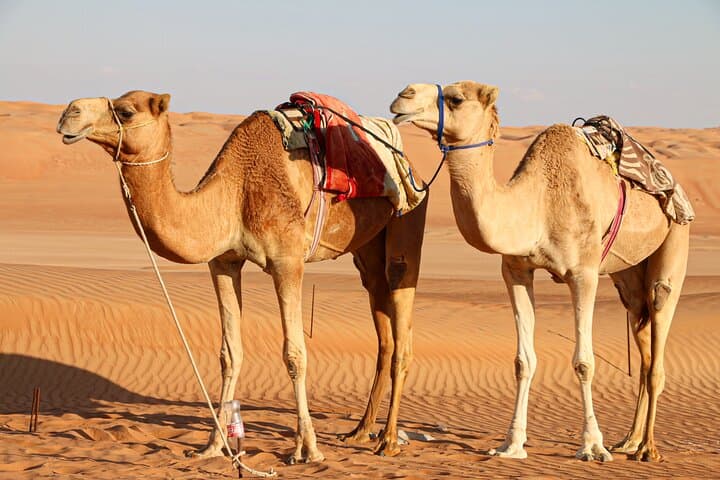
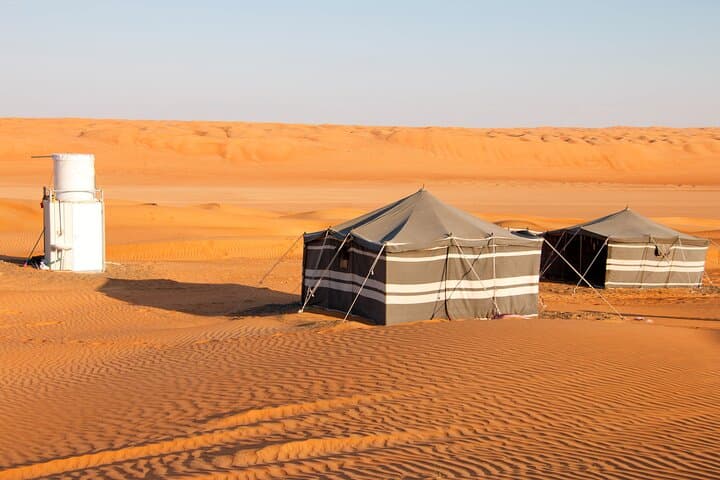
You arrive as the sun tilts gold across the Wahiba dunes: wind-sculpted ridges rise and fall like slow breaths, and a caravan of camels leads you up to a private Bedouin tent pitched on a crest. The first camel steps across hot sand with an easy, patient rhythm; the desert answers with silence and a sky that pushes itself wide.
Verified experiences and guided adventures in the surrounding area.
Operated by Bediyah Safari Tours · Bidiyah, Ash Sharqiyah
You arrive as the sun tilts gold across the Wahiba dunes: wind-sculpted ridges rise and fall like slow breaths, and a caravan of camels leads you up to a private Bedouin tent pitched on a crest. The first camel steps across hot sand with an easy, patient rhythm; the desert answers with silence and a sky that pushes itself wide.
The Wahiba Sands (Ramlat al-Wahiba) have long been a corridor for Bedouin life—nomadic communities adapted to the scale of dunes, seasonal wells, and grazing pockets between ridges. Geologically, the area is young sand sea: wind-picked quartz and shell fragments create dunes that shift by meters each year. Culturally, families here preserve hospitality practices—Omani coffee, dates, shared meals—and modern comforts are often blended with tradition in private camps.
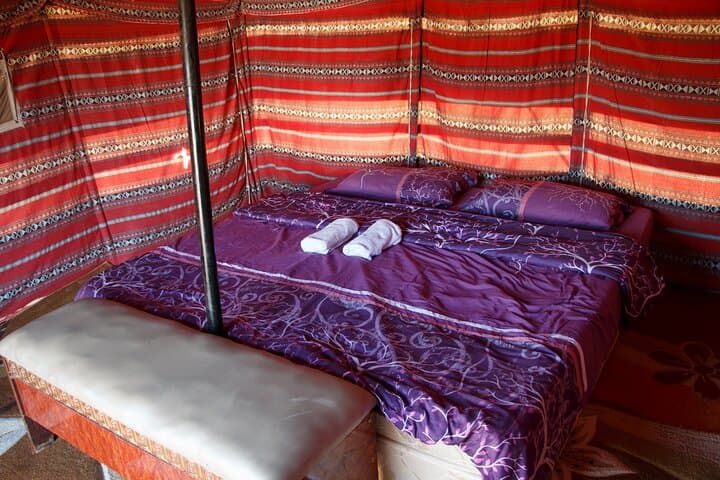
Expect two hours on camel back through soft sand, a tent with beds, a communal fire, a cooked traditional dinner, and a dawn that redraws the horizon. Nights are cold; daytime is intense sun. Activities on day two include light animal feeding and a 4x4 transfer back.
Practical guidance: book for late afternoon arrival to catch sunset, carry at least 2–3 liters of water per person, and wear closed-toe shoes for dune traverses. Bring layered clothing—temperatures swing—and a headlamp for toilet and tent access after dark. Respect local customs: modest clothing in villages and during exchanges. The experience is low-impact when you stick to marked paths, pack out waste, and follow host guidance. The desert is patient; move with it, and it will reveal quiet rewards.
moderate.
2 days (approximately 48 hours).
Suitable for travelers in general good health who can mount a camel and manage short walks on sand; not strenuous but requires balance.
The two-hour camel ride is gentle and paced for comfort; some people find mounting awkward but hosts assist and the pace is steady rather than fast.
Private Bedouin tents include beds and basic linens; facilities typically include a simple shower and toilet near the camp, though standards vary by host.
Traditional Omani meals are served; hosts can often accommodate common dietary needs if informed at booking—declare allergies and preferences in advance.
Families are welcome and infant seats are available for transfers, but note that camel riding and late-night temperatures may not suit very young children—check with the operator.
The Wahiba Sands are historically home to Omani Bedouin who moved seasonally between grazing grounds, wells, and coastal trade routes; many families still maintain traditional crafts and hospitality.
Stick to the host’s designated routes, pack out all waste, and avoid disturbing plants and nocturnal wildlife—small actions help protect fragile dune ecosystems.
Bediyah Safari Tours operates guided outdoor trips and adventures with an emphasis on safety, stewardship, and memorable experiences.

You arrive as the sun tilts gold across the Wahiba dunes: wind-sculpted ridges rise and fall like slow breaths, and a caravan of camels leads you up to a private Bedouin tent pitched on a crest. The first camel steps across hot sand with an easy, patient rhythm; the desert answers with silence and a sky that pushes itself wide.
You arrive as the sun tilts gold across the Wahiba dunes: wind-sculpted ridges rise and fall like slow breaths, and a caravan of camels leads you up to a private Bedouin tent pitched on a crest. The first camel steps across hot sand with an easy, patient rhythm; the desert answers with silence and a sky that pushes itself wide.
The Wahiba Sands (Ramlat al-Wahiba) have long been a corridor for Bedouin life—nomadic communities adapted to the scale of dunes, seasonal wells, and grazing pockets between ridges. Geologically, the area is young sand sea: wind-picked quartz and shell fragments create dunes that shift by meters each year. Culturally, families here preserve hospitality practices—Omani coffee, dates, shared meals—and modern comforts are often blended with tradition in private camps.
Expect two hours on camel back through soft sand, a tent with beds, a communal fire, a cooked traditional dinner, and a dawn that redraws the horizon. Nights are cold; daytime is intense sun. Activities on day two include light animal feeding and a 4x4 transfer back.
Practical guidance: book for late afternoon arrival to catch sunset, carry at least 2–3 liters of water per person, and wear closed-toe shoes for dune traverses. Bring layered clothing—temperatures swing—and a headlamp for toilet and tent access after dark. Respect local customs: modest clothing in villages and during exchanges. The experience is low-impact when you stick to marked paths, pack out waste, and follow host guidance. The desert is patient; move with it, and it will reveal quiet rewards.