THE ADVENTURE COLLECTIVE® · Independent discovery and booking for outdoor travel

Drive across rolling orange dunes, watch the sun fall behind a line of ripples, and meet Bedouin hosts who still move on camels. This short 4x4 sunset tour offers hands-on desert exposure with practical preparation tips for first-time desert travelers.
Drive across rolling orange dunes, watch the sun fall behind a line of ripples, and meet Bedouin hosts who still move on camels. This short 4x4 sunset tour offers hands-on desert exposure with practical preparation tips for first-time desert travelers.
You arrive as the light thins and the dunes take on slow, liquid shapes—ridges of sand that shift under wind like living terrain daring you to follow. Engines hum briefly; then silence returns as the sun drops, painting long shadows across the crestlines. The Wahiba Sands is both open stage and quiet teacher: the sand moves, the wind writes, and the Bedouin camps hold stories.
Verified experiences and guided adventures in the surrounding area.
Operated by starline · Bidiyah, Ash Sharqiyah
You arrive as the light thins and the dunes take on slow, liquid shapes—ridges of sand that shift under wind like living terrain daring you to follow. Engines hum briefly; then silence returns as the sun drops, painting long shadows across the crestlines. The Wahiba Sands is both open stage and quiet teacher: the sand moves, the wind writes, and the Bedouin camps hold stories.
Geologically the area is a vast erg—Ramlat al-Wahiba—formed by winds that have piled fine, orange sand into dunes up to 100 meters high. Historically this landscape has been home to the Bani Wahiba and other Bedouin groups whose camel routes and seasonal camps trace the desert’s resources. Cultural moments—Arabic coffee by a low fire, camel handlers moving between tents—are as much part of the trip as the dunes themselves.
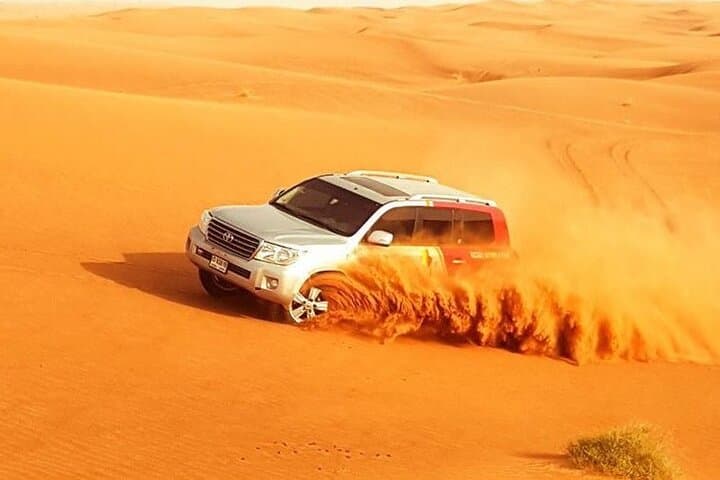
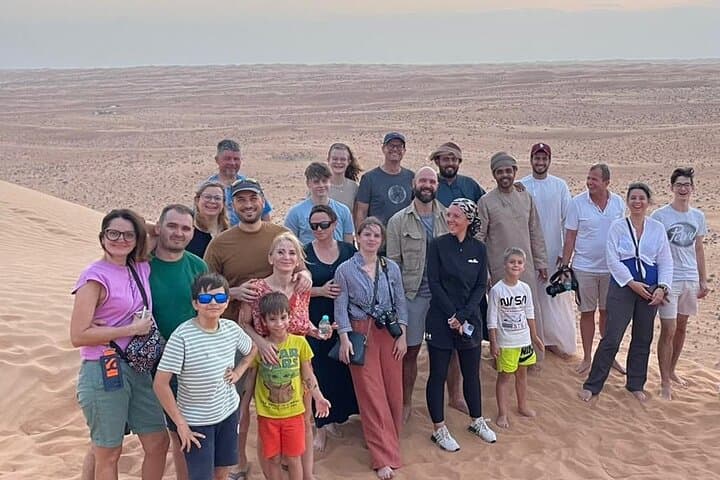
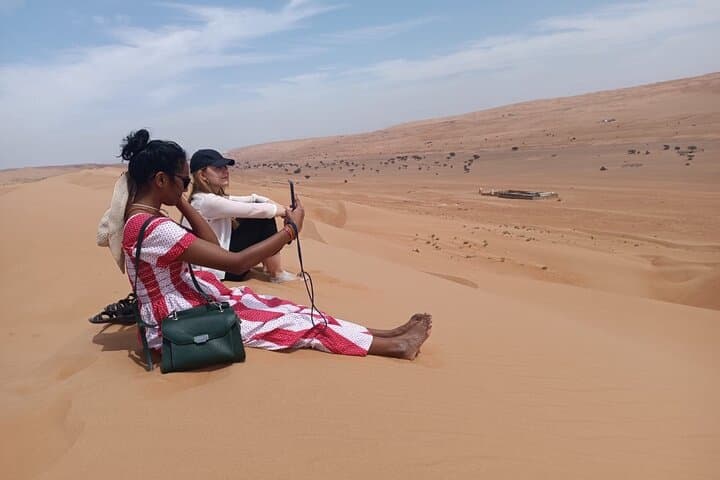
On a typical 4x4 sunset tour you’ll experience dune driving, short walks to high points, and a chance to meet Bedouin hosts. Expect coarse sand underfoot, sudden climbs up soft crests, and calm pockets where the desert seems to inhale. Timing matters: late afternoon offers cooler temperatures and the best light for photos. Hydration and sun protection are non-negotiable—the sun reflects strongly off the sand even when it’s late.
Practical tips: wear closed-toe shoes with grip, bring at least 2 liters of water, and pack a light layer for post-sunset breezes. If you’re prone to motion sickness, choose a seat toward the center of the vehicle. Respect private camps and ask before photographing people or livestock. Follow your guide’s route; wheel tracks minimize disturbance and help preserve fragile dune vegetation for future travelers.
moderate.
2 hours.
Moderate fitness—able to walk short distances on soft sand and climb dune crests; not suitable for those with serious mobility issues.
Driving from Muscat to the edge of the Wahiba Sands takes about 2–3 hours depending on your exact start point and traffic; many tours operate with hotel pickup in Muscat.
When led by experienced drivers in 4x4 vehicles it’s generally safe—follow seatbelt rules, listen to your guide, and avoid standing in the vehicle while moving.
Independent walking is possible but not recommended for unfamiliar travelers—soft sand is tiring, navigation can be disorienting, and weather can change quickly; go with a guide or a group.
Facilities are basic or absent on the dunes. Bedouin camps may offer simple amenities; plan for limited toilet access and bring hand sanitizer and tissues.
The Wahiba Sands have long been home to Bani Wahiba and other Bedouin tribes whose seasonal movements and camel routes shaped trade and social life in eastern Oman.
Dune ecosystems are fragile—stick to vehicle tracks, avoid disturbing native plants, and take all waste with you to minimize impact.
starline operates guided outdoor trips and adventures with an emphasis on safety, stewardship, and memorable experiences.
You arrive as the light thins and the dunes take on slow, liquid shapes—ridges of sand that shift under wind like living terrain daring you to follow. Engines hum briefly; then silence returns as the sun drops, painting long shadows across the crestlines. The Wahiba Sands is both open stage and quiet teacher: the sand moves, the wind writes, and the Bedouin camps hold stories.
You arrive as the light thins and the dunes take on slow, liquid shapes—ridges of sand that shift under wind like living terrain daring you to follow. Engines hum briefly; then silence returns as the sun drops, painting long shadows across the crestlines. The Wahiba Sands is both open stage and quiet teacher: the sand moves, the wind writes, and the Bedouin camps hold stories.
Geologically the area is a vast erg—Ramlat al-Wahiba—formed by winds that have piled fine, orange sand into dunes up to 100 meters high. Historically this landscape has been home to the Bani Wahiba and other Bedouin groups whose camel routes and seasonal camps trace the desert’s resources. Cultural moments—Arabic coffee by a low fire, camel handlers moving between tents—are as much part of the trip as the dunes themselves.
On a typical 4x4 sunset tour you’ll experience dune driving, short walks to high points, and a chance to meet Bedouin hosts. Expect coarse sand underfoot, sudden climbs up soft crests, and calm pockets where the desert seems to inhale. Timing matters: late afternoon offers cooler temperatures and the best light for photos. Hydration and sun protection are non-negotiable—the sun reflects strongly off the sand even when it’s late.
Practical tips: wear closed-toe shoes with grip, bring at least 2 liters of water, and pack a light layer for post-sunset breezes. If you’re prone to motion sickness, choose a seat toward the center of the vehicle. Respect private camps and ask before photographing people or livestock. Follow your guide’s route; wheel tracks minimize disturbance and help preserve fragile dune vegetation for future travelers.