THE ADVENTURE COLLECTIVE® · Independent discovery and booking for outdoor travel

A two‑day trek from Labuan Bajo to Wae Rebo rewards hikers with traditional Mbaru Niang houses, dense montane forest, and a simple overnight with the Manggarai community. Expect 3–4 hours of uphill hiking from Denge and no mobile signal once you reach the village.
A two‑day trek from Labuan Bajo to Wae Rebo rewards hikers with traditional Mbaru Niang houses, dense montane forest, and a simple overnight with the Manggarai community. Expect 3–4 hours of uphill hiking from Denge and no mobile signal once you reach the village.
You crest a ridge and the village unfurls below: seven cone‑shaped Mbaru Niang houses rise like wooden beehives against a bowl of steep ridgelines and green forest. The air is cooler here—Wae Rebo sits around 1,100 m—and the forest seems to breathe around you, orchids leaning out and birds piping encouragement as you descend toward the village.
Verified experiences and guided adventures in the surrounding area.
Operated by PT.WAHYU MANDIRI TOUR · Denge (Wae Rebo), East Nusa Tenggara
You crest a ridge and the village unfurls below: seven cone‑shaped Mbaru Niang houses rise like wooden beehives against a bowl of steep ridgelines and green forest. The air is cooler here—Wae Rebo sits around 1,100 m—and the forest seems to breathe around you, orchids leaning out and birds piping encouragement as you descend toward the village.
Wae Rebo is a living Manggarai settlement whose Mbaru Niang architecture dates to pre-colonial Flores and reflects communal life and kinship. The hamlet perches within the Todo Forest, a volcanic highland of fertile soils and steep limestone ridges that channel mist and rain into hanging ferns and orchids. Culture is tangible: houses are shared, meals communal, and electricity is available only a few evening hours; mobile signal disappears at the last viewpoint.
Expect a 3‑4 hour uphill trek from Denge after a roughly 3‑hour drive from Labuan Bajo. Trails range from well‑trodden dirt to rocky, root‑studded pitch; elevation gain is gradual but sustained. Nights are simple—sleeping in a longhouse with locals on thin mats—so pack a warm layer and modesty for village life. Bring a headlamp, water (or a reliable filter), and sturdy boots for slippery sections. Plan for variable weather: morning mist, midday sun, and frequent tropical showers.
This is an immersive cultural trek: move respectfully, carry out all non‑organic waste, and arrive with enough physical preparation to enjoy the climb and the quiet reward of Wae Rebo’s communal circle of thatch and sky.
moderate.
2 days (3–4 hours trekking each way; total ~8–10 hours hiking).
Comfortable for hikers who do regular uphill walking and can handle uneven trails and full‑day activity.
Plan on approximately 3–4 hours each way over mixed dirt and rocky trails with some steep sections.
No—cellular signal typically ends before Pocoroko; Wae Rebo has effectively no mobile coverage.
Overnight stays are in a communal Mbaru Niang house on simple bedding; expect basic, shared facilities and communal meals.
The tour requires a minimum of two people per booking, according to the provider; check in advance for single‑traveler options.
Wae Rebo is a Manggarai traditional village where the cone‑shaped Mbaru Niang homes represent ancestral architecture and communal lineage practices.
The village limits electricity and access to protect cultural integrity; visitors should carry out waste, avoid single‑use plastics, and follow local guidance to minimize impact.
PT.WAHYU MANDIRI TOUR operates guided outdoor trips and adventures with an emphasis on safety, stewardship, and memorable experiences.
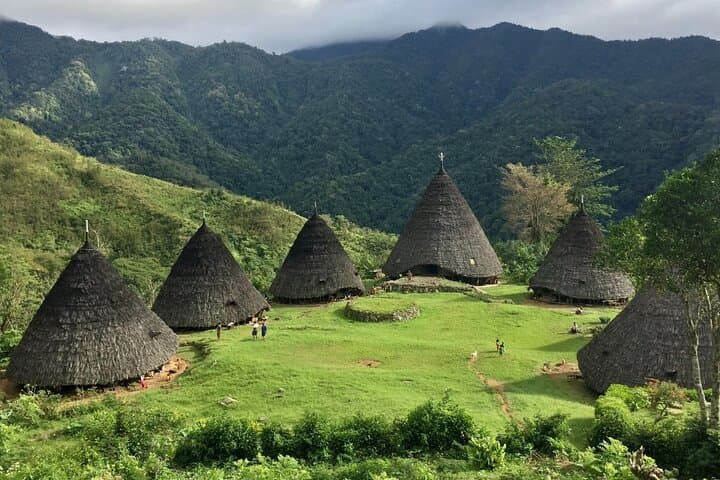

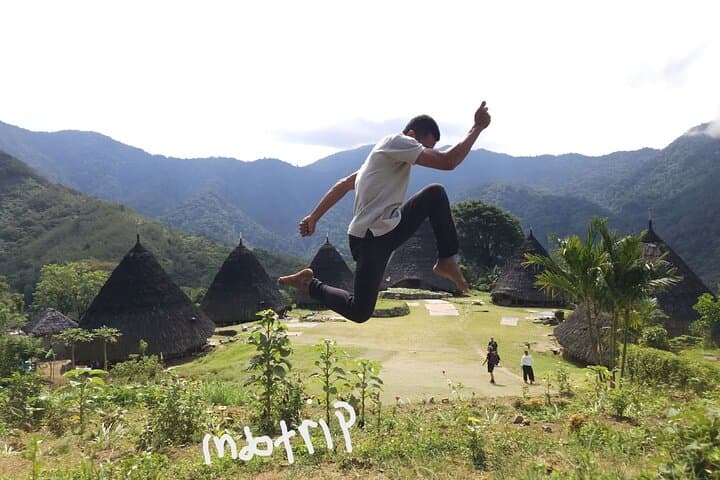
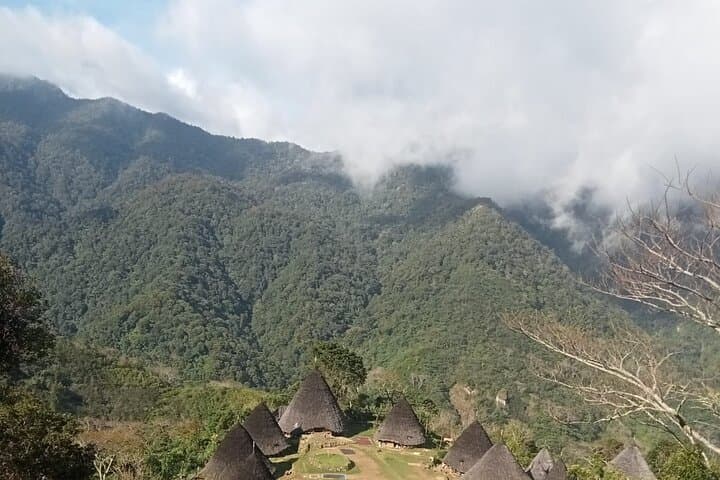
You crest a ridge and the village unfurls below: seven cone‑shaped Mbaru Niang houses rise like wooden beehives against a bowl of steep ridgelines and green forest. The air is cooler here—Wae Rebo sits around 1,100 m—and the forest seems to breathe around you, orchids leaning out and birds piping encouragement as you descend toward the village.
You crest a ridge and the village unfurls below: seven cone‑shaped Mbaru Niang houses rise like wooden beehives against a bowl of steep ridgelines and green forest. The air is cooler here—Wae Rebo sits around 1,100 m—and the forest seems to breathe around you, orchids leaning out and birds piping encouragement as you descend toward the village.
Wae Rebo is a living Manggarai settlement whose Mbaru Niang architecture dates to pre-colonial Flores and reflects communal life and kinship. The hamlet perches within the Todo Forest, a volcanic highland of fertile soils and steep limestone ridges that channel mist and rain into hanging ferns and orchids. Culture is tangible: houses are shared, meals communal, and electricity is available only a few evening hours; mobile signal disappears at the last viewpoint.
Expect a 3‑4 hour uphill trek from Denge after a roughly 3‑hour drive from Labuan Bajo. Trails range from well‑trodden dirt to rocky, root‑studded pitch; elevation gain is gradual but sustained. Nights are simple—sleeping in a longhouse with locals on thin mats—so pack a warm layer and modesty for village life. Bring a headlamp, water (or a reliable filter), and sturdy boots for slippery sections. Plan for variable weather: morning mist, midday sun, and frequent tropical showers.
This is an immersive cultural trek: move respectfully, carry out all non‑organic waste, and arrive with enough physical preparation to enjoy the climb and the quiet reward of Wae Rebo’s communal circle of thatch and sky.