THE ADVENTURE COLLECTIVE® · Independent discovery and booking for outdoor travel

Hike beneath towering limestone walls, swim through luminous pools to a hidden waterfall, then cool off again in the blue eye of Bimmah Sinkhole. This full-day private outing from Muscat blends coastal scenery, canyon geology, and a refreshing dose of Omani culture.
Hike beneath towering limestone walls, swim through luminous pools to a hidden waterfall, then cool off again in the blue eye of Bimmah Sinkhole. This full-day private outing from Muscat blends coastal scenery, canyon geology, and a refreshing dose of Omani culture.
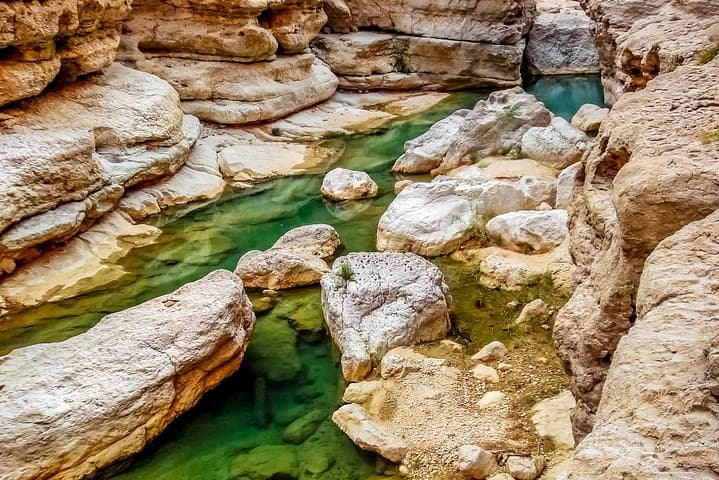
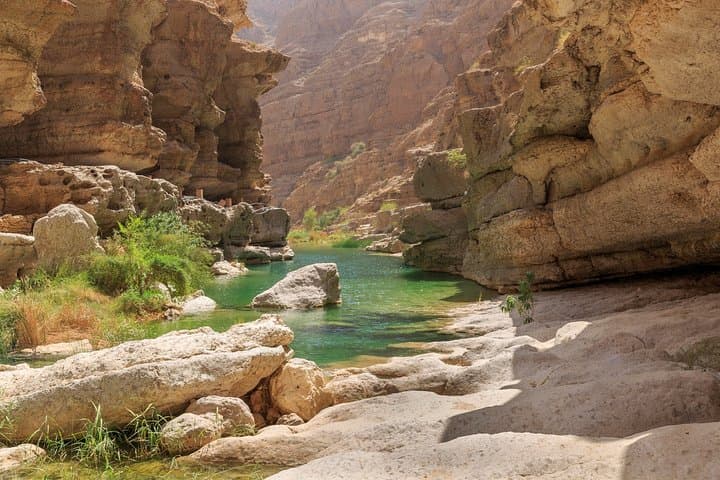
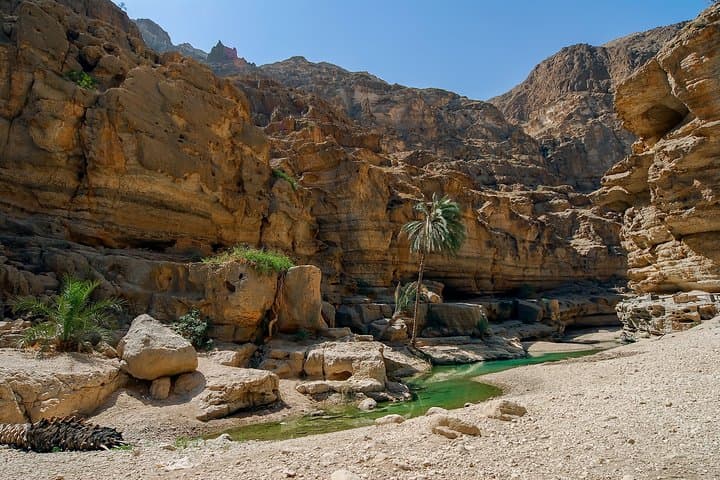
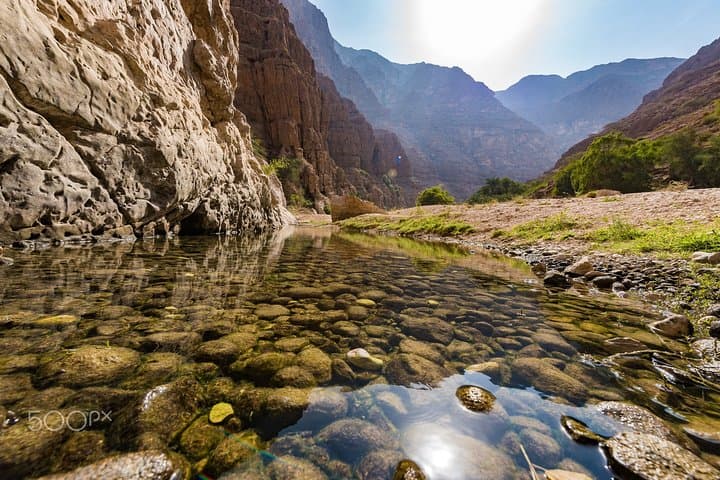
Dawn slips over Muscat’s corniche and the highway bends south, tracing the Gulf of Oman where cliffs lean toward the sea and fishing skiffs bob in protected coves. Quriyat passes in a blur of forts and palm groves before the mountains open to a cleft of green: Wadi Shab. The trail starts gently—gravel and sand underfoot, date palms whispering, a falaj channel murmuring beside you. The canyon narrows and the pools sharpen from jade to electric turquoise, daring you to step in. Water nudges ankles, then knees, then lifts you as the rock walls squeeze close and the final pool pulls you toward the secret cave.
Verified experiences and guided adventures in the surrounding area.
Operated by Pink Stone Travel & Tourism LLC · Tiwi, Ash Sharqiyah South
Dawn slips over Muscat’s corniche and the highway bends south, tracing the Gulf of Oman where cliffs lean toward the sea and fishing skiffs bob in protected coves. Quriyat passes in a blur of forts and palm groves before the mountains open to a cleft of green: Wadi Shab. The trail starts gently—gravel and sand underfoot, date palms whispering, a falaj channel murmuring beside you. The canyon narrows and the pools sharpen from jade to electric turquoise, daring you to step in. Water nudges ankles, then knees, then lifts you as the rock walls squeeze close and the final pool pulls you toward the secret cave.
Expect about 45 minutes of walking each way with a few easy stream crossings and light boulder-hopping. Inside the upper pools, swimming threads together short sections—cool water bracing in the shade, sunlit pockets warming the shoulders. At the back, a narrow keyhole ushers swimmers into a small cavern where a waterfall drums steadily, the wadi’s heartbeat pushing forward.
The landscape reads like a geology lesson you can wade through. The Hajar Mountains are limestone—water-soluble, fissured, and sculpted by seasonal floods. Over time, flash flows carved terraces, polished chutes, and potholes that now cradle the wadi’s clear pools. Downstream at Bimmah Sinkhole, a collapsed limestone roof reveals brackish water fed by underground channels and the nearby sea—half-salted, luminous, and perfectly circular, as if the earth exhaled and left a blue eye behind.
Culture layers in quietly. The aflaj irrigation channels you’ll see near Tiwi are part of a traditional water-sharing system recognized by UNESCO, still feeding date orchards and small farms. Along this coast, villages like Quriyat once guarded maritime trade routes; their forts kept watch while fishermen read the same currents you’ll swim.
On this private full-day tour, time is balanced: roughly 1.5 hours’ drive from Muscat to Wadi Shab, about three hours in the canyon to hike and swim, lunch at Wadi Shab Resort, then a scenic coastal drive past Finns’ white-sand beaches to Hawiyat Najm Park for a cool-down at Bimmah Sinkhole. It’s a moderate day—best for active travelers comfortable on uneven terrain and in water. Bring water shoes or sturdy sandals with grip, plenty of hydration, and a modest cover-up for village segments. In winter, water runs crisp; in summer, start early and let the canyon’s shade do its work. The wadi invites, the pools encourage, and the coast delivers a final flourish before the smooth ride back to Muscat.
moderate.
8 hours.
Comfortable walking 5–6 km round-trip on uneven terrain with short swims; able to manage light scrambling.
Plan for about 45 minutes each way with a few shallow stream crossings and short scrambling sections; total walking distance is roughly 5–6 km round-trip.
You should be comfortable swimming short sections in calm water to reach the cave—many guests use a floating aid and skip the farthest pool if preferred.
Active kids who enjoy walking and swimming generally do well; guardians should closely supervise near deep pools and slippery rocks.
Standard swimwear is fine; wearing a T-shirt or rash guard over it is respectful around popular pools and village areas.
Basic restrooms are available at trailheads and parks; bring your own drinking water and snacks for the hike portion.
Mornings are cooler and less crowded in the wadi; midday light makes the water glow for photos, and late afternoon softens colors at Bimmah Sinkhole.
Quriyat’s coastal fort once guarded maritime routes linking Muscat to Sur, while villages here relied on aflaj—traditional irrigation lines now recognized by UNESCO—for water-sharing and agriculture.
Carry out all trash, avoid cliff jumping that damages fragile ledges, and use reef-safe sunscreen to keep the pools clear. Postpone visits during rain to reduce risk and prevent strain on rescue services.
Pink Stone Travel & Tourism LLC operates guided outdoor trips and adventures with an emphasis on safety, stewardship, and memorable experiences.
Dawn slips over Muscat’s corniche and the highway bends south, tracing the Gulf of Oman where cliffs lean toward the sea and fishing skiffs bob in protected coves. Quriyat passes in a blur of forts and palm groves before the mountains open to a cleft of green: Wadi Shab. The trail starts gently—gravel and sand underfoot, date palms whispering, a falaj channel murmuring beside you. The canyon narrows and the pools sharpen from jade to electric turquoise, daring you to step in. Water nudges ankles, then knees, then lifts you as the rock walls squeeze close and the final pool pulls you toward the secret cave.
Dawn slips over Muscat’s corniche and the highway bends south, tracing the Gulf of Oman where cliffs lean toward the sea and fishing skiffs bob in protected coves. Quriyat passes in a blur of forts and palm groves before the mountains open to a cleft of green: Wadi Shab. The trail starts gently—gravel and sand underfoot, date palms whispering, a falaj channel murmuring beside you. The canyon narrows and the pools sharpen from jade to electric turquoise, daring you to step in. Water nudges ankles, then knees, then lifts you as the rock walls squeeze close and the final pool pulls you toward the secret cave.
Expect about 45 minutes of walking each way with a few easy stream crossings and light boulder-hopping. Inside the upper pools, swimming threads together short sections—cool water bracing in the shade, sunlit pockets warming the shoulders. At the back, a narrow keyhole ushers swimmers into a small cavern where a waterfall drums steadily, the wadi’s heartbeat pushing forward.
The landscape reads like a geology lesson you can wade through. The Hajar Mountains are limestone—water-soluble, fissured, and sculpted by seasonal floods. Over time, flash flows carved terraces, polished chutes, and potholes that now cradle the wadi’s clear pools. Downstream at Bimmah Sinkhole, a collapsed limestone roof reveals brackish water fed by underground channels and the nearby sea—half-salted, luminous, and perfectly circular, as if the earth exhaled and left a blue eye behind.
Culture layers in quietly. The aflaj irrigation channels you’ll see near Tiwi are part of a traditional water-sharing system recognized by UNESCO, still feeding date orchards and small farms. Along this coast, villages like Quriyat once guarded maritime trade routes; their forts kept watch while fishermen read the same currents you’ll swim.
On this private full-day tour, time is balanced: roughly 1.5 hours’ drive from Muscat to Wadi Shab, about three hours in the canyon to hike and swim, lunch at Wadi Shab Resort, then a scenic coastal drive past Finns’ white-sand beaches to Hawiyat Najm Park for a cool-down at Bimmah Sinkhole. It’s a moderate day—best for active travelers comfortable on uneven terrain and in water. Bring water shoes or sturdy sandals with grip, plenty of hydration, and a modest cover-up for village segments. In winter, water runs crisp; in summer, start early and let the canyon’s shade do its work. The wadi invites, the pools encourage, and the coast delivers a final flourish before the smooth ride back to Muscat.