THE ADVENTURE COLLECTIVE® · Independent discovery and booking for outdoor travel

Two days of canyon hikes, emerald pools, and an overnight under desert stars—this private Muscat tour combines Wadi Shab’s limestone gorges with the towering dunes of Wahiba Sands. Expect moderate hikes, cultural stops, and a sunrise from the dunes.
Two days of canyon hikes, emerald pools, and an overnight under desert stars—this private Muscat tour combines Wadi Shab’s limestone gorges with the towering dunes of Wahiba Sands. Expect moderate hikes, cultural stops, and a sunrise from the dunes.
The day begins before dawn as a 4x4 slips out of Muscat and the road thins into the spine of eastern Oman. Light slips across limestone shoulders and the air cools; by midmorning hikers stand at the mouth of Wadi Shab where a narrow canyon cuts toward the sea. Palm trunks lean like old hands and the stream dares you to follow it into pools of clear water and short climbs between rock shelves.
Verified experiences and guided adventures in the surrounding area.
Operated by Oman Wahiba Sands Desert Tours · Muscat, Muscat Governorate
The day begins before dawn as a 4x4 slips out of Muscat and the road thins into the spine of eastern Oman. Light slips across limestone shoulders and the air cools; by midmorning hikers stand at the mouth of Wadi Shab where a narrow canyon cuts toward the sea. Palm trunks lean like old hands and the stream dares you to follow it into pools of clear water and short climbs between rock shelves.
These landscapes record both human and geological stories: uplifted limestones from an ancient seabed, terraced date plantations fed by falaj irrigation, and coastal sinkholes formed where seawater met soluble rock. Wadi Tiwi and Bimmah Sinkhole make quick photo stops—each a textbook example of karst and coastal erosion—before the route runs inland toward the Sharqiya (Wahiba) Sands, home to red-orange dunes that shift with seasonal winds.
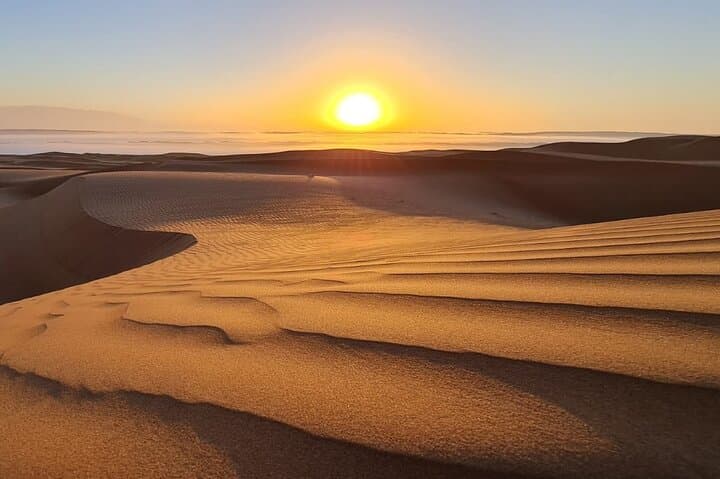
Cultural moments punctuate the tour: a Bedouin coffee offer, dates, and the chance to sleep in a desert camp beneath a wide, starry sky. Sunrise on a dune is practical as well as poetic—light reveals dune ridges and makes the route back to camp simple.
Practical guidance: bring sturdy trail shoes for rocky wadi terrain, a daypack with water and swimwear for Wadi Shab’s pools, and sun protection for long dune exposures. Expect moderate hiking (several short scrambles and a 30–45 minute canyon walk one-way) and an overnight in a desert camp with basic amenities. Timing visits for cooler months improves comfort and swimming opportunity.
moderate.
24–30 hours.
Moderate fitness: able to hike 30–45 minutes over uneven terrain, handle short scrambles and walk on sand dunes.
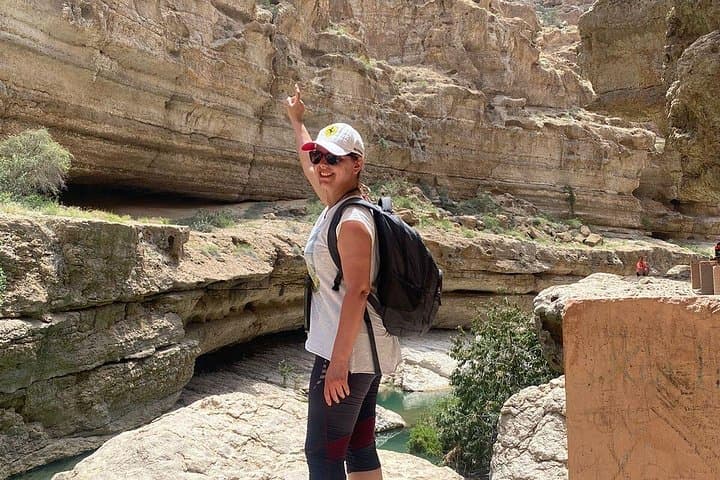
Expect a 30–45 minute walk through the canyon one-way with some river crossings and easy scrambles over rock shelves to reach the pools.
Overnight stays are in a desert camp with basic accommodations; expect simple beds, shared facilities in some camps, and hot meals included.
Yes—Wadi Bani Khalid has large emerald pools suitable for swimming; bring swimwear and a towel.
Not recommended for travelers with spinal, heart issues, or pregnancy due to uneven terrain and off-road desert travel; children should be supervised during water and dune activities.
The region’s wadis formed where uplifted marine limestones were cut by river action; falaj irrigation systems have supported coastal agriculture for centuries and Omani coastal villages have long traded via small dhows.
Stick to marked routes, avoid leaving rubbish in wadis and camps, and use refillable water bottles to reduce plastic; dunes are sensitive—avoid driving across stabilized areas.
Oman Wahiba Sands Desert Tours operates guided outdoor trips and adventures with an emphasis on safety, stewardship, and memorable experiences.
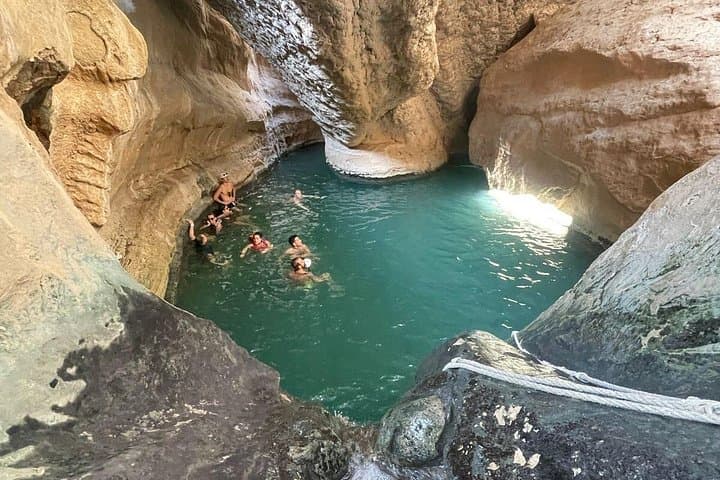
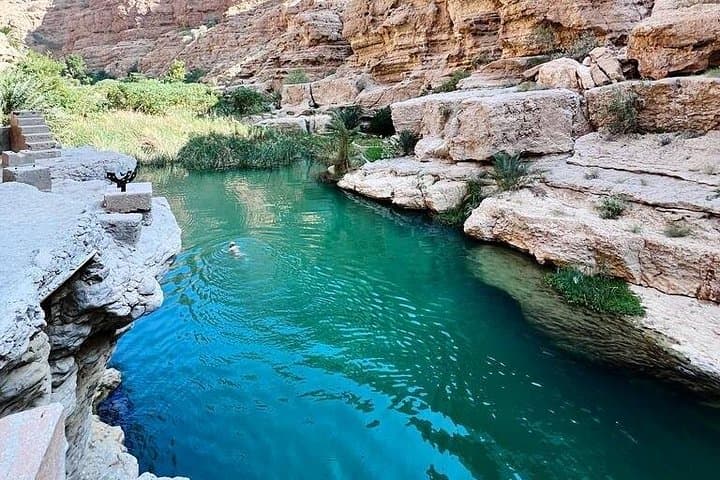
The day begins before dawn as a 4x4 slips out of Muscat and the road thins into the spine of eastern Oman. Light slips across limestone shoulders and the air cools; by midmorning hikers stand at the mouth of Wadi Shab where a narrow canyon cuts toward the sea. Palm trunks lean like old hands and the stream dares you to follow it into pools of clear water and short climbs between rock shelves.
The day begins before dawn as a 4x4 slips out of Muscat and the road thins into the spine of eastern Oman. Light slips across limestone shoulders and the air cools; by midmorning hikers stand at the mouth of Wadi Shab where a narrow canyon cuts toward the sea. Palm trunks lean like old hands and the stream dares you to follow it into pools of clear water and short climbs between rock shelves.
These landscapes record both human and geological stories: uplifted limestones from an ancient seabed, terraced date plantations fed by falaj irrigation, and coastal sinkholes formed where seawater met soluble rock. Wadi Tiwi and Bimmah Sinkhole make quick photo stops—each a textbook example of karst and coastal erosion—before the route runs inland toward the Sharqiya (Wahiba) Sands, home to red-orange dunes that shift with seasonal winds.
Cultural moments punctuate the tour: a Bedouin coffee offer, dates, and the chance to sleep in a desert camp beneath a wide, starry sky. Sunrise on a dune is practical as well as poetic—light reveals dune ridges and makes the route back to camp simple.
Practical guidance: bring sturdy trail shoes for rocky wadi terrain, a daypack with water and swimwear for Wadi Shab’s pools, and sun protection for long dune exposures. Expect moderate hiking (several short scrambles and a 30–45 minute canyon walk one-way) and an overnight in a desert camp with basic amenities. Timing visits for cooler months improves comfort and swimming opportunity.