THE ADVENTURE COLLECTIVE® · Independent discovery and booking for outdoor travel

Head inland from Muscat into a rugged network of canyons to reach Wadi Sahtan’s secluded “mandoos” — a bowl-like pool sealed by cliffs. This full-day 4x4 excursion combines short scrambles, scenic stops, and a picnic by the water.
Head inland from Muscat into a rugged network of canyons to reach Wadi Sahtan’s secluded “mandoos” — a bowl-like pool sealed by cliffs. This full-day 4x4 excursion combines short scrambles, scenic stops, and a picnic by the water.
You rumble out of Muscat before dawn, the highway giving way to folded rock and scrub as the 4x4 turns onto narrow tracks. Dust hangs in the air; palms and tamarisk fringe the lower slopes. By mid-morning the valley narrows, and you drop into pools and steep-walled gorges that force slow, deliberate steps — the Sahtan Bowl, known locally as the “mandoos” or Chest of Oman, sits sealed by cliffs and silence.
Verified experiences and guided adventures in the surrounding area.
Operated by Oman Day Tours · Rustaq, Al Batinah South
You rumble out of Muscat before dawn, the highway giving way to folded rock and scrub as the 4x4 turns onto narrow tracks. Dust hangs in the air; palms and tamarisk fringe the lower slopes. By mid-morning the valley narrows, and you drop into pools and steep-walled gorges that force slow, deliberate steps — the Sahtan Bowl, known locally as the “mandoos” or Chest of Oman, sits sealed by cliffs and silence.
Geology here is raw: layered limestone and volcanic intrusions carved by seasonal floods, producing plunge pools and chutes that concentrate water in secluded basins. Historically these wadis were lifelines for inland trade and seasonal farming; nearby forts and falaj channels speak to centuries of water management and tribal movement across the interior.
Culturally the trip threads through small settlements and a landscape of date palms and terraced plots; guides often point out ruins and explain how locals read the seasons. Expect photo-rich stops, a picnic beside a pool, and short stretches of easy scrambling over smooth rock.
Practical guidance: bring sturdy shoes with grip, a full water bottle, sun protection, and a light pack for cameras and snacks. Temperatures spike in summer; aim for a winter or spring visit for cooler hiking. The route is driven in a convoy of 4x4s on rough tracks; mobility is part of the experience. Respect poolside vegetation, avoid cliff-edge shortcuts, and follow your guide’s route — the wadi’s remoteness is what makes it special, and also fragile.
moderate.
7–8 hours.
Suitable for people with basic fitness who can walk short uneven sections and handle light scrambling; the trip includes long vehicle transfers.
Expect a 7–8 hour round-trip including driving time, stops, and a picnic — most operators provide hotel pickup and drop-off.
No — vehicles and drivers provided; passengers should be comfortable with rough, unpaved tracks and occasional bumpy sections.
Swimming is possible in some pools but depends on safety and local rules that your guide will advise on; avoid contaminating small water sources.
The tour is suitable for most ages but requires climbing over rocks and uneven ground; infants and those with limited mobility may find sections difficult.
Wadis in this corridor supported seasonal agriculture and caravan movement; falaj irrigation and nearby forts reflect centuries of local water management and defense.
Wadi pools are fragile ecosystems — pack out waste, avoid trampling vegetation near water, and follow guides to limit erosion and disturbance.
Oman Day Tours operates guided outdoor trips and adventures with an emphasis on safety, stewardship, and memorable experiences.
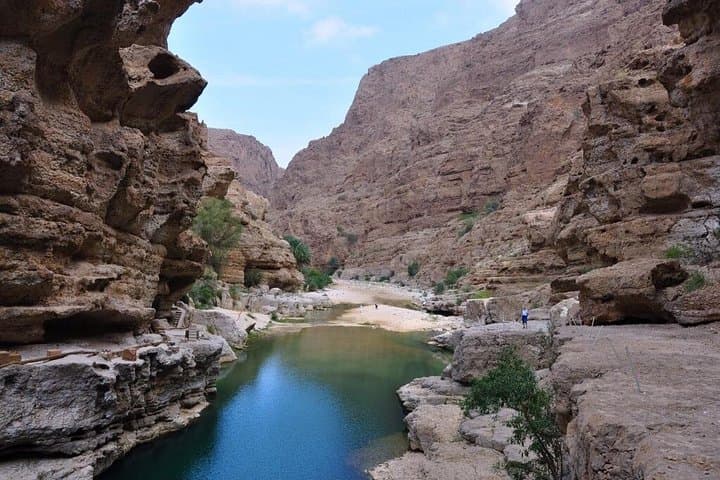
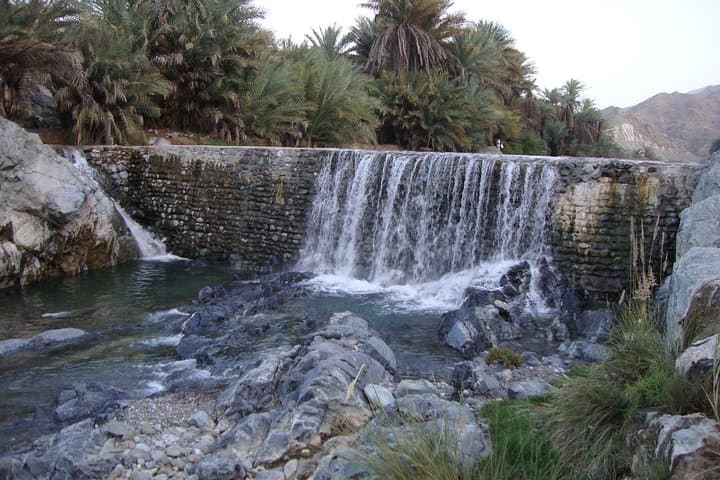
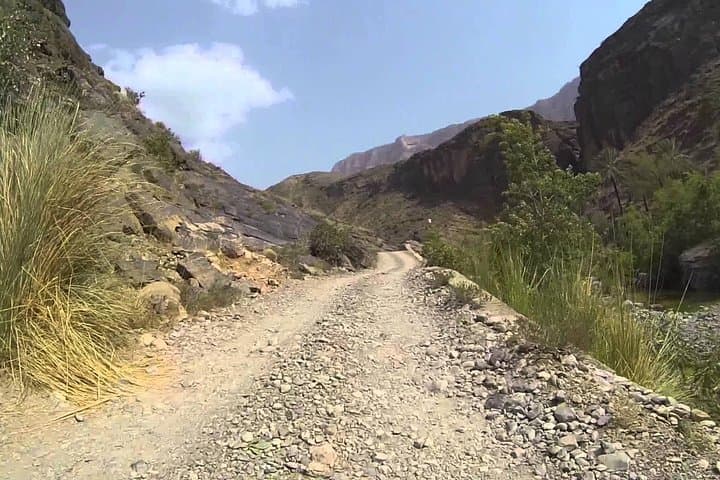
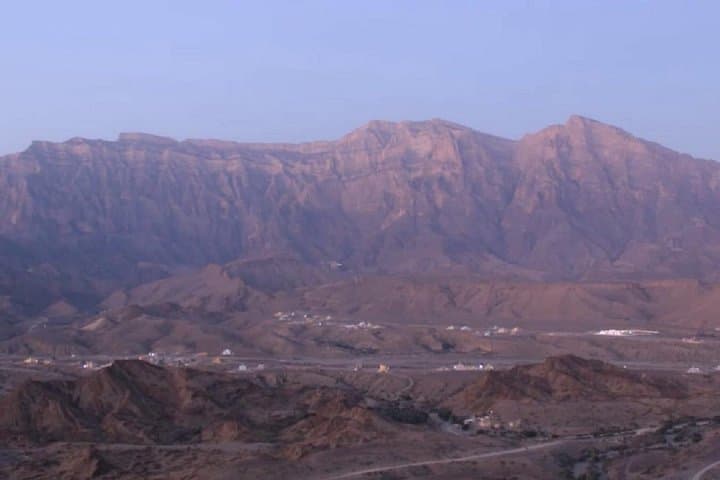
You rumble out of Muscat before dawn, the highway giving way to folded rock and scrub as the 4x4 turns onto narrow tracks. Dust hangs in the air; palms and tamarisk fringe the lower slopes. By mid-morning the valley narrows, and you drop into pools and steep-walled gorges that force slow, deliberate steps — the Sahtan Bowl, known locally as the “mandoos” or Chest of Oman, sits sealed by cliffs and silence.
You rumble out of Muscat before dawn, the highway giving way to folded rock and scrub as the 4x4 turns onto narrow tracks. Dust hangs in the air; palms and tamarisk fringe the lower slopes. By mid-morning the valley narrows, and you drop into pools and steep-walled gorges that force slow, deliberate steps — the Sahtan Bowl, known locally as the “mandoos” or Chest of Oman, sits sealed by cliffs and silence.
Geology here is raw: layered limestone and volcanic intrusions carved by seasonal floods, producing plunge pools and chutes that concentrate water in secluded basins. Historically these wadis were lifelines for inland trade and seasonal farming; nearby forts and falaj channels speak to centuries of water management and tribal movement across the interior.
Culturally the trip threads through small settlements and a landscape of date palms and terraced plots; guides often point out ruins and explain how locals read the seasons. Expect photo-rich stops, a picnic beside a pool, and short stretches of easy scrambling over smooth rock.
Practical guidance: bring sturdy shoes with grip, a full water bottle, sun protection, and a light pack for cameras and snacks. Temperatures spike in summer; aim for a winter or spring visit for cooler hiking. The route is driven in a convoy of 4x4s on rough tracks; mobility is part of the experience. Respect poolside vegetation, avoid cliff-edge shortcuts, and follow your guide’s route — the wadi’s remoteness is what makes it special, and also fragile.