THE ADVENTURE COLLECTIVE® · Independent discovery and booking for outdoor travel

A brisk 2‑hour Jeep loop through Wadi Rum’s red dunes, rock bridges and ancient inscriptions, finished with Bedouin tea at a sunset viewpoint. Short walks from the vehicle deliver high-impact desert scenery and cultural encounters.
A brisk 2‑hour Jeep loop through Wadi Rum’s red dunes, rock bridges and ancient inscriptions, finished with Bedouin tea at a sunset viewpoint. Short walks from the vehicle deliver high-impact desert scenery and cultural encounters.
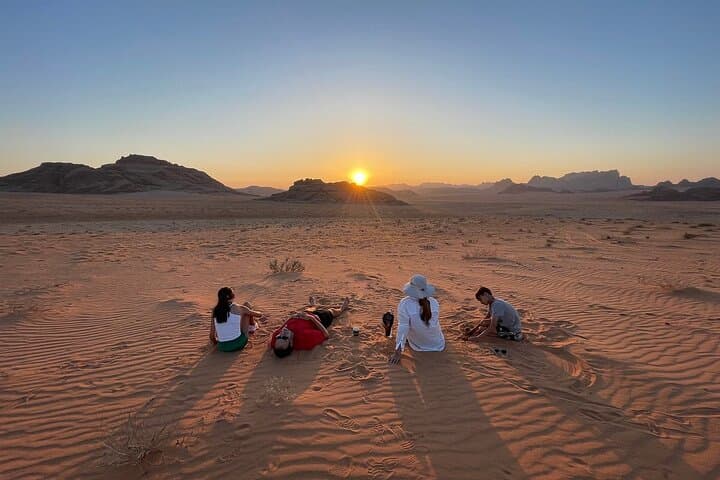
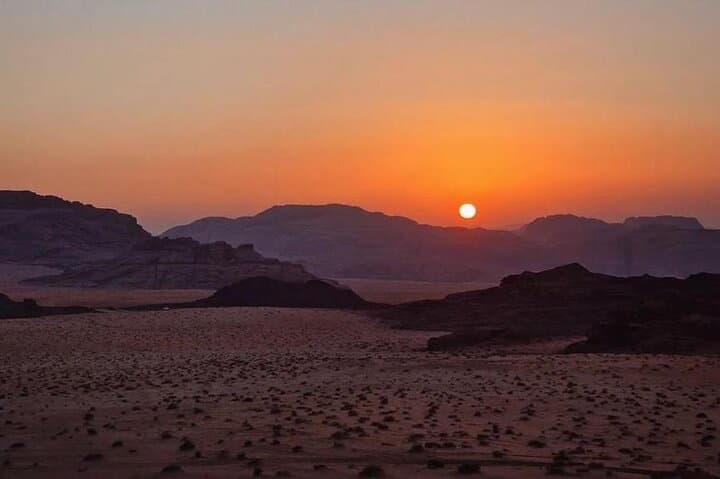
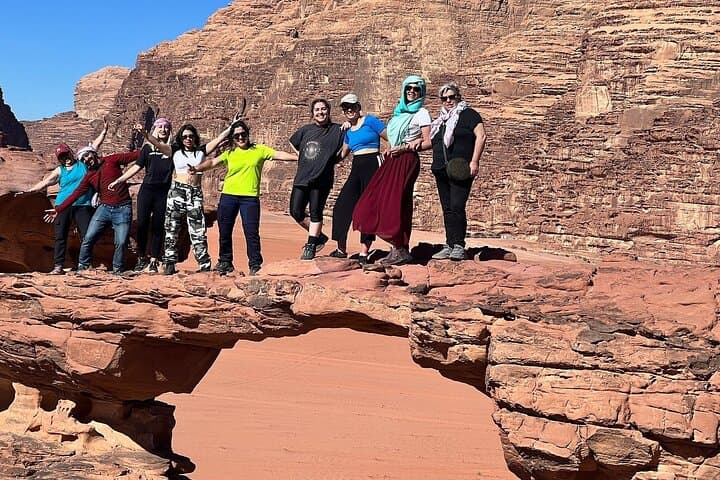
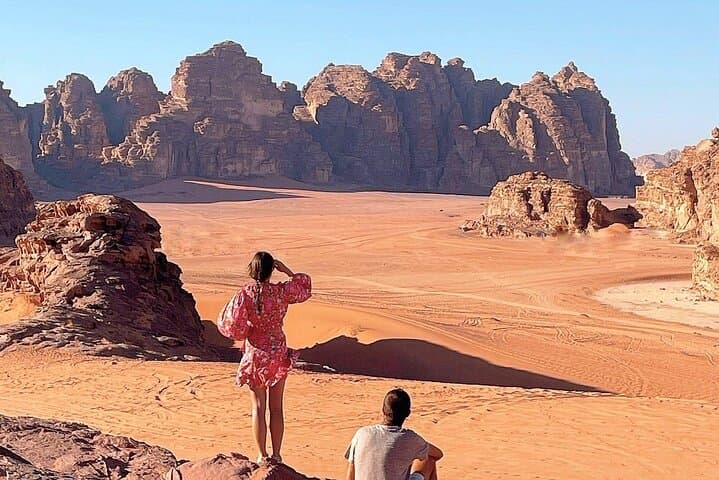
The jeep crunches across iron-red sand as the sun lowers, casting long shadows from the sculpted rock faces. In two hours a small-group driver-guide threads a route through narrow canyons and open valleys, stopping at moss-green springs, a dramatic little natural bridge and a broad dune that looks over the plain.
Verified experiences and guided adventures in the surrounding area.
Operated by Wadi Rum Calm · Wadi Rum Village, Ma'an Governorate
The jeep crunches across iron-red sand as the sun lowers, casting long shadows from the sculpted rock faces. In two hours a small-group driver-guide threads a route through narrow canyons and open valleys, stopping at moss-green springs, a dramatic little natural bridge and a broad dune that looks over the plain.
Wadi Rum’s landscape is the product of soft sandstone and harder granite worn by wind and rare flash floods; the valley records human movement too — Thamudic and Nabatean petroglyphs and caravan inscriptions mark this corridor between Arabia and the Levant. Lawrence of Arabia rode here in the 20th century, and today Bedouin families keep that travel tradition alive, sharing mint tea beside a low fire.
Expect close-up geology: wind-sculpted arches, iron-rich sand that sinks underfoot on the red dune, and a cool trickle at Lawrence Spring where vegetation gathers. The pace is deliberate — short walks from the Jeep to viewpoints and rock inscriptions, with a sunset stop that is as much cultural (tea and conversation) as visual.
Practical notes: midday heat is intense in summer; bring sun protection, closed-toe shoes, and at least 1 liter of water. The tour is accessible to most fitness levels but involves uneven ground and soft sand. Arrive with a charged camera and respect local customs: ask before photographing people and leave no trace of your visit.
easy.
2–3 hours.
Suitable for travelers in average physical condition; involves short, uneven walks and sand climbs.
The tour runs about 2 hours; sunset departures are timed to arrive at a viewpoint 20–30 minutes before dusk for optimal light.
Yes—short walks and jeep transport make it accessible, though soft sand can be tiring and there is minimal shade.
Bottled water and traditional Bedouin tea are included; bring extra water in hot months if you’re particularly thirsty.
No—operators provide the necessary off-road vehicle and driver-guide as part of the tour.
Wadi Rum preserves rock art and inscriptions by Thamudic and Nabatean travelers; the area later gained fame through T.E. Lawrence and early 20th-century desert exploration.
The desert’s fragile soils and rare springs recover slowly; stick to tracked routes, pack out all waste, and support local Bedouin guides and camps to encourage sustainable tourism.
Wadi Rum Calm operates guided outdoor trips and adventures with an emphasis on safety, stewardship, and memorable experiences.
The jeep crunches across iron-red sand as the sun lowers, casting long shadows from the sculpted rock faces. In two hours a small-group driver-guide threads a route through narrow canyons and open valleys, stopping at moss-green springs, a dramatic little natural bridge and a broad dune that looks over the plain.
The jeep crunches across iron-red sand as the sun lowers, casting long shadows from the sculpted rock faces. In two hours a small-group driver-guide threads a route through narrow canyons and open valleys, stopping at moss-green springs, a dramatic little natural bridge and a broad dune that looks over the plain.
Wadi Rum’s landscape is the product of soft sandstone and harder granite worn by wind and rare flash floods; the valley records human movement too — Thamudic and Nabatean petroglyphs and caravan inscriptions mark this corridor between Arabia and the Levant. Lawrence of Arabia rode here in the 20th century, and today Bedouin families keep that travel tradition alive, sharing mint tea beside a low fire.
Expect close-up geology: wind-sculpted arches, iron-rich sand that sinks underfoot on the red dune, and a cool trickle at Lawrence Spring where vegetation gathers. The pace is deliberate — short walks from the Jeep to viewpoints and rock inscriptions, with a sunset stop that is as much cultural (tea and conversation) as visual.
Practical notes: midday heat is intense in summer; bring sun protection, closed-toe shoes, and at least 1 liter of water. The tour is accessible to most fitness levels but involves uneven ground and soft sand. Arrive with a charged camera and respect local customs: ask before photographing people and leave no trace of your visit.