THE ADVENTURE COLLECTIVE® · Independent discovery and booking for outdoor travel

Spend a day crossing Wadi Rum’s iconic canyons and arches, then sleep beneath a wide desert sky. This full-day jeep tour with an overnight camp blends short hikes, Nabatean inscriptions, and a sunset viewpoint—ideal for travelers who want a compact, culturally grounded desert experience.
Spend a day crossing Wadi Rum’s iconic canyons and arches, then sleep beneath a wide desert sky. This full-day jeep tour with an overnight camp blends short hikes, Nabatean inscriptions, and a sunset viewpoint—ideal for travelers who want a compact, culturally grounded desert experience.
The jeep’s engine murmurs, then settles as the vehicle climbs a sun-baked track and the red desert opens like a page in a history book.
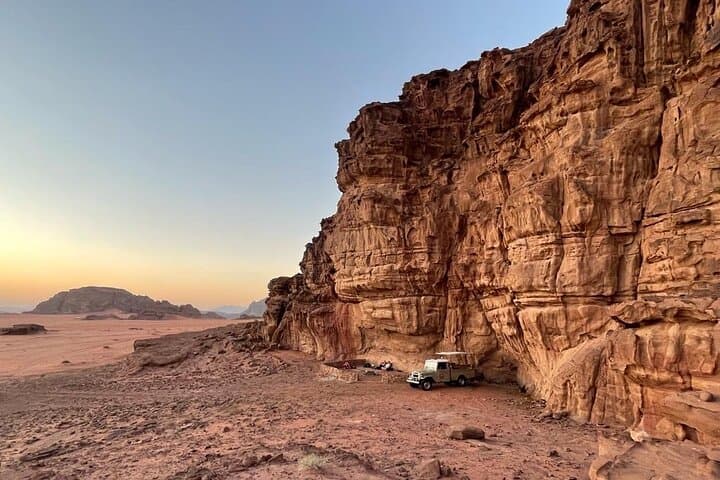
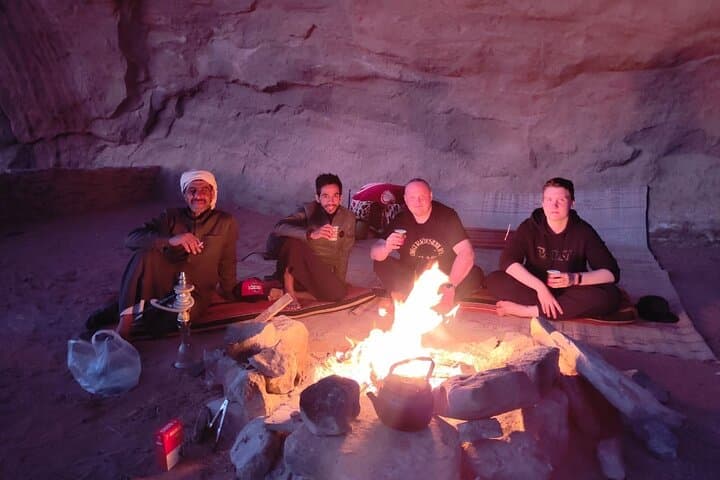
By midafternoon the convoy eases into the shade of a narrow canyon; wind and time have carved inscriptions into the walls and the guide points them out between sips of sweet Bedouin tea. As dusk arrives, lanterns and an open fire mark the camp—stars unroll in a deep, unpinned sky that seems to press close enough to touch.
Verified experiences and guided adventures in the surrounding area.
Operated by Wadi Rum Magic Tours · Wadi Rum Village, Aqaba Governorate
The jeep’s engine murmurs, then settles as the vehicle climbs a sun-baked track and the red desert opens like a page in a history book.
By midafternoon the convoy eases into the shade of a narrow canyon; wind and time have carved inscriptions into the walls and the guide points them out between sips of sweet Bedouin tea. As dusk arrives, lanterns and an open fire mark the camp—stars unroll in a deep, unpinned sky that seems to press close enough to touch.
Wadi Rum is both landscape and archive. Its rose-red sandstone and granite were pushed and folded by tectonic forces millions of years ago, then sculpted by wind into arches, bridges and mushroom-shaped boulders. The valley’s flat beds and dramatic cliffs have served as caravan routes, Nabatean inscription sites and the backdrop for Lawrence of Arabia; you’ll pass Lawrence Spring and the ruins called Lawrence’s House, each stop offering a layer of human and geological history.
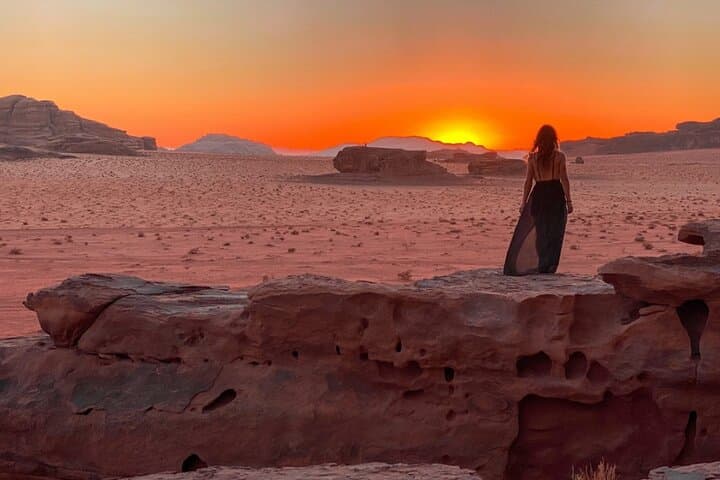
Culture is present but unobtrusive: Bedouin guides keep oral histories and culinary customs alive, preparing lunches over coals and sharing stories of the land. The route on this full-day tour threads classic highlights—Khazali Canyon with its petroglyphs, the Little Arch and the imposing Burdah Rock Bridge—culminating in a sunset viewpoint where the desert’s color changes like a slow-burning light.
Practically speaking, this is a low-impact, accessible adventure with modest walking sections. Expect a mix of short climbs, sandy steps and uneven rock; the Abu Khashaba canyon includes a 40-minute walk that’s the most sustained effort. The overnight is a traditional desert camp: simple sleeping arrangements, dinner cooked on a fire and a morning breakfast before you’re driven back to Wadi Rum Village.
Plan on sun protection, sturdy shoes and a light daypack for water and layers. Timing matters: mornings and late afternoon bring cooler temperatures and better light for photography; midday heat can be intense. Guides know the landscape—follow their advice about where to climb and where to stay low for better footing.
For travelers who want a compact introduction to Wadi Rum’s geology and culture, this day-to-night format delivers a cinematic arc—mobile exploration that slows for meals, stories and a night that forces a rare kind of quiet. It’s the kind of trip where the desert does more than look impressive; it tests your pace, rewards curiosity, and, by the time dawn paints the rocks, makes you understand why people have moved through this place for millennia.
easy.
6–8 hours (plus overnight).
Suitable for most fitness levels; be prepared for short hikes on uneven terrain and one 40-minute canyon walk
Meet at the operator’s house in Wadi Rum Village; the tour returns there the next morning after breakfast.
Most stops involve short walks of 10–30 minutes; the Abu Khashaba canyon requires a 40-minute walk on uneven ground.
Guests sleep in a traditional desert camp with basic mattresses and blankets; it’s rustic but comfortable for most travelers.
Yes—lunch, dinner and breakfast are included, typically prepared on a fire by your guide, and bottled water and hot drinks are supplied.
The tour is rated suitable for most fitness levels, but it’s not recommended for those with serious heart conditions or mobility limitations.
Autumn and spring offer mild temperatures and pleasant light; early morning and late afternoon are best for photography and comfort.
Wadi Rum has long been a crossroads for traders and nomads; Nabatean inscriptions and caravan routes speak to its role as a connective landscape, later popularized by T.E. Lawrence’s wartime travels.
Visitors are encouraged to stick to designated routes and follow guide instructions to minimize impact; local camps are increasing use of refillable water and low-impact cooking methods.
Wadi Rum Magic Tours operates guided outdoor trips and adventures with an emphasis on safety, stewardship, and memorable experiences.

The jeep’s engine murmurs, then settles as the vehicle climbs a sun-baked track and the red desert opens like a page in a history book.
By midafternoon the convoy eases into the shade of a narrow canyon; wind and time have carved inscriptions into the walls and the guide points them out between sips of sweet Bedouin tea. As dusk arrives, lanterns and an open fire mark the camp—stars unroll in a deep, unpinned sky that seems to press close enough to touch.
Wadi Rum is both landscape and archive. Its rose-red sandstone and granite were pushed and folded by tectonic forces millions of years ago, then sculpted by wind into arches, bridges and mushroom-shaped boulders. The valley’s flat beds and dramatic cliffs have served as caravan routes, Nabatean inscription sites and the backdrop for Lawrence of Arabia; you’ll pass Lawrence Spring and the ruins called Lawrence’s House, each stop offering a layer of human and geological history.
Culture is present but unobtrusive: Bedouin guides keep oral histories and culinary customs alive, preparing lunches over coals and sharing stories of the land. The route on this full-day tour threads classic highlights—Khazali Canyon with its petroglyphs, the Little Arch and the imposing Burdah Rock Bridge—culminating in a sunset viewpoint where the desert’s color changes like a slow-burning light.
Practically speaking, this is a low-impact, accessible adventure with modest walking sections. Expect a mix of short climbs, sandy steps and uneven rock; the Abu Khashaba canyon includes a 40-minute walk that’s the most sustained effort. The overnight is a traditional desert camp: simple sleeping arrangements, dinner cooked on a fire and a morning breakfast before you’re driven back to Wadi Rum Village.
Plan on sun protection, sturdy shoes and a light daypack for water and layers. Timing matters: mornings and late afternoon bring cooler temperatures and better light for photography; midday heat can be intense. Guides know the landscape—follow their advice about where to climb and where to stay low for better footing.
For travelers who want a compact introduction to Wadi Rum’s geology and culture, this day-to-night format delivers a cinematic arc—mobile exploration that slows for meals, stories and a night that forces a rare kind of quiet. It’s the kind of trip where the desert does more than look impressive; it tests your pace, rewards curiosity, and, by the time dawn paints the rocks, makes you understand why people have moved through this place for millennia.