THE ADVENTURE COLLECTIVE® · Independent discovery and booking for outdoor travel

Mount a camel for a measured two-hour crossing of Wadi Rum, ending at Lawrence’s Spring for Bedouin tea. This short tour pairs gentle travel with striking desert geology and local storytelling.
Mount a camel for a measured two-hour crossing of Wadi Rum, ending at Lawrence’s Spring for Bedouin tea. This short tour pairs gentle travel with striking desert geology and local storytelling.
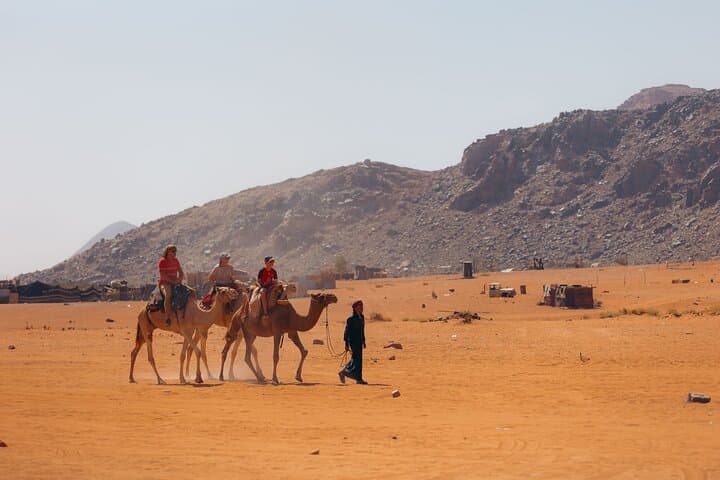
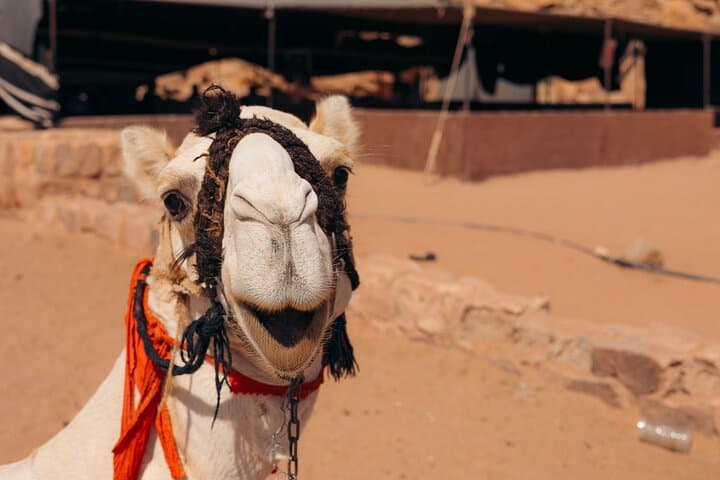
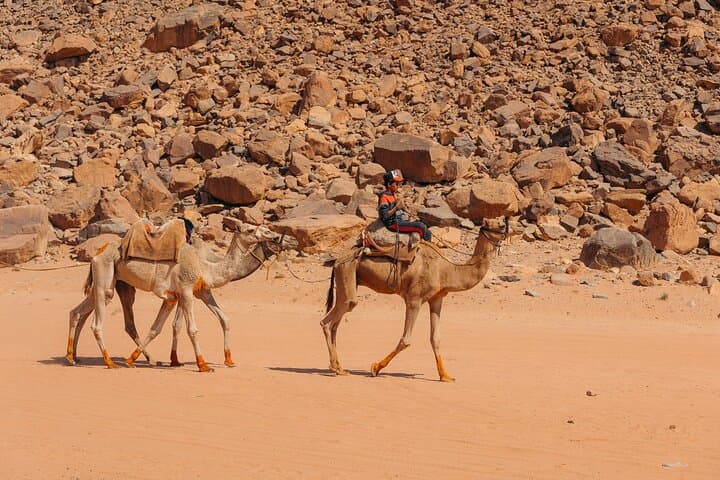
The sun is an ember low on the horizon when you first mount the camel’s broad back—its gait a slow, rolling metronome that sets the rhythm of the desert. Sand slips past like soft, warm snow; sandstone outcrops rise in bronze silhouettes. In two hours on a Magic Bedouin Star camel tour, the desert feels both immense and intimate: a patchwork of wind-carved ridges, a lone fig tree clinging to a stony hummock, and the sudden, stubborn life of Lawrence’s Spring.
Verified experiences and guided adventures in the surrounding area.
Operated by Magic Bedouin Star Tours · Wadi Rum Village, Aqaba Governorate
The sun is an ember low on the horizon when you first mount the camel’s broad back—its gait a slow, rolling metronome that sets the rhythm of the desert. Sand slips past like soft, warm snow; sandstone outcrops rise in bronze silhouettes. In two hours on a Magic Bedouin Star camel tour, the desert feels both immense and intimate: a patchwork of wind-carved ridges, a lone fig tree clinging to a stony hummock, and the sudden, stubborn life of Lawrence’s Spring.
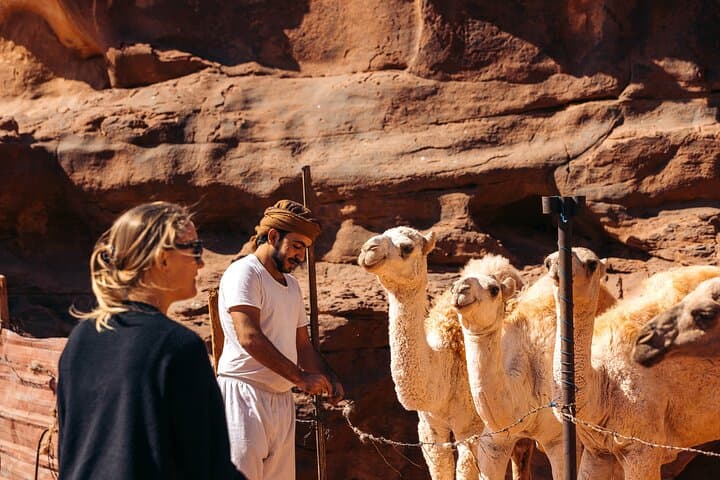
Wadi Rum is a landscape written in stone. Millennia of wind and rare floods have sculpted the sandstone and granite into cliffs, arches, and narrow canyons. The area carries modern history too—the imprint of T.E. Lawrence and the Bedouin tribes who have lived here for generations. Bedouin guides lead visitors not just across terrain but through stories: of ancient caravan routes, of rock inscriptions near camps, of how a spring like Lawrence’s once determined where life could survive.
This camel tour is short on logistics and long on texture. You’ll meet at the Wadi Rum Visitor Centre and proceed to the Wadi Rum Rest House; a local host (often Raad) will coordinate pickup. The ride covers roughly 5–8 km at a steady, leisurely pace with minimal elevation—expect a climb of 30–100 meters if you follow the pipe path up to the fig trees above Lawrence’s Spring. Terrain is a mix of packed sand and gravelly washes; camels negotiate soft patches for you.
Practicalities matter in the desert. Show your Jordan Pass or be ready to pay the 5 JOD entrance fee at the visitor center. The tour includes an English-speaking Bedouin guide, bottled water, and traditional Bedouin tea at the spring—small comforts that make desert time manageable. The operator flags sensible health restrictions: not recommended for those with serious back or heart conditions, pregnant travelers, or infants not sitting on laps.
Time your visit for the light: early morning keeps temperatures cool and gives camel silhouettes crisp edges; late afternoon offers long shadows and warmer tones. Footwear should be sturdy closed-toe shoes for rocky approaches; sun protection and layers are essential—desert days flip to chilly nights quickly. Respect private and protected zones in this protected area: stay on designated routes, pack out waste, and ask before photographing people.
On a two-hour camel ride, the desert does something practical and rare—it slows you enough to notice small things: the grain of stone, the way wind gathers at the base of an arch, the steam of tea poured into a small glass. That measured pace is the point: Wadi Rum doesn’t demand sprinting. It asks you to arrive.
easy.
1–2 hours.
Suitable for most fitness levels; can sit on camel for duration but should be able to mount/dismount with minimal assistance.
The tour runs between 1 and 2 hours depending on pace and stops; the advertised 2-hour option includes time at Lawrence’s Spring.
No, but the Jordan Pass waives the 5 JOD Wadi Rum entrance fee; otherwise be prepared to pay at the Visitor Centre.
Most travelers find camel rides manageable—the animals move in a distinctive roll; operators provide guidance for mounting and dismounting and this tour is rated ‘physical easy.’
Children are allowed but infants must sit on an adult’s lap; check with the operator about any age-specific rules before booking.
Wear breathable layers, closed-toe shoes, a hat and sunscreen; bring a light jacket for cooler mornings or evenings.
Basic facilities at the Wadi Rum Visitor Centre and rest house; in the field, expect limited facilities—plan accordingly.
Wadi Rum has been inhabited by Bedouin tribes for centuries and gained fame through T.E. Lawrence’s World War I accounts; rock inscriptions attest to ancient travelers through these routes.
Wadi Rum is a protected area—visitors should stick to established routes, respect Bedouin land-use, and pack out all waste to preserve fragile desert ecosystems.
Magic Bedouin Star Tours operates guided outdoor trips and adventures with an emphasis on safety, stewardship, and memorable experiences.
The sun is an ember low on the horizon when you first mount the camel’s broad back—its gait a slow, rolling metronome that sets the rhythm of the desert. Sand slips past like soft, warm snow; sandstone outcrops rise in bronze silhouettes. In two hours on a Magic Bedouin Star camel tour, the desert feels both immense and intimate: a patchwork of wind-carved ridges, a lone fig tree clinging to a stony hummock, and the sudden, stubborn life of Lawrence’s Spring.
The sun is an ember low on the horizon when you first mount the camel’s broad back—its gait a slow, rolling metronome that sets the rhythm of the desert. Sand slips past like soft, warm snow; sandstone outcrops rise in bronze silhouettes. In two hours on a Magic Bedouin Star camel tour, the desert feels both immense and intimate: a patchwork of wind-carved ridges, a lone fig tree clinging to a stony hummock, and the sudden, stubborn life of Lawrence’s Spring.
Wadi Rum is a landscape written in stone. Millennia of wind and rare floods have sculpted the sandstone and granite into cliffs, arches, and narrow canyons. The area carries modern history too—the imprint of T.E. Lawrence and the Bedouin tribes who have lived here for generations. Bedouin guides lead visitors not just across terrain but through stories: of ancient caravan routes, of rock inscriptions near camps, of how a spring like Lawrence’s once determined where life could survive.
This camel tour is short on logistics and long on texture. You’ll meet at the Wadi Rum Visitor Centre and proceed to the Wadi Rum Rest House; a local host (often Raad) will coordinate pickup. The ride covers roughly 5–8 km at a steady, leisurely pace with minimal elevation—expect a climb of 30–100 meters if you follow the pipe path up to the fig trees above Lawrence’s Spring. Terrain is a mix of packed sand and gravelly washes; camels negotiate soft patches for you.
Practicalities matter in the desert. Show your Jordan Pass or be ready to pay the 5 JOD entrance fee at the visitor center. The tour includes an English-speaking Bedouin guide, bottled water, and traditional Bedouin tea at the spring—small comforts that make desert time manageable. The operator flags sensible health restrictions: not recommended for those with serious back or heart conditions, pregnant travelers, or infants not sitting on laps.
Time your visit for the light: early morning keeps temperatures cool and gives camel silhouettes crisp edges; late afternoon offers long shadows and warmer tones. Footwear should be sturdy closed-toe shoes for rocky approaches; sun protection and layers are essential—desert days flip to chilly nights quickly. Respect private and protected zones in this protected area: stay on designated routes, pack out waste, and ask before photographing people.
On a two-hour camel ride, the desert does something practical and rare—it slows you enough to notice small things: the grain of stone, the way wind gathers at the base of an arch, the steam of tea poured into a small glass. That measured pace is the point: Wadi Rum doesn’t demand sprinting. It asks you to arrive.