THE ADVENTURE COLLECTIVE® · Independent discovery and booking for outdoor travel

An 11‑hour 4x4 day trip from Tabuk through Wadi Hisma’s rock formations, ancient inscriptions and wildlife-rich Bajdah Reserve. Expect a mix of scenic driving, short hikes, a desert-camp lunch and a museum visit.
An 11‑hour 4x4 day trip from Tabuk through Wadi Hisma’s rock formations, ancient inscriptions and wildlife-rich Bajdah Reserve. Expect a mix of scenic driving, short hikes, a desert-camp lunch and a museum visit.
The sun lifts off Tabuk and the 4x4 grumbles awake — within an hour the city gives way to a landscape of angular rocks and wide, open sand. Wadi Hisma reads like a map of time: sheer fins of sandstone, rounded valleys, and stretches of gravel that the wind scours into lines. You’ll pause at Jabal Al-Safina (Ship Rock) to study more than 200 inscriptions, then thread a route through the Bajdah Reserve where Arabian gazelle move like punctuation across the plains.
Verified experiences and guided adventures in the surrounding area.
Operated by North tour · Tabuk, Tabuk
The sun lifts off Tabuk and the 4x4 grumbles awake — within an hour the city gives way to a landscape of angular rocks and wide, open sand. Wadi Hisma reads like a map of time: sheer fins of sandstone, rounded valleys, and stretches of gravel that the wind scours into lines. You’ll pause at Jabal Al-Safina (Ship Rock) to study more than 200 inscriptions, then thread a route through the Bajdah Reserve where Arabian gazelle move like punctuation across the plains.
This region sits on the northwestern edge of the Arabian Shield; granite and sedimentary layers have been pushed and sculpted into steep ridges and sheltered hollows. Human traces here run deep — petroglyphs and caravan scars remind you the wadi was a travel corridor long before modern roads. Local culture centers on Bedouin knowledge of water, shade and seasonal movement; the Hisma Museum collects artefacts and oral histories that explain why camps form where they do.
Practically, expect an 11‑hour day of driving with short on‑foot sections: a 10‑minute hike at the Secret Garden and several viewpoint stops. Terrain is mostly desert track and rocky footing with minimal elevation gain, but sun and reflected heat intensify exposure. Bring at least 2–3 liters of water, a sun hat, sturdy shoes, and layered clothing for cooler morning and evening temps. The tour uses a 4x4 and includes lunch at a desert camp; wear closed-toe shoes for the short hikes, leave artefacts undisturbed, and plan this outing for early morning starts in summer. The landscape pushes you forward — quiet, sharp, and elemental — rewarding steady attention with dramatic views and cultural moments that linger long after the drive back to Tabuk.
moderate.
11 hours.
Suitable for average fitness; most activity is in-vehicle with short, easy hikes—basic endurance for an all-day outing recommended
About a one-hour drive depending on route and stops; the tour is typically an 11‑hour round trip including on-site visits.
No — the tour uses a provided 4x4 and a driver/guide handles off-road sections; passengers should be comfortable with occasional bumpy rides.
Facilities are limited; expect basic camp amenities for lunch and use vehicle-based rest stops — bring hand sanitizer and toilet paper.
No general tourist permit is required for day visits, but archaeological sites must be respected and removed items are illegal; local guides handle access and regulations.
Wadi Hisma contains rock inscriptions and traces of ancient caravan routes; petroglyphs here record millennia of human presence in an otherwise sparse landscape.
The desert ecosystem is fragile—stay on established tracks, avoid touching rock art, and pack out all waste to minimize impact.
North tour operates guided outdoor trips and adventures with an emphasis on safety, stewardship, and memorable experiences.
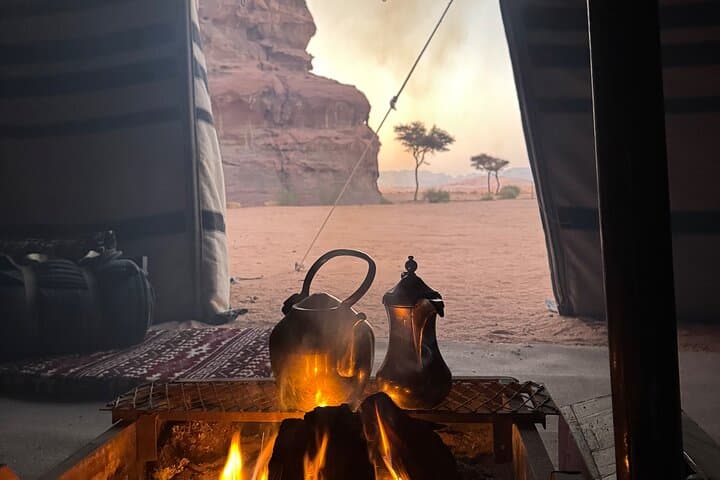
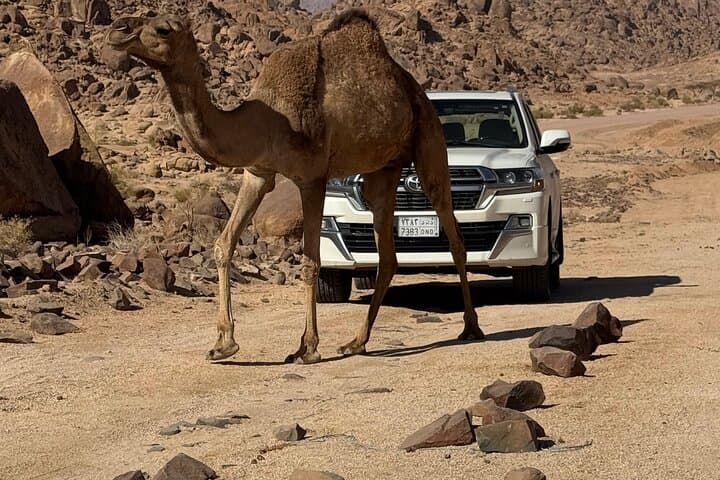
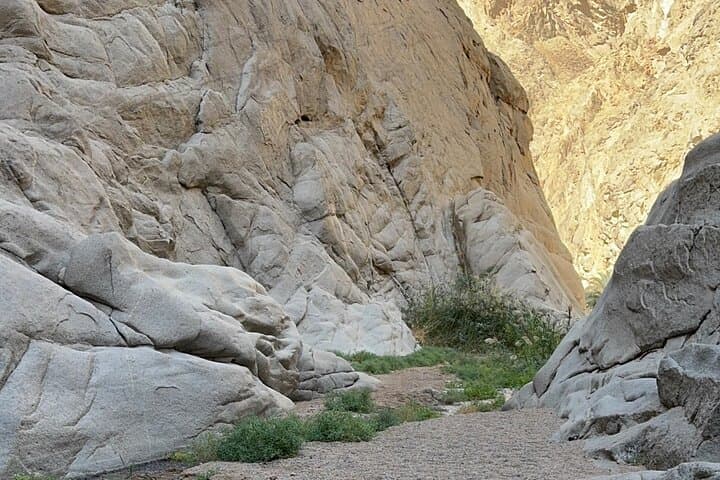
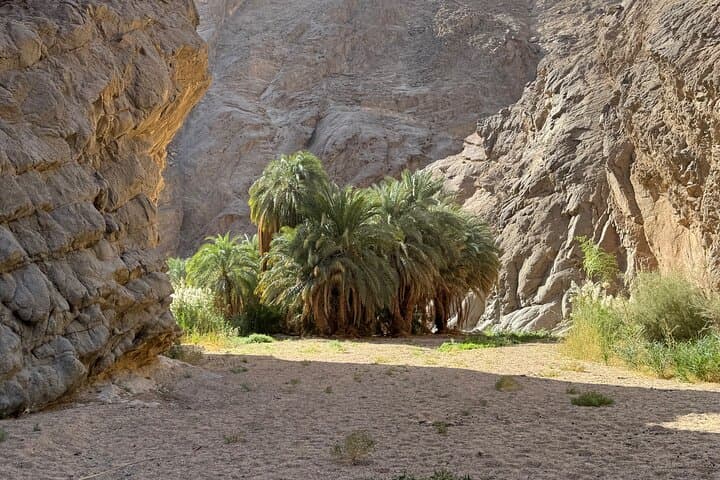
The sun lifts off Tabuk and the 4x4 grumbles awake — within an hour the city gives way to a landscape of angular rocks and wide, open sand. Wadi Hisma reads like a map of time: sheer fins of sandstone, rounded valleys, and stretches of gravel that the wind scours into lines. You’ll pause at Jabal Al-Safina (Ship Rock) to study more than 200 inscriptions, then thread a route through the Bajdah Reserve where Arabian gazelle move like punctuation across the plains.
The sun lifts off Tabuk and the 4x4 grumbles awake — within an hour the city gives way to a landscape of angular rocks and wide, open sand. Wadi Hisma reads like a map of time: sheer fins of sandstone, rounded valleys, and stretches of gravel that the wind scours into lines. You’ll pause at Jabal Al-Safina (Ship Rock) to study more than 200 inscriptions, then thread a route through the Bajdah Reserve where Arabian gazelle move like punctuation across the plains.
This region sits on the northwestern edge of the Arabian Shield; granite and sedimentary layers have been pushed and sculpted into steep ridges and sheltered hollows. Human traces here run deep — petroglyphs and caravan scars remind you the wadi was a travel corridor long before modern roads. Local culture centers on Bedouin knowledge of water, shade and seasonal movement; the Hisma Museum collects artefacts and oral histories that explain why camps form where they do.
Practically, expect an 11‑hour day of driving with short on‑foot sections: a 10‑minute hike at the Secret Garden and several viewpoint stops. Terrain is mostly desert track and rocky footing with minimal elevation gain, but sun and reflected heat intensify exposure. Bring at least 2–3 liters of water, a sun hat, sturdy shoes, and layered clothing for cooler morning and evening temps. The tour uses a 4x4 and includes lunch at a desert camp; wear closed-toe shoes for the short hikes, leave artefacts undisturbed, and plan this outing for early morning starts in summer. The landscape pushes you forward — quiet, sharp, and elemental — rewarding steady attention with dramatic views and cultural moments that linger long after the drive back to Tabuk.