THE ADVENTURE COLLECTIVE® · Independent discovery and booking for outdoor travel

Leave Cairo for a full‑day private drive into Wadi El‑Natrun to visit four surviving Coptic monasteries. Expect low desert landscapes, centuries‑old chapels, and a close look at the origins of Christian monasticism in Egypt.
Leave Cairo for a full‑day private drive into Wadi El‑Natrun to visit four surviving Coptic monasteries. Expect low desert landscapes, centuries‑old chapels, and a close look at the origins of Christian monasticism in Egypt.
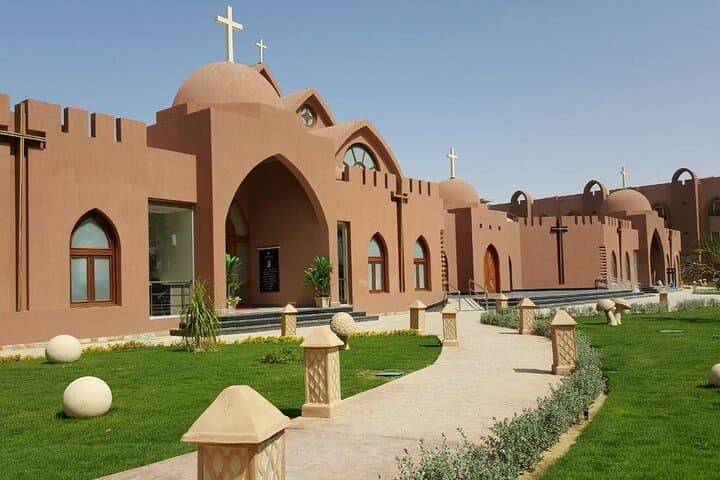
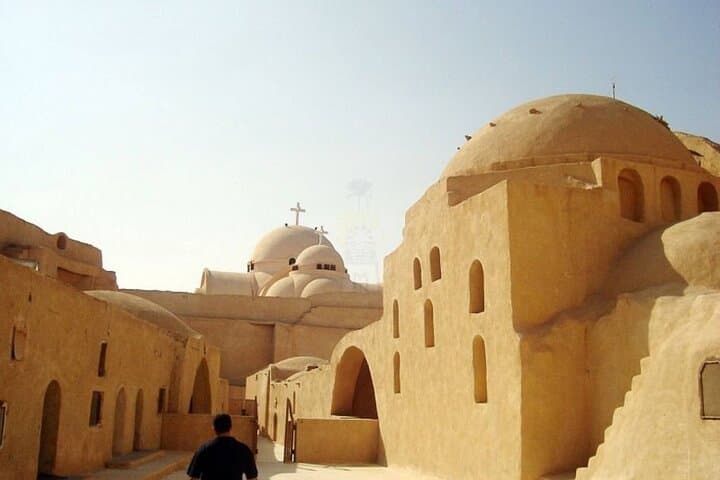
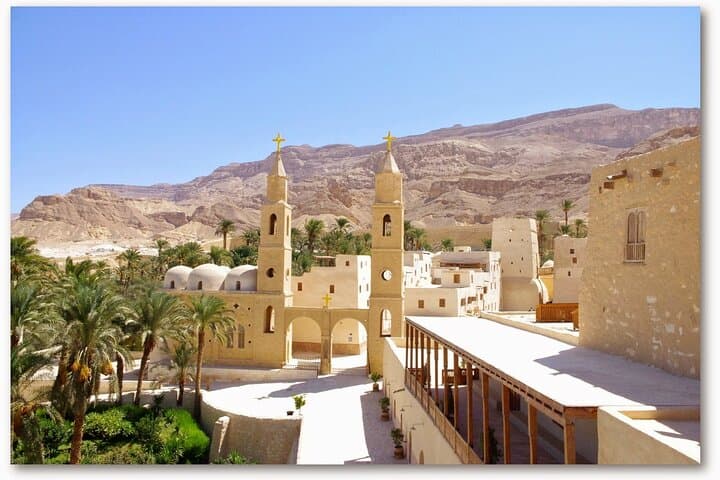
Dust from the desert moves across a low horizon as your vehicle leaves Cairo’s bustle; the asphalt thins and the sky opens. Within two hours you arrive at Wadi El‑Natrun, a flat salt basin where four surviving Coptic monasteries stand like weathered books on a long shelf of sand and limestone. The morning light strips details from adobe walls; the monks’ bells, when they sound, cut cleanly through the dry air.
Verified experiences and guided adventures in the surrounding area.
Operated by Tamer Safari · Wadi El Natrun, Beheira Governorate
Dust from the desert moves across a low horizon as your vehicle leaves Cairo’s bustle; the asphalt thins and the sky opens. Within two hours you arrive at Wadi El‑Natrun, a flat salt basin where four surviving Coptic monasteries stand like weathered books on a long shelf of sand and limestone. The morning light strips details from adobe walls; the monks’ bells, when they sound, cut cleanly through the dry air.
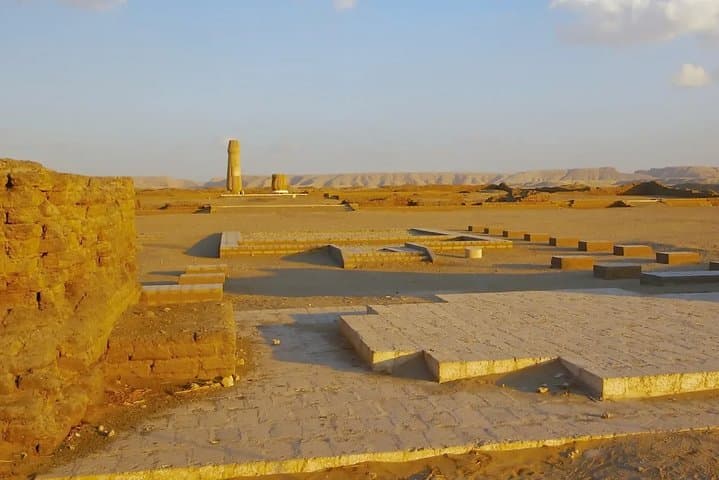
This valley is the birthplace of Christian monasticism in Egypt — once home to some 50 monasteries beginning in Late Antiquity. Geologically, the wadi sits on evaporite deposits; salt flats and low escarpments shape short, stark vistas rather than alpine drama. Culturally, the monasteries preserve centuries of Coptic liturgy, icon painting, and manuscript copying. Deir al‑Baramus, the day’s first stop, feels isolated by design; stone courtyards and thick walls were built to keep both heat and history contained. Later visits to Deir Anba Bishoi and Deir El‑Suryani reveal funerary chapels, old frescoes, and the tangible continuity of monastic life.
Practicalities: expect an all‑day private transfer from Cairo, light walking on stone floors and short uneven steps, and a modest lunch at a local restaurant. Dress respectfully (shoulders and knees covered) and bring sun protection, water, and comfortable shoes. Photography is usually allowed but be discreet during services. For travelers wanting a grounded encounter with Egypt’s desert spirituality, this full‑day tour pairs easy logistics with dense cultural payoff.
easy.
8 hours.
Suitable for most fitness levels—light walking on flat terrain and some stairs inside monasteries.
The round‑trip drive typically takes about 3–4 hours each way depending on traffic; the full tour is around eight hours including site visits.
Photography is generally allowed in exterior and some interior spaces, but restrictions apply near relics or during services—follow your guide’s instructions.
The tour is suitable for most ages but involves walking on uneven floors and some steps; it’s not recommended for travelers with severe mobility limitations or spinal injuries.
Wadi El‑Natrun became a major monastic center from the 4th century onward; many monasteries were founded by ascetics known as the Desert Fathers and preserved Coptic liturgical traditions.
The arid basin is sensitive to groundwater extraction and salt mining; visitors are encouraged to limit waste, stay on paths, and support local guides who practice low‑impact tourism.
Tamer Safari operates guided outdoor trips and adventures with an emphasis on safety, stewardship, and memorable experiences.
Dust from the desert moves across a low horizon as your vehicle leaves Cairo’s bustle; the asphalt thins and the sky opens. Within two hours you arrive at Wadi El‑Natrun, a flat salt basin where four surviving Coptic monasteries stand like weathered books on a long shelf of sand and limestone. The morning light strips details from adobe walls; the monks’ bells, when they sound, cut cleanly through the dry air.
Dust from the desert moves across a low horizon as your vehicle leaves Cairo’s bustle; the asphalt thins and the sky opens. Within two hours you arrive at Wadi El‑Natrun, a flat salt basin where four surviving Coptic monasteries stand like weathered books on a long shelf of sand and limestone. The morning light strips details from adobe walls; the monks’ bells, when they sound, cut cleanly through the dry air.
This valley is the birthplace of Christian monasticism in Egypt — once home to some 50 monasteries beginning in Late Antiquity. Geologically, the wadi sits on evaporite deposits; salt flats and low escarpments shape short, stark vistas rather than alpine drama. Culturally, the monasteries preserve centuries of Coptic liturgy, icon painting, and manuscript copying. Deir al‑Baramus, the day’s first stop, feels isolated by design; stone courtyards and thick walls were built to keep both heat and history contained. Later visits to Deir Anba Bishoi and Deir El‑Suryani reveal funerary chapels, old frescoes, and the tangible continuity of monastic life.
Practicalities: expect an all‑day private transfer from Cairo, light walking on stone floors and short uneven steps, and a modest lunch at a local restaurant. Dress respectfully (shoulders and knees covered) and bring sun protection, water, and comfortable shoes. Photography is usually allowed but be discreet during services. For travelers wanting a grounded encounter with Egypt’s desert spirituality, this full‑day tour pairs easy logistics with dense cultural payoff.