THE ADVENTURE COLLECTIVE® · Independent discovery and booking for outdoor travel

Explore eastern Salalah on a full-day circuit that combines seasonal waterfalls, ancient frankincense ruins, dramatic sinkholes and panoramic highland views. This vehicle-led tour offers short walks, boat options at Wadi Darbat and cultural stops like Taqah Castle and Sumhuram.
Explore eastern Salalah on a full-day circuit that combines seasonal waterfalls, ancient frankincense ruins, dramatic sinkholes and panoramic highland views. This vehicle-led tour offers short walks, boat options at Wadi Darbat and cultural stops like Taqah Castle and Sumhuram.
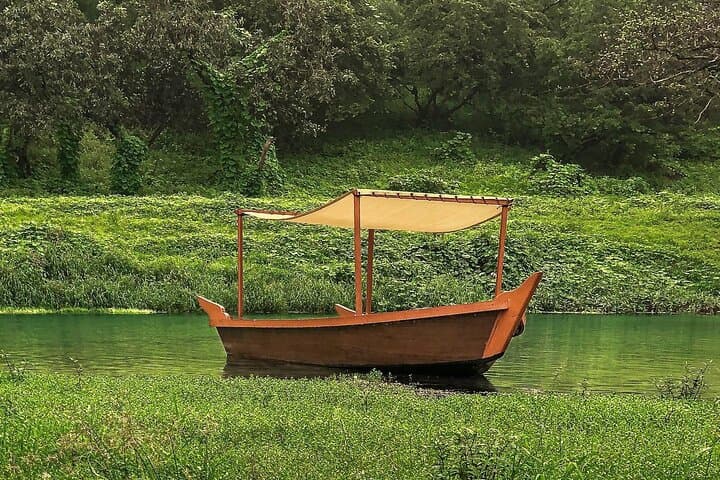
Morning light in eastern Salalah spills across a valley where water still dares to cut through limestone and baobab trunks sit like weathered watchmen. The day begins on coastal roads, then turns inland toward Wadi Darbat: seasonal waterfalls, calm boating pools and a valley that breathes when the Khareef fog arrives.
Verified experiences and guided adventures in the surrounding area.
Operated by Easy Aspire Tours · Salalah, Dhofar Governorate
Morning light in eastern Salalah spills across a valley where water still dares to cut through limestone and baobab trunks sit like weathered watchmen. The day begins on coastal roads, then turns inland toward Wadi Darbat: seasonal waterfalls, calm boating pools and a valley that breathes when the Khareef fog arrives.
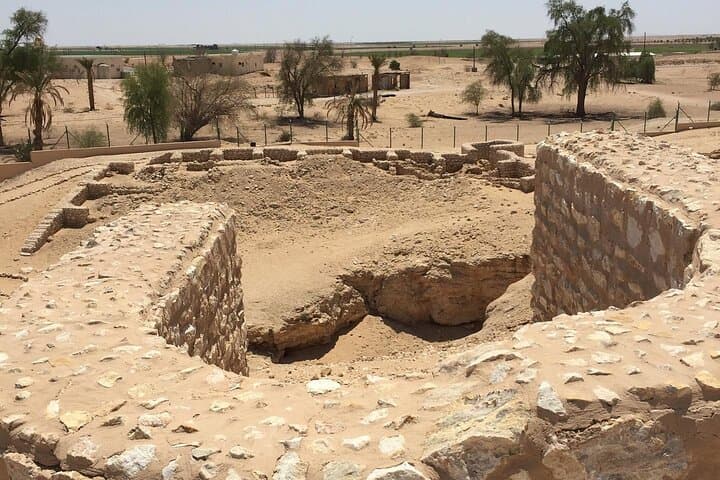
This route threads together centuries of human and geological story. Sumhuram (Khor Rori) preserves ruins from the frankincense trade era (3rd century BCE) overlooking a tidal creek; Taqah Castle, rebuilt in the 19th century, anchors local coastal history. Jabal Samhan’s ridgeline—rising above the plain—was carved by tectonic forces and now hosts deep gorges where rare wildlife moves quietly. The Anti-Gravity Point is a roadside optical trick; sinkholes at Tawi Attair show the limestone beneath the sand-swept surface.
Practically, this is a vehicle-led day with short walks and viewpoints rather than long hikes. Expect multiple stops for photography, a boat or pedal-boat on the Wadi when water is present, and brief, uneven paths around archaeological sites. Carry sun protection, 1–2 liters of water per person, sturdy shoes for rocky trails, and a light layer for higher elevations on Jabal Samhan.
Travelers should plan for 6–8 hours, with more dramatic greenery between June and September (Khareef) and clearer, hotter conditions outside that window. Local guides provide context on frankincense culture and geology; they also help navigate narrow dirt tracks. Respect local customs—modest dress at villages and castles—and leave no trace: these landscapes recover slowly from human impact.
easy.
6–8 hours.
Suitable for most fitness levels; participants should be able to walk short, uneven trails and board small boats.
Waterfalls are most likely and most dramatic during the Khareef season (June–September); outside that period flows are intermittent.
No—the tour is vehicle-led with short walks and viewpoints; participants should be able to walk 10–30 minutes on uneven ground.
Yes—when water levels permit, pedal boats and short motor or kayak rides are offered; availability depends on seasonal flow.
Yes—both sites are on the eastern loop from Salalah and are typically included as brief, interpretive stops on a full-day itinerary.
Sumhuram (Khor Rori) was a key port in the ancient frankincense trade from the 1st millennium BCE; Taqah Castle reflects coastal Omani defensive architecture from the 19th century.
The Khareef season supports fragile grassland and wetland pockets—stick to trails, avoid trampling vegetation and take all rubbish away to protect these recovering habitats.
Easy Aspire Tours operates guided outdoor trips and adventures with an emphasis on safety, stewardship, and memorable experiences.
Morning light in eastern Salalah spills across a valley where water still dares to cut through limestone and baobab trunks sit like weathered watchmen. The day begins on coastal roads, then turns inland toward Wadi Darbat: seasonal waterfalls, calm boating pools and a valley that breathes when the Khareef fog arrives.
Morning light in eastern Salalah spills across a valley where water still dares to cut through limestone and baobab trunks sit like weathered watchmen. The day begins on coastal roads, then turns inland toward Wadi Darbat: seasonal waterfalls, calm boating pools and a valley that breathes when the Khareef fog arrives.
This route threads together centuries of human and geological story. Sumhuram (Khor Rori) preserves ruins from the frankincense trade era (3rd century BCE) overlooking a tidal creek; Taqah Castle, rebuilt in the 19th century, anchors local coastal history. Jabal Samhan’s ridgeline—rising above the plain—was carved by tectonic forces and now hosts deep gorges where rare wildlife moves quietly. The Anti-Gravity Point is a roadside optical trick; sinkholes at Tawi Attair show the limestone beneath the sand-swept surface.
Practically, this is a vehicle-led day with short walks and viewpoints rather than long hikes. Expect multiple stops for photography, a boat or pedal-boat on the Wadi when water is present, and brief, uneven paths around archaeological sites. Carry sun protection, 1–2 liters of water per person, sturdy shoes for rocky trails, and a light layer for higher elevations on Jabal Samhan.
Travelers should plan for 6–8 hours, with more dramatic greenery between June and September (Khareef) and clearer, hotter conditions outside that window. Local guides provide context on frankincense culture and geology; they also help navigate narrow dirt tracks. Respect local customs—modest dress at villages and castles—and leave no trace: these landscapes recover slowly from human impact.