THE ADVENTURE COLLECTIVE® · Independent discovery and booking for outdoor travel

Spend a full day from Muscat combining a swim in Wadi Bani Khalid’s emerald pools with dune driving and Bedouin hospitality in Wahiba Sands. Practical guidance and cultural notes help you prepare for heat, modest swimwear rules, and off-road stretches.
Spend a full day from Muscat combining a swim in Wadi Bani Khalid’s emerald pools with dune driving and Bedouin hospitality in Wahiba Sands. Practical guidance and cultural notes help you prepare for heat, modest swimwear rules, and off-road stretches.
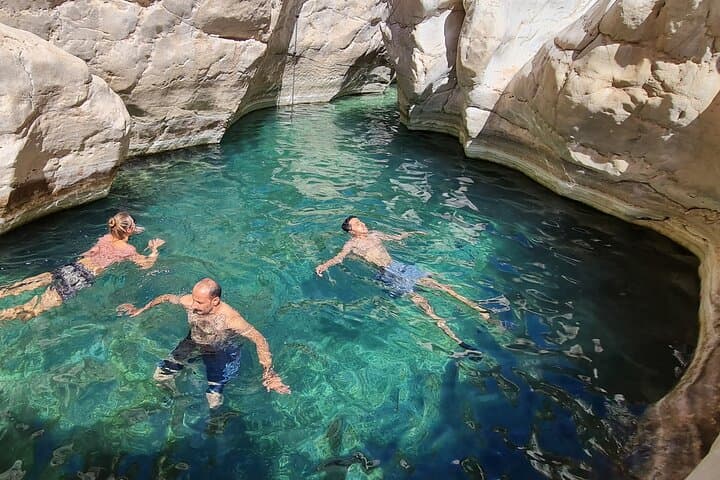
The day starts before dawn in Muscat, the city lights shrinking as your 4x4 bites into the highway toward the eastern desert. By mid-morning you’re pulling up at Wadi Bani Khalid: a canyon that forces the desert to give up pools of cool, clear water tucked beneath steep rock walls.
Verified experiences and guided adventures in the surrounding area.
Operated by Star Tours · Bidiyah, Ash Sharqiyah
The day starts before dawn in Muscat, the city lights shrinking as your 4x4 bites into the highway toward the eastern desert. By mid-morning you’re pulling up at Wadi Bani Khalid: a canyon that forces the desert to give up pools of cool, clear water tucked beneath steep rock walls.
Geologically, the wadi cuts through Cretaceous carbonate and older Miocene deposits, collecting groundwater that feeds perennial pools — rare in Arabia. The canyon’s tumbled boulders frame natural plunge pools that invite a slow swim or a shaded break. Culturally, this route has long been threaded by Bedouin life; nearby villages still offer coffee, dates, and stories about seasonal floods that shape the land.
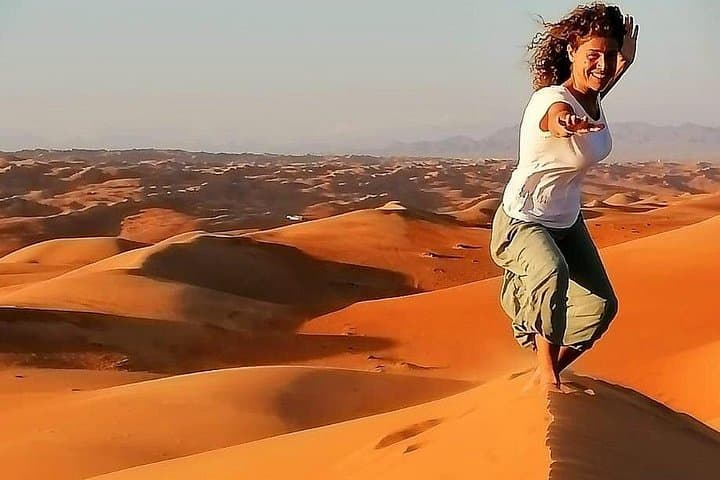
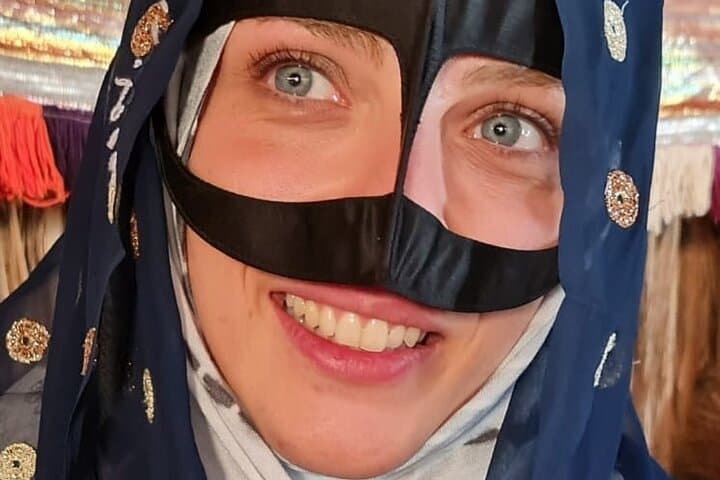
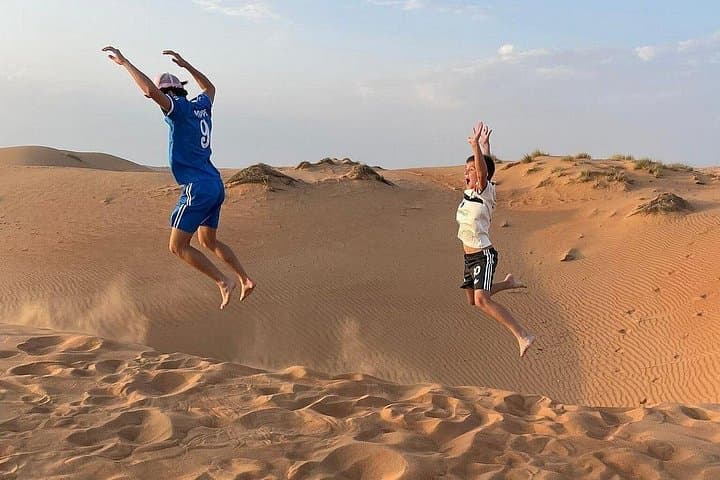
After lunch, the landscape opens to Wahiba Sands: vast seas of gypsum and quartz sand where wind sculpts towering crescent dunes. Here the desert becomes active — dune driving, optional camel rides, and a visit to a family house where you’ll taste local hospitality and learn about traditional nomadic crafts.
Practically: wear sturdy shoes for rocky approaches, bring sun protection and at least 2 liters of water, and plan to change into modest swimwear (women should cover shoulders and knees). The route requires a 4x4; expect short hikes, shallow swims, and vehicle over-sand driving. Morning departures avoid peak heat; late afternoons render the dunes golden for photos. Respect local customs at the wadi and in villages: ask before photographing people and avoid disturbing water sources. This day tour pairs natural spectacle with living culture — sandy, sun-drenched, and surprisingly green where the ground lets it be.
moderate.
8–9 hours.
Moderate fitness for short hikes, wading and a few climbs over rocks and sand; comfortable walking for several hours.
This private excursion lasts about 8–9 hours and typically includes pickup/drop-off in Muscat, an English-speaking Omani guide, bottled water, fuel, and a 4x4 vehicle.
Yes—there are clear freshwater pools for swimming; modest swimwear is required (women should wear a t-shirt and knee-length bottoms).
Camel rides are optional and usually paid locally; the tour includes visits to a Bedouin house but not optional activity fees.
Some parts (vehicle transfers and village visits) are accessible, but swimming areas and dune activities require mobility and are not suitable for full wheelchair access.
The wadi and surrounding routes have long supported nomadic Bedouin communities and served as seasonal grazing and water sources; trade routes along Oman’s coast connected these inland valleys to ports.
Freshwater pools are scarce—avoid soaps and don’t disturb aquatic plants; stick to trails and pack out all trash to protect fragile desert and riparian habitats.
Star Tours operates guided outdoor trips and adventures with an emphasis on safety, stewardship, and memorable experiences.
The day starts before dawn in Muscat, the city lights shrinking as your 4x4 bites into the highway toward the eastern desert. By mid-morning you’re pulling up at Wadi Bani Khalid: a canyon that forces the desert to give up pools of cool, clear water tucked beneath steep rock walls.
The day starts before dawn in Muscat, the city lights shrinking as your 4x4 bites into the highway toward the eastern desert. By mid-morning you’re pulling up at Wadi Bani Khalid: a canyon that forces the desert to give up pools of cool, clear water tucked beneath steep rock walls.
Geologically, the wadi cuts through Cretaceous carbonate and older Miocene deposits, collecting groundwater that feeds perennial pools — rare in Arabia. The canyon’s tumbled boulders frame natural plunge pools that invite a slow swim or a shaded break. Culturally, this route has long been threaded by Bedouin life; nearby villages still offer coffee, dates, and stories about seasonal floods that shape the land.
After lunch, the landscape opens to Wahiba Sands: vast seas of gypsum and quartz sand where wind sculpts towering crescent dunes. Here the desert becomes active — dune driving, optional camel rides, and a visit to a family house where you’ll taste local hospitality and learn about traditional nomadic crafts.
Practically: wear sturdy shoes for rocky approaches, bring sun protection and at least 2 liters of water, and plan to change into modest swimwear (women should cover shoulders and knees). The route requires a 4x4; expect short hikes, shallow swims, and vehicle over-sand driving. Morning departures avoid peak heat; late afternoons render the dunes golden for photos. Respect local customs at the wadi and in villages: ask before photographing people and avoid disturbing water sources. This day tour pairs natural spectacle with living culture — sandy, sun-drenched, and surprisingly green where the ground lets it be.