THE ADVENTURE COLLECTIVE® · Independent discovery and booking for outdoor travel

Wadi Bani Khalid delivers turquoise pools, rocky gorges and easy-access swimming amid Oman’s dramatic geology. This guide explains what to expect, how to prepare, and practical tips for a day trip from Muscat.
Wadi Bani Khalid delivers turquoise pools, rocky gorges and easy-access swimming amid Oman’s dramatic geology. This guide explains what to expect, how to prepare, and practical tips for a day trip from Muscat.
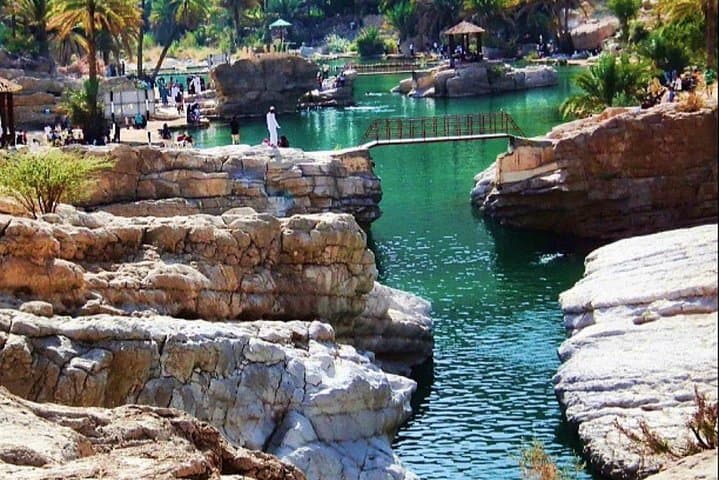
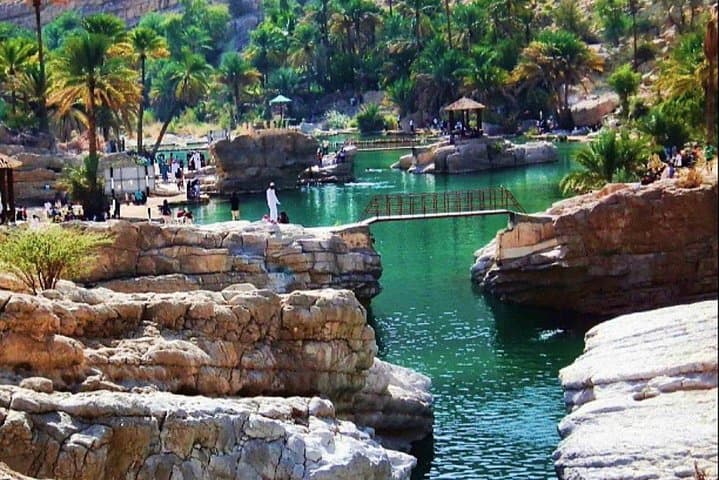
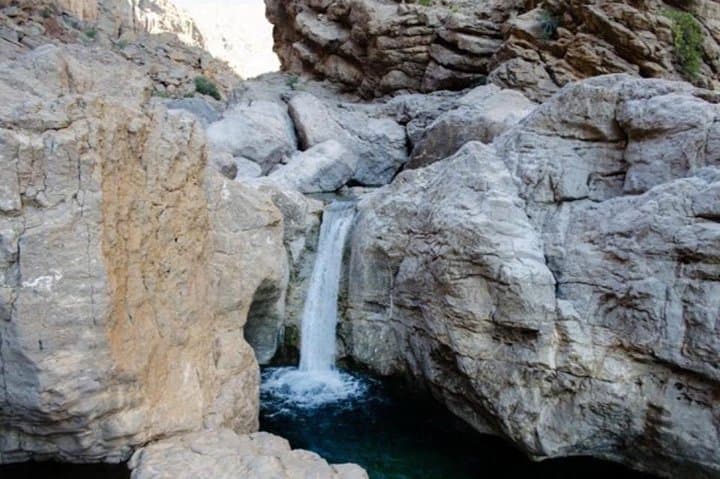
You step from the air‑conditioned vehicle into dry heat and then walk toward water that looks too clear to be real — pools the color of beaten turquoise, rims of dark, weathered rock, and a small waterfall that keeps the air cool where it falls.
Verified experiences and guided adventures in the surrounding area.
Operated by Muscat Advanced Tourism · Wadi Bani Khalid, Ash Sharqiyah South
You step from the air‑conditioned vehicle into dry heat and then walk toward water that looks too clear to be real — pools the color of beaten turquoise, rims of dark, weathered rock, and a small waterfall that keeps the air cool where it falls.
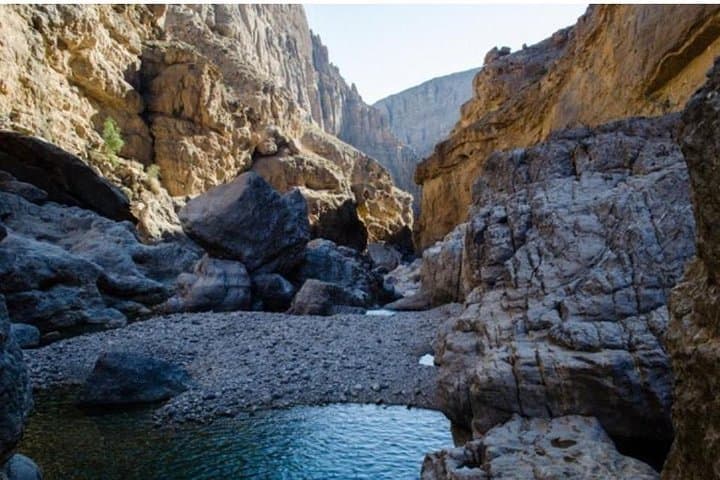
Wadi Bani Khalid sits in Oman’s Ash Sharqiyah region, a living reminder of how water shapes a desert. The channel has been carved through ophiolite‑rich rock and softer limestone, producing steep walls, narrow channels and natural terraces. Local communities have used these perennial pools and small springs for centuries to water date palms and sustain small farms; you’ll notice simple terraces and stone channels where people channeled water long before modern roads arrived.
The experience is equal parts geometry and sensory detail: slip across polished rock, duck under an overhang, and find shaded pools ringed with palms. The current can feel playful in narrow sections, and the pools dare you to test their depth with a careful step. Families picnic on flat ledges while more adventurous visitors explore short upstream gorges.
Plan practically: allow 6–9 hours including transport from Muscat, wear sturdy water shoes for slick rock, bring plenty of water and sun protection, and avoid soaps or shampoos in the pools. Morning and late afternoon visits offer cooler light and smaller crowds; summer afternoons can be very hot. Guides familiar with local access and safety can add context, point out quiet side pools and manage logistics so you spend time in the water instead of searching for it.
moderate.
6–9 hours.
You should be comfortable walking on uneven, rocky terrain and able to swim short distances; not technically demanding.
Yes—many visitors swim in the main pools; however, avoid using soap and follow any instructions from local guides or signs about restricted areas.
Most tours allocate about 3–6 hours at the wadi and a total of roughly 6–9 hours including transport from Muscat, depending on pickup locations.
Basic picnic areas and small kiosks are common near the main pools, but bring snacks and water if you prefer specific foods—options can be limited.
Families commonly visit; shallow pool edges are manageable for children, but supervision is essential and non-swimmers should use caution near deeper pools.
Wadi Bani Khalid has long been an agricultural and social focal point for nearby communities; perennial springs allowed date cultivation and seasonal settlements.
The wadi’s freshwater pools are ecologically sensitive—minimize impact by packing out trash, avoiding soaps in water, and following local guidance to protect aquatic life.
Muscat Advanced Tourism operates guided outdoor trips and adventures with an emphasis on safety, stewardship, and memorable experiences.
You step from the air‑conditioned vehicle into dry heat and then walk toward water that looks too clear to be real — pools the color of beaten turquoise, rims of dark, weathered rock, and a small waterfall that keeps the air cool where it falls.
You step from the air‑conditioned vehicle into dry heat and then walk toward water that looks too clear to be real — pools the color of beaten turquoise, rims of dark, weathered rock, and a small waterfall that keeps the air cool where it falls.
Wadi Bani Khalid sits in Oman’s Ash Sharqiyah region, a living reminder of how water shapes a desert. The channel has been carved through ophiolite‑rich rock and softer limestone, producing steep walls, narrow channels and natural terraces. Local communities have used these perennial pools and small springs for centuries to water date palms and sustain small farms; you’ll notice simple terraces and stone channels where people channeled water long before modern roads arrived.
The experience is equal parts geometry and sensory detail: slip across polished rock, duck under an overhang, and find shaded pools ringed with palms. The current can feel playful in narrow sections, and the pools dare you to test their depth with a careful step. Families picnic on flat ledges while more adventurous visitors explore short upstream gorges.
Plan practically: allow 6–9 hours including transport from Muscat, wear sturdy water shoes for slick rock, bring plenty of water and sun protection, and avoid soaps or shampoos in the pools. Morning and late afternoon visits offer cooler light and smaller crowds; summer afternoons can be very hot. Guides familiar with local access and safety can add context, point out quiet side pools and manage logistics so you spend time in the water instead of searching for it.