THE ADVENTURE COLLECTIVE® · Independent discovery and booking for outdoor travel

Spend a full day exploring the ancient Coptic monasteries of Wadi al-Natrun — a desert series of stone churches, keeps and libraries that trace monastic life back to St. Macarius in the 4th century. This private nine-hour tour from Cairo covers El-Suryan, El-Baramous, Saint Bishoy and Saint Makarios with transfers and lunch included.
Spend a full day exploring the ancient Coptic monasteries of Wadi al-Natrun — a desert series of stone churches, keeps and libraries that trace monastic life back to St. Macarius in the 4th century. This private nine-hour tour from Cairo covers El-Suryan, El-Baramous, Saint Bishoy and Saint Makarios with transfers and lunch included.
You arrive on a low, salt-flat plain where the desert pushes like a slow current against the edges of the Nile Delta. Wind-polished walls and squat domes of stone and mud brick appear ahead — the monasteries of Wadi al-Natrun sit as deliberate islands in an austere landscape, their courtyards catching light and echo.
Verified experiences and guided adventures in the surrounding area.
Operated by travel to church · Wadi El Natrun, Beheira
You arrive on a low, salt-flat plain where the desert pushes like a slow current against the edges of the Nile Delta. Wind-polished walls and squat domes of stone and mud brick appear ahead — the monasteries of Wadi al-Natrun sit as deliberate islands in an austere landscape, their courtyards catching light and echo.
This valley became a refuge in the fourth century when St. Macarius and other ascetics turned inland from Roman persecution. Over time dozens of monastic communities formed; four survive now with readable layers of history: El-Suryan (the Syrian Monastery of the Virgin), El-Baramous, Saint Bishoy and Saint Makarios (Abu Makar). The buildings themselves record eras — early Byzantine masonry, ninth-century keeps, modern restorations — and libraries inside preserve centuries of Coptic manuscripts.
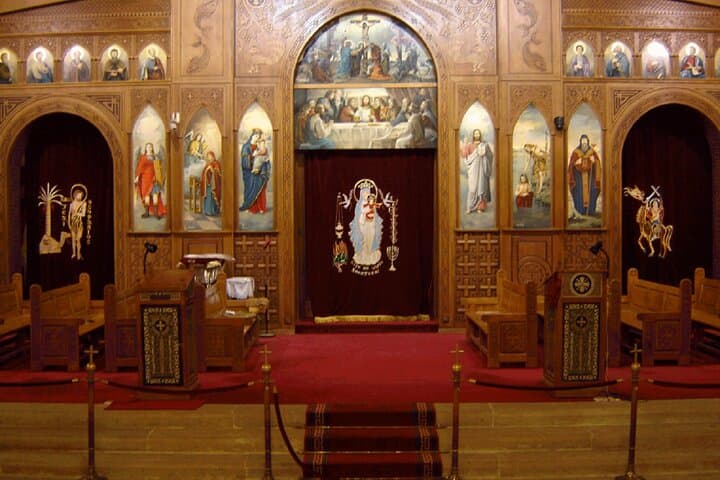
Geologically the plain is shallow, with salt pans and sparse scrub; the climate pushes the daily rhythm toward early starts and slow afternoons. Culturally, the monasteries remain active centers of worship and pilgrimage; you’ll see monks at prayer, liturgical icons, and funerary sarcophagi marking past martyrs.
Practically: this private nine-hour tour includes door-to-door transfers, a guided walk through each monastery, and a local lunch. Expect short on-site walks over uneven stone, steps inside churches, and intermittent shade. Bring sun protection, modest clothing that covers shoulders and knees, and enough water; photography rules vary by church so ask the guide. Aim for a morning departure to avoid peak desert heat and give yourself time to move thoughtfully through both sacred spaces and the flat, compelling desert that surrounds them.
easy.
9 hours.
Light walking ability; able to manage short, uneven paths and stairs over a full day in warm conditions
This is a nine-hour private tour that typically includes hotel pickup/drop-off, private car transfers, an English-speaking guide, entrance to the monasteries listed, and a local lunch.
Yes — they are active monastic communities. Visitors may enter most church areas but should follow dress and behavior guidelines and any photography restrictions.
The tour is generally suitable for most ages, but expect uneven ground and stairs; travelers with limited mobility should consult the operator about accessibility.
Cooler months (late autumn through early spring) are more comfortable; if visiting in summer, plan for an early start to avoid midday heat.
Wadi al-Natrun became a major center of Egyptian monasticism after St. Macarius settled there in the 4th century; it sheltered communities fleeing Roman persecution and later housed patriarchal rites.
The desert plain and ancient masonry are sensitive — stick to paths, avoid touching manuscripts or icons, and minimize plastic waste; local monasteries support cautious tourism to protect sacred sites.
travel to church operates guided outdoor trips and adventures with an emphasis on safety, stewardship, and memorable experiences.
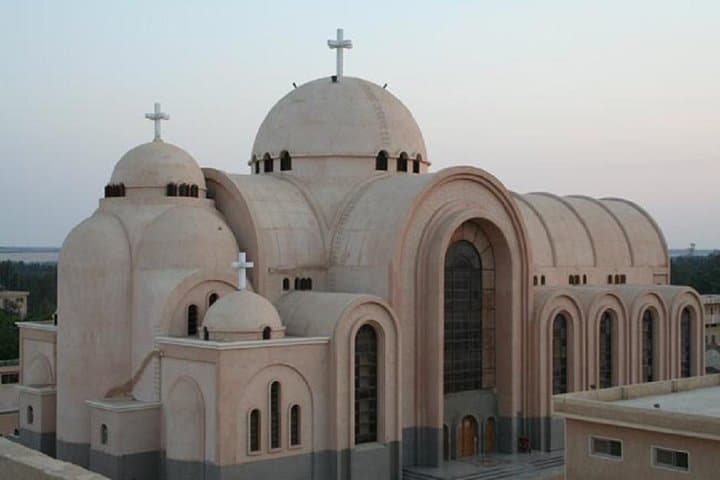
You arrive on a low, salt-flat plain where the desert pushes like a slow current against the edges of the Nile Delta. Wind-polished walls and squat domes of stone and mud brick appear ahead — the monasteries of Wadi al-Natrun sit as deliberate islands in an austere landscape, their courtyards catching light and echo.
You arrive on a low, salt-flat plain where the desert pushes like a slow current against the edges of the Nile Delta. Wind-polished walls and squat domes of stone and mud brick appear ahead — the monasteries of Wadi al-Natrun sit as deliberate islands in an austere landscape, their courtyards catching light and echo.
This valley became a refuge in the fourth century when St. Macarius and other ascetics turned inland from Roman persecution. Over time dozens of monastic communities formed; four survive now with readable layers of history: El-Suryan (the Syrian Monastery of the Virgin), El-Baramous, Saint Bishoy and Saint Makarios (Abu Makar). The buildings themselves record eras — early Byzantine masonry, ninth-century keeps, modern restorations — and libraries inside preserve centuries of Coptic manuscripts.
Geologically the plain is shallow, with salt pans and sparse scrub; the climate pushes the daily rhythm toward early starts and slow afternoons. Culturally, the monasteries remain active centers of worship and pilgrimage; you’ll see monks at prayer, liturgical icons, and funerary sarcophagi marking past martyrs.
Practically: this private nine-hour tour includes door-to-door transfers, a guided walk through each monastery, and a local lunch. Expect short on-site walks over uneven stone, steps inside churches, and intermittent shade. Bring sun protection, modest clothing that covers shoulders and knees, and enough water; photography rules vary by church so ask the guide. Aim for a morning departure to avoid peak desert heat and give yourself time to move thoughtfully through both sacred spaces and the flat, compelling desert that surrounds them.