THE ADVENTURE COLLECTIVE® · Independent discovery and booking for outdoor travel

Drive from Tabuk into the dramatic Disah Valley to hike among palm groves, wade cool springs and learn Bedouin histories. This full-day tour pairs accessible trails with cultural encounters and striking canyon scenery.
Drive from Tabuk into the dramatic Disah Valley to hike among palm groves, wade cool springs and learn Bedouin histories. This full-day tour pairs accessible trails with cultural encounters and striking canyon scenery.
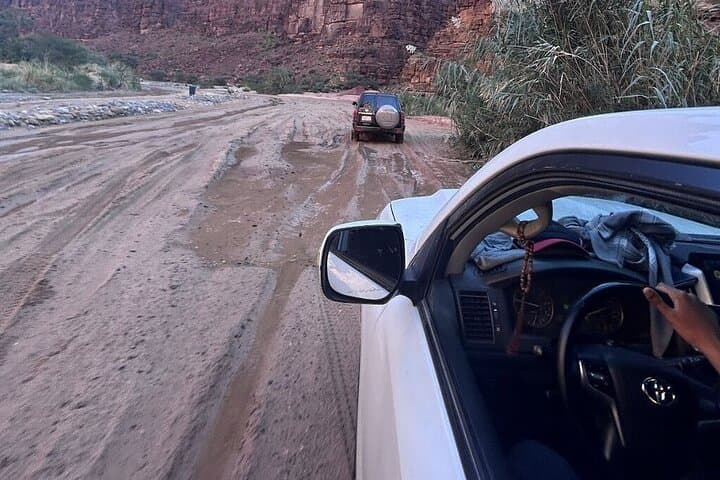
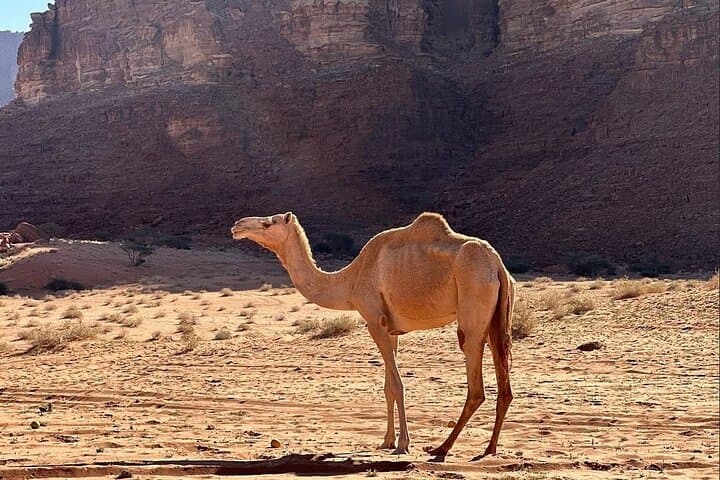
The morning air tastes of stone and date palms as the 4x4 crosses open desert toward narrow walls of rose-colored sandstone. By mid-morning the road drops into a ribbon of green—palm groves cradled between cliffs where freshwater trickles and shafts of light cut across cool shade.
Verified experiences and guided adventures in the surrounding area.
Operated by Reef El Shamal · Tabuk, Tabuk
The morning air tastes of stone and date palms as the 4x4 crosses open desert toward narrow walls of rose-colored sandstone. By mid-morning the road drops into a ribbon of green—palm groves cradled between cliffs where freshwater trickles and shafts of light cut across cool shade.
Wadi Al Disah sits on the northern edge of the Hejaz escarpment; its cliffs are layered with ancient sedimentary rock carved by seasonal floods. The valley has long been a lifeline for traders and Bedouin families—you’ll hear stories from guides about routes, traditional livelihoods and the valley’s role linking inland communities to the Red Sea coast.
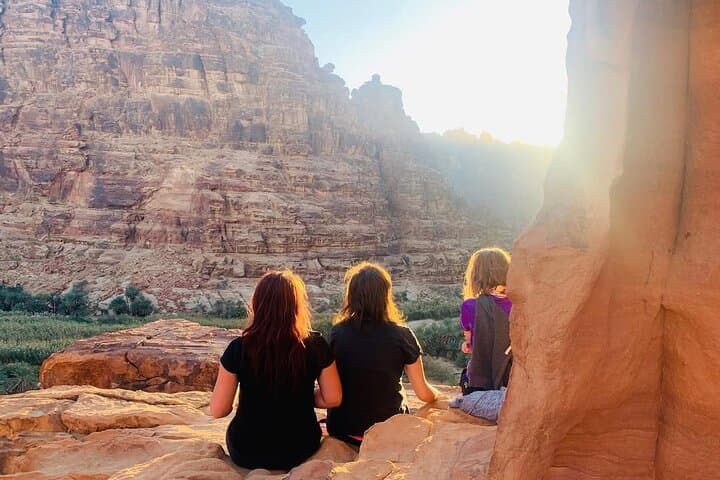
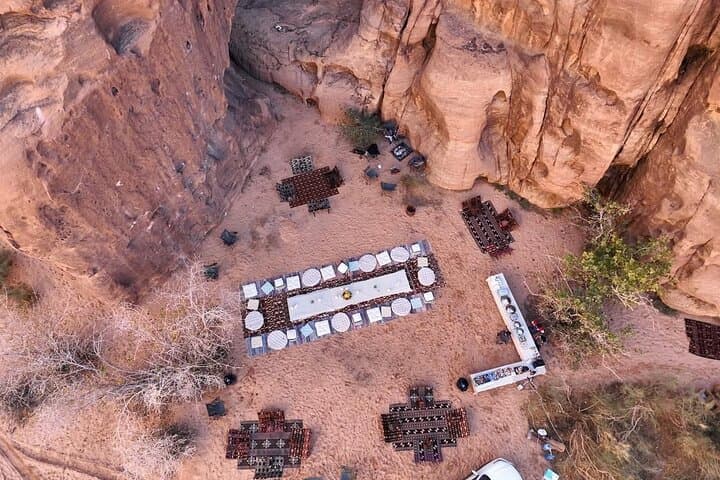
Expect varied terrain: flat oasis tracks, short uphill scrambles to lookout points and shallow spring-fed streams that invite easy wading. Cultural highlights include a traditional Arabic coffee ceremony and a simple Bedouin-style lunch under palms. Photography opportunities are frequent—towering canyon walls, tight groves of date palms and hidden caves.
Practical guidance: wear grippy hiking shoes for mixed sand and rock, bring sun protection and at least 1.5–2 liters of water, and plan for hot sun by mid-day. Guided tours typically last a full day from Tabuk (about a 2-hour drive each way); mobility needs are moderate and some walking is required. Respect private grazing areas and avoid leaving litter—this is a fragile desert-oasis system. If you’re chasing golden-hour light, time your exploration late afternoon for warm, low-angle illumination on the cliffs.
moderate.
8 hours (full-day).
Moderate fitness: able to hike 3–6 km over uneven terrain and stand for short scrambles.
Expect roughly 1.5–2 hours each way by 4x4 along paved and desert roads—schedules typically allow a full day for exploration.
Yes for many families—but participants should be comfortable walking across uneven ground; check provider guidance on mobility restrictions.
Springs are shallow and cool; you can wade but deep swimming isn’t typical—follow your guide’s advice to protect fragile pools.
Yes—this tour commonly includes an English-speaking guide and a traditional lunch with tea or coffee and snacks, as noted in the itinerary.
Wadi Al Disah has been a seasonal oasis and caravan waypoint for centuries, with Bedouin communities using its palms and springs as a reliable stop on inland routes.
The valley’s springs and palm groves are sensitive to overuse—stay on established paths, avoid bathing in small pools, and pack out waste to protect groundwater and vegetation.
Reef El Shamal operates guided outdoor trips and adventures with an emphasis on safety, stewardship, and memorable experiences.
The morning air tastes of stone and date palms as the 4x4 crosses open desert toward narrow walls of rose-colored sandstone. By mid-morning the road drops into a ribbon of green—palm groves cradled between cliffs where freshwater trickles and shafts of light cut across cool shade.
The morning air tastes of stone and date palms as the 4x4 crosses open desert toward narrow walls of rose-colored sandstone. By mid-morning the road drops into a ribbon of green—palm groves cradled between cliffs where freshwater trickles and shafts of light cut across cool shade.
Wadi Al Disah sits on the northern edge of the Hejaz escarpment; its cliffs are layered with ancient sedimentary rock carved by seasonal floods. The valley has long been a lifeline for traders and Bedouin families—you’ll hear stories from guides about routes, traditional livelihoods and the valley’s role linking inland communities to the Red Sea coast.
Expect varied terrain: flat oasis tracks, short uphill scrambles to lookout points and shallow spring-fed streams that invite easy wading. Cultural highlights include a traditional Arabic coffee ceremony and a simple Bedouin-style lunch under palms. Photography opportunities are frequent—towering canyon walls, tight groves of date palms and hidden caves.
Practical guidance: wear grippy hiking shoes for mixed sand and rock, bring sun protection and at least 1.5–2 liters of water, and plan for hot sun by mid-day. Guided tours typically last a full day from Tabuk (about a 2-hour drive each way); mobility needs are moderate and some walking is required. Respect private grazing areas and avoid leaving litter—this is a fragile desert-oasis system. If you’re chasing golden-hour light, time your exploration late afternoon for warm, low-angle illumination on the cliffs.