THE ADVENTURE COLLECTIVE® · Independent discovery and booking for outdoor travel

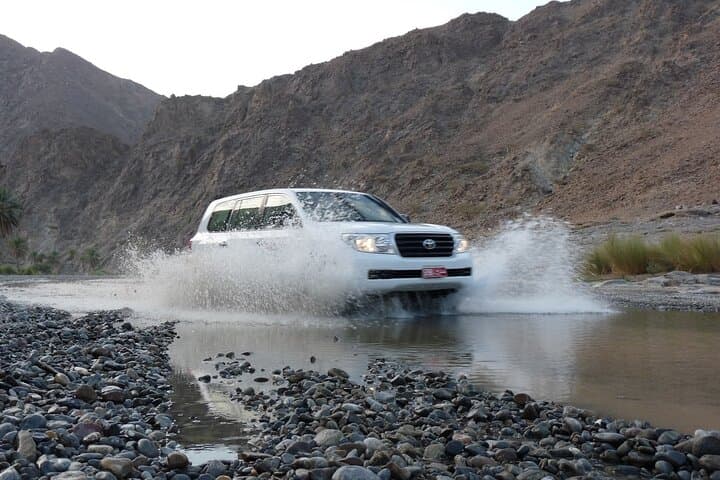
Ride a deluxe 4x4 from Muscat into the Hajar foothills to reach Wadi Al Abyadh—white sandy shallows, palm groves and cliff-side villages—followed by a visit to Nakhl Fort. Expect rough tracks, spring-fed pools, and wide desert light.
Ride a deluxe 4x4 from Muscat into the Hajar foothills to reach Wadi Al Abyadh—white sandy shallows, palm groves and cliff-side villages—followed by a visit to Nakhl Fort. Expect rough tracks, spring-fed pools, and wide desert light.
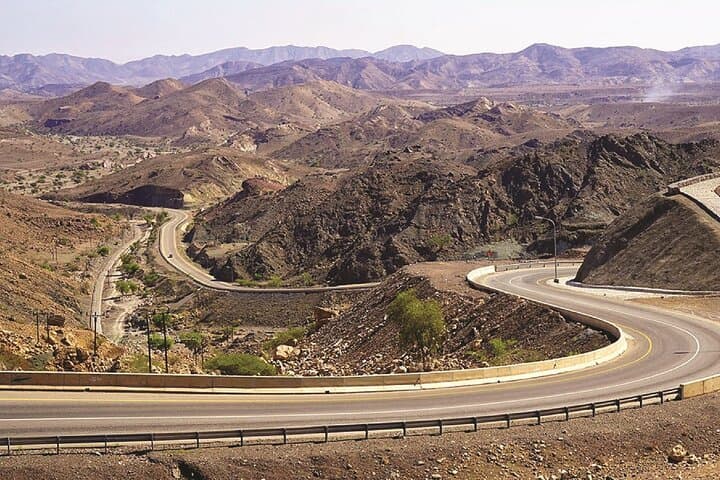
Dust from the desert lifts as the 4x4 devours the track, and the air changes—cooler, mineral-rich—when you slip between Hajar ridges. Travelers will watch palm-lined farmland give way to open plains where camels wander like punctuation marks, then climb toward cliffs that hold cliff-side houses cut into pale rock.
Verified experiences and guided adventures in the surrounding area.
Operated by Gray Line - Kurban Tours · Muscat, Muscat Governorate
Dust from the desert lifts as the 4x4 devours the track, and the air changes—cooler, mineral-rich—when you slip between Hajar ridges. Travelers will watch palm-lined farmland give way to open plains where camels wander like punctuation marks, then climb toward cliffs that hold cliff-side houses cut into pale rock.
Geology here is blunt and honest: folded limestone and schist of the Hajar range push skyward to more than 1,000 meters, their faces polished by millennia of wind and flash floods. Wadi Al Abyadh—"White Wadi"—earns its name from chalky riverbeds and shallow springs that gather in basins, surrounded at one end by dunes and at the other by a serrated mountain wall.
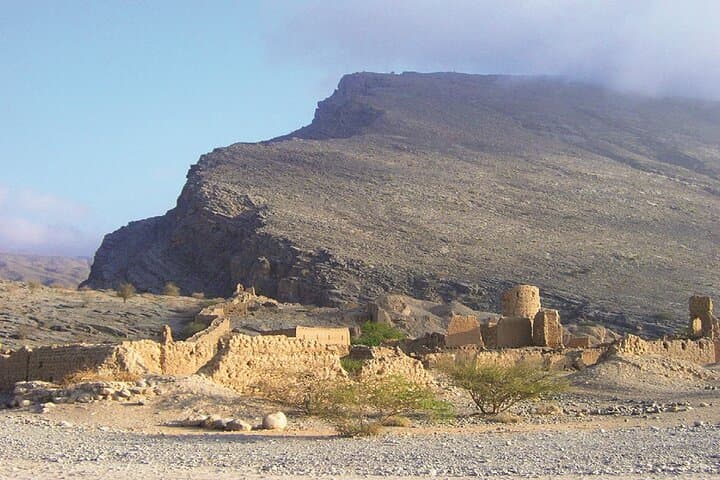
Culturally, the route threads active farms and small villages where traditional irrigation and date palms mark a long history of human adaptation to arid land. The day usually ends with a stop at Nakhl Fort, a compact stronghold that illustrates Oman's strategic inland past.
Practical guidance: expect rough, sometimes bumpy 4x4 driving and short walks over sand and rock. Carry at least 2–3 liters of water, sun protection, and shoes with grippy soles. Mornings and late afternoons offer the best light and cooler temperatures; midday can be hot and bright. Bring a lightweight layer for wind in higher passes and a waterproof case for electronics if you plan to photograph shallow pools.
Respect local customs in villages—modest clothing, low voices—and stay on established tracks to protect fragile wadi vegetation. With moderate fitness and basic preparation, this full-day 4x4 delivers a compact, dramatic sample of Oman’s inland landscapes.
moderate.
9 hours.
Suitable for travelers with moderate fitness who can handle uneven terrain and several short walks; seated time in a 4x4 is required.
The tour is approximately 9 hours round-trip from Muscat in a deluxe 4x4 vehicle with seating for up to four guests per vehicle.
Not recommended for pregnant travelers; children may join but should be supervised—expect rough riding and some short walks.
Yes—lunch at a local restaurant with soft drinks is included in the tour price.
Bring small cash for tips or souvenirs; basic amenities are included but extra water, snacks, or personal medications are recommended.
Nakhl and surrounding villages have been settled for centuries; Nakhl Fort illustrates inland defensive architecture and was restored in the 17th–18th centuries.
Stick to tracks and avoid disturbing spring-fed pools; fragile wadi vegetation recovers slowly from trampling.
Gray Line - Kurban Tours operates guided outdoor trips and adventures with an emphasis on safety, stewardship, and memorable experiences.

Dust from the desert lifts as the 4x4 devours the track, and the air changes—cooler, mineral-rich—when you slip between Hajar ridges. Travelers will watch palm-lined farmland give way to open plains where camels wander like punctuation marks, then climb toward cliffs that hold cliff-side houses cut into pale rock.
Dust from the desert lifts as the 4x4 devours the track, and the air changes—cooler, mineral-rich—when you slip between Hajar ridges. Travelers will watch palm-lined farmland give way to open plains where camels wander like punctuation marks, then climb toward cliffs that hold cliff-side houses cut into pale rock.
Geology here is blunt and honest: folded limestone and schist of the Hajar range push skyward to more than 1,000 meters, their faces polished by millennia of wind and flash floods. Wadi Al Abyadh—"White Wadi"—earns its name from chalky riverbeds and shallow springs that gather in basins, surrounded at one end by dunes and at the other by a serrated mountain wall.
Culturally, the route threads active farms and small villages where traditional irrigation and date palms mark a long history of human adaptation to arid land. The day usually ends with a stop at Nakhl Fort, a compact stronghold that illustrates Oman's strategic inland past.
Practical guidance: expect rough, sometimes bumpy 4x4 driving and short walks over sand and rock. Carry at least 2–3 liters of water, sun protection, and shoes with grippy soles. Mornings and late afternoons offer the best light and cooler temperatures; midday can be hot and bright. Bring a lightweight layer for wind in higher passes and a waterproof case for electronics if you plan to photograph shallow pools.
Respect local customs in villages—modest clothing, low voices—and stay on established tracks to protect fragile wadi vegetation. With moderate fitness and basic preparation, this full-day 4x4 delivers a compact, dramatic sample of Oman’s inland landscapes.