THE ADVENTURE COLLECTIVE® · Independent discovery and booking for outdoor travel

Travel from Vienna through the Wachau Valley to Melk and the lakeside village of Hallstatt on a full-day small-group tour. Expect short walks in Dürnstein and Melk, plus three hours to explore Hallstatt’s waterfront and lanes.
Travel from Vienna through the Wachau Valley to Melk and the lakeside village of Hallstatt on a full-day small-group tour. Expect short walks in Dürnstein and Melk, plus three hours to explore Hallstatt’s waterfront and lanes.
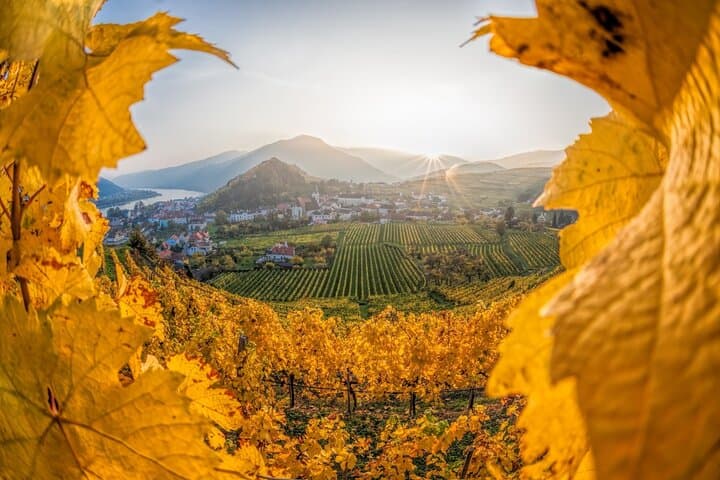
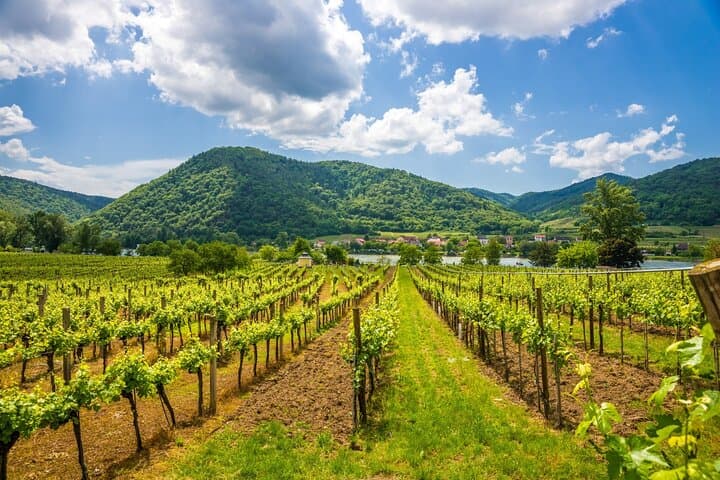
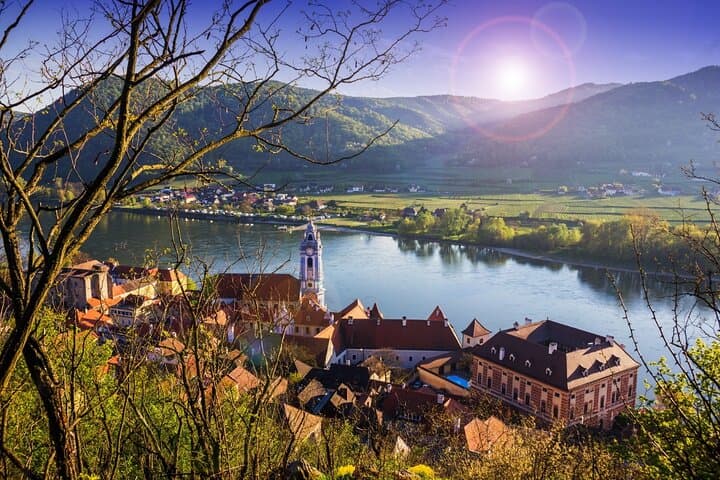
A morning peel of fog lifts off the Danube as the van slips out of Vienna and into the Wachau Valley. Vineyards march up the slopes; the river dares travelers to slow down and look. In Dürnstein, cobbled lanes funnel visitors toward a sky-scraping blue tower and the ragged silhouette of a cliff-top castle that once watched over river trade.
Verified experiences and guided adventures in the surrounding area.
Operated by Gray Line Vienna | White Alligator Tours · Vienna, Vienna
A morning peel of fog lifts off the Danube as the van slips out of Vienna and into the Wachau Valley. Vineyards march up the slopes; the river dares travelers to slow down and look. In Dürnstein, cobbled lanes funnel visitors toward a sky-scraping blue tower and the ragged silhouette of a cliff-top castle that once watched over river trade.
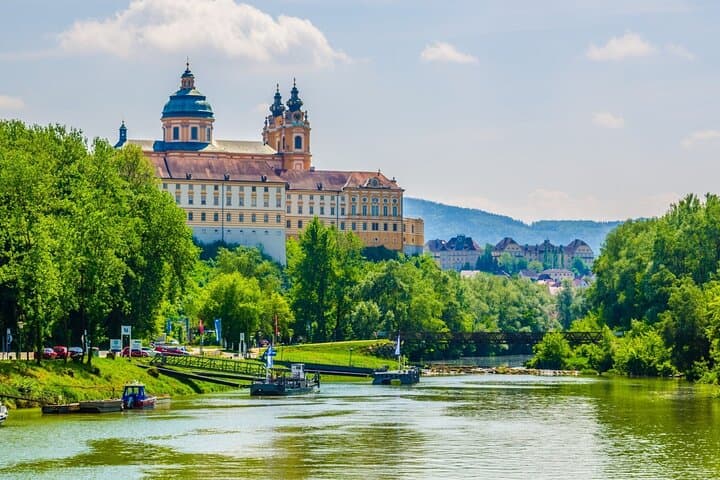
This route stitches together centuries: Melk Abbey’s baroque sweep — a Benedictine stronghold rebuilt in the 18th century — crowns a promontory of the Danube, while Hallstatt sits like a lakeside postcard shaped by salt and stone. The Hallstatt region’s prehistoric salt mines gave their name to the early Iron Age ‘Hallstatt culture’; the limestone Dachstein range around the lake is a study in glacial carving and karst topography.
Culturally the day trades grand architecture for village rhythm: local bakeries, market stalls, and narrow alleys where tourism and tradition meet. Nature here acts with intent — the Traunsee’s surface reflects alpine slopes; forested ridgelines frame village roofs and call for a slower pace.
Practical guidance: this is a long day (roughly 12–13 hours) with several short walking windows and one extended free period in Hallstatt. Wear sturdy shoes, bring layered rain protection, and carry small cash for cafes and toilets. Arrive at the confirmed pickup point on time; the tour is optimized for short stops and photo windows. For quieter photos, aim for the earliest pickup times; late-afternoon light flatters the lake but can be busier. The experience is ideal for travelers who want a single-day mixture of gentle walking, cultural sights, and dramatic lakeside scenery without independent transfers.
easy.
12–13 hours.
Suitable for travelers with average mobility; expect several short walks and one 3-hour free period in Hallstatt.
Pickup and drop-off are at your hotel or private apartment in central Vienna (excluding outer districts); confirm the exact pickup time after booking.
This tour provides time for self-guided visits but does not include admission fees for attractions like Melk Abbey interior tours or Hallstatt salt mine tickets.
The itinerary is physically easy with short walks, but cobbled streets and some steps in historic areas can challenge mobility; infant seats are available on request.
Yes — the tour departs and returns to your Vienna accommodation, so leaving luggage at your hotel is the recommended option.
The Wachau Valley is a UNESCO World Heritage landscape, and Hallstatt’s salt-mining history dates back to prehistoric times, lending the region significant archaeological importance.
High visitor numbers can stress fragile lakeside architecture and paths; staying on marked routes, minimizing waste, and respecting private property helps protect these communities.
Gray Line Vienna | White Alligator Tours operates guided outdoor trips and adventures with an emphasis on safety, stewardship, and memorable experiences.
A morning peel of fog lifts off the Danube as the van slips out of Vienna and into the Wachau Valley. Vineyards march up the slopes; the river dares travelers to slow down and look. In Dürnstein, cobbled lanes funnel visitors toward a sky-scraping blue tower and the ragged silhouette of a cliff-top castle that once watched over river trade.
A morning peel of fog lifts off the Danube as the van slips out of Vienna and into the Wachau Valley. Vineyards march up the slopes; the river dares travelers to slow down and look. In Dürnstein, cobbled lanes funnel visitors toward a sky-scraping blue tower and the ragged silhouette of a cliff-top castle that once watched over river trade.
This route stitches together centuries: Melk Abbey’s baroque sweep — a Benedictine stronghold rebuilt in the 18th century — crowns a promontory of the Danube, while Hallstatt sits like a lakeside postcard shaped by salt and stone. The Hallstatt region’s prehistoric salt mines gave their name to the early Iron Age ‘Hallstatt culture’; the limestone Dachstein range around the lake is a study in glacial carving and karst topography.
Culturally the day trades grand architecture for village rhythm: local bakeries, market stalls, and narrow alleys where tourism and tradition meet. Nature here acts with intent — the Traunsee’s surface reflects alpine slopes; forested ridgelines frame village roofs and call for a slower pace.
Practical guidance: this is a long day (roughly 12–13 hours) with several short walking windows and one extended free period in Hallstatt. Wear sturdy shoes, bring layered rain protection, and carry small cash for cafes and toilets. Arrive at the confirmed pickup point on time; the tour is optimized for short stops and photo windows. For quieter photos, aim for the earliest pickup times; late-afternoon light flatters the lake but can be busier. The experience is ideal for travelers who want a single-day mixture of gentle walking, cultural sights, and dramatic lakeside scenery without independent transfers.