THE ADVENTURE COLLECTIVE® · Independent discovery and booking for outdoor travel

Follow vineyard tracks above Krems and Stein on a small-group winter hike that opens sweeping Danube views and medieval streets. This easy, cultural walk pairs gentle climbs with local wine stops and historic architecture.
Follow vineyard tracks above Krems and Stein on a small-group winter hike that opens sweeping Danube views and medieval streets. This easy, cultural walk pairs gentle climbs with local wine stops and historic architecture.
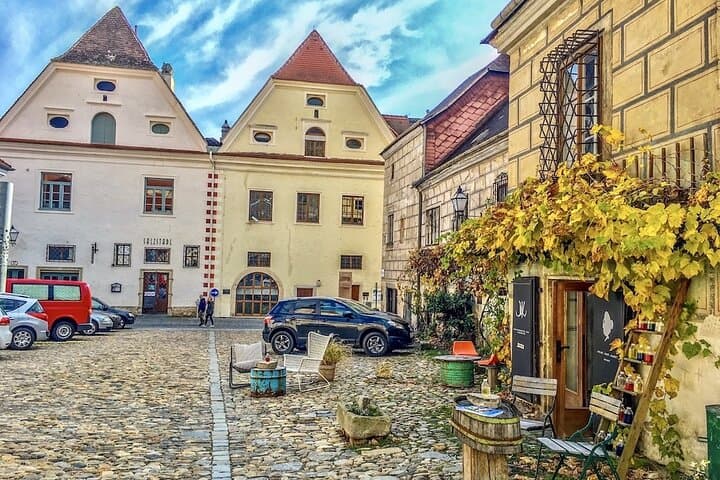
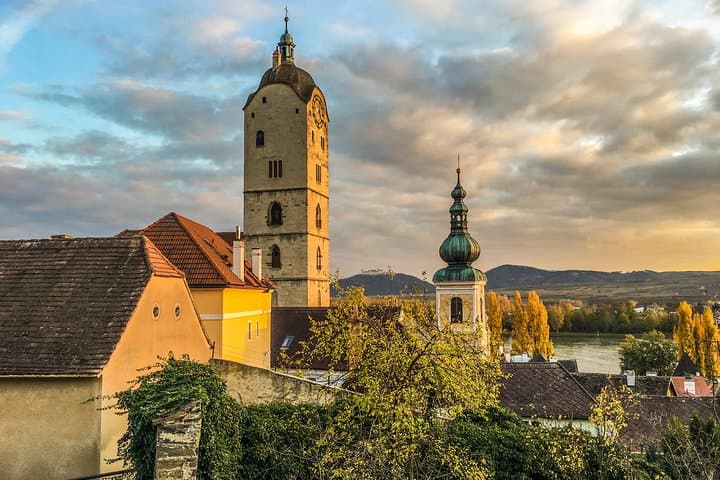
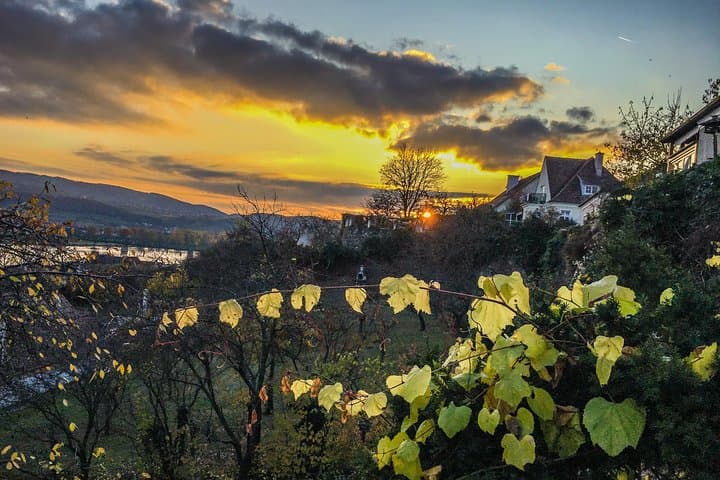
A cold wind pushes across the terraces above Krems and the Danube dares you forward — this is a winter walk that keeps its eyes on the river and its feet on the old stone trails. You start in Krems, climb through terraced vineyards carved into loess and limestone slopes, and circle back through the narrow, medieval streets of Stein and Krems, where stone cellars and Heuriger taverns hold the day’s warmth.
Verified experiences and guided adventures in the surrounding area.
Operated by Das Leben spueren - Embrace Life · Krems an der Donau, Lower Austria
A cold wind pushes across the terraces above Krems and the Danube dares you forward — this is a winter walk that keeps its eyes on the river and its feet on the old stone trails. You start in Krems, climb through terraced vineyards carved into loess and limestone slopes, and circle back through the narrow, medieval streets of Stein and Krems, where stone cellars and Heuriger taverns hold the day’s warmth.
The Wachau is a UNESCO World Heritage stretch of the Danube; its geology of layered loess over ancient bedrock shaped the vineyards and the stepped terraces you follow. Settlements here date back to the Middle Ages and Roman outposts before that, and the route passes hilltop castles and centuries-old wine cellars that speak to the region’s long relationship with viticulture and river trade.
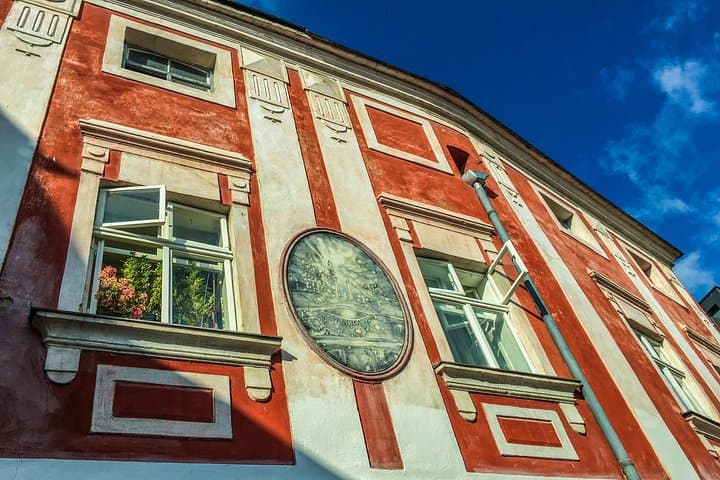
Culturally, the towns favor slow rhythms: local wine poured in small glasses, inns that still accept cash, and architecture that shifts from Gothic to Baroque on a single street. In winter the valley’s outline becomes clearer — vines stripped to skeletal rows, river light low and clean — offering panoramic views that are quieter but no less dramatic than peak season.
Practical guidance: allow 2.5–3 hours of walking time (3–6 hours total including transport and breaks). Trails are mostly unpaved vineyard tracks and stone steps with modest elevation changes; good-grip footwear and layered insulation matter more than technical gear. Bring water, snacks, and some cash for smaller inns. Public transport connects Vienna and Krems in about an hour, and small-group guided tours keep stops flexible for photos, wine tastings, or an optional warm-up in a Heuriger before the return to the city.
easy.
3–6 hours.
Suitable for walkers in average condition who can handle continuous 2.5–3 hours of walking with short elevation changes.
Expect about 2.5–3 hours of actual walking time, depending on pace and photo or tasting stops.
The walk begins and ends in Krems (often near the town center); exact meeting point is provided after booking.
Yes — regional trains and buses run between Vienna and Krems; travel time is roughly one hour each way.
Yes — the guide can arrange or recommend stops at local Heuriger and inns, but bring some cash as not all accept cards.
The Wachau’s settlements grew from medieval trade along the Danube; terraced viticulture on loess and limestone slopes has shaped local culture for centuries.
The Wachau balances tourism and agriculture through protected landscapes and viticultural practices; stick to marked trails to avoid damaging terraces and vines.
Das Leben spueren - Embrace Life operates guided outdoor trips and adventures with an emphasis on safety, stewardship, and memorable experiences.
A cold wind pushes across the terraces above Krems and the Danube dares you forward — this is a winter walk that keeps its eyes on the river and its feet on the old stone trails. You start in Krems, climb through terraced vineyards carved into loess and limestone slopes, and circle back through the narrow, medieval streets of Stein and Krems, where stone cellars and Heuriger taverns hold the day’s warmth.
A cold wind pushes across the terraces above Krems and the Danube dares you forward — this is a winter walk that keeps its eyes on the river and its feet on the old stone trails. You start in Krems, climb through terraced vineyards carved into loess and limestone slopes, and circle back through the narrow, medieval streets of Stein and Krems, where stone cellars and Heuriger taverns hold the day’s warmth.
The Wachau is a UNESCO World Heritage stretch of the Danube; its geology of layered loess over ancient bedrock shaped the vineyards and the stepped terraces you follow. Settlements here date back to the Middle Ages and Roman outposts before that, and the route passes hilltop castles and centuries-old wine cellars that speak to the region’s long relationship with viticulture and river trade.
Culturally, the towns favor slow rhythms: local wine poured in small glasses, inns that still accept cash, and architecture that shifts from Gothic to Baroque on a single street. In winter the valley’s outline becomes clearer — vines stripped to skeletal rows, river light low and clean — offering panoramic views that are quieter but no less dramatic than peak season.
Practical guidance: allow 2.5–3 hours of walking time (3–6 hours total including transport and breaks). Trails are mostly unpaved vineyard tracks and stone steps with modest elevation changes; good-grip footwear and layered insulation matter more than technical gear. Bring water, snacks, and some cash for smaller inns. Public transport connects Vienna and Krems in about an hour, and small-group guided tours keep stops flexible for photos, wine tastings, or an optional warm-up in a Heuriger before the return to the city.