THE ADVENTURE COLLECTIVE® · Independent discovery and booking for outdoor travel

Walk vineyard terraces above the Danube between Spitz and the ruins of Hinterhaus, sampling seasonal flavors and expansive river views. This guided 6-hour circular hike combines moderate climbs, wine-culture insights and village stops ideal for both beginners and experienced hikers.
Walk vineyard terraces above the Danube between Spitz and the ruins of Hinterhaus, sampling seasonal flavors and expansive river views. This guided 6-hour circular hike combines moderate climbs, wine-culture insights and village stops ideal for both beginners and experienced hikers.
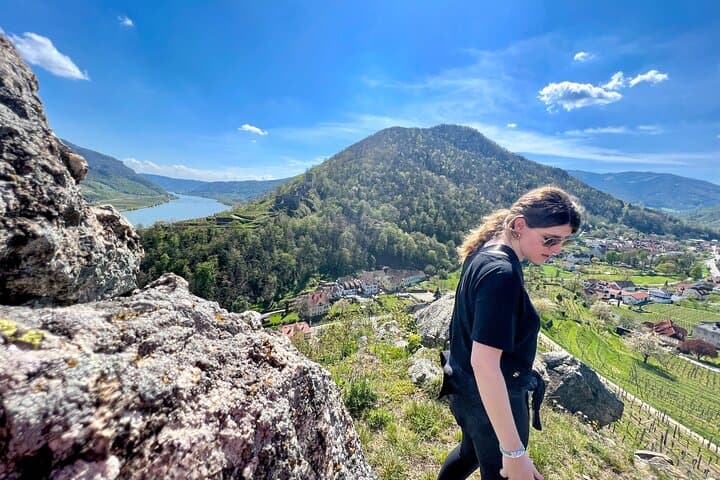
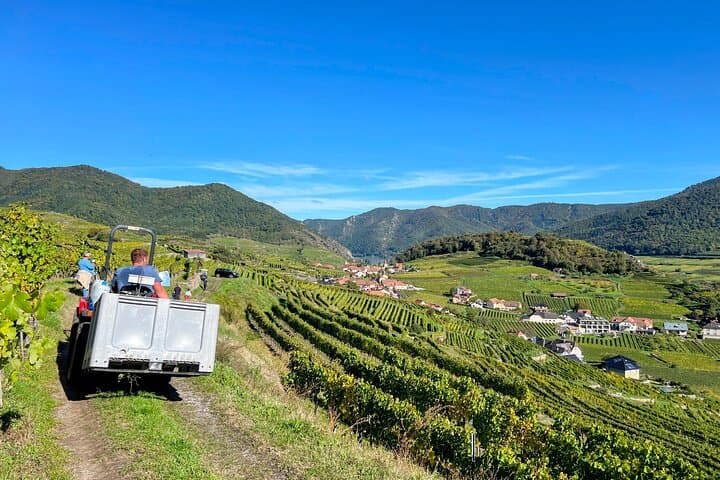
The path opens with the Danube at your shoulder, a slow, silver current daring you to pay attention as you climb through terraces of vines that lean into the sun. Grape leaves rustle like a measured applause while the ruins of Hinterhaus Castle watch over the valley — stones that remember medieval river traffic and seasonal harvests.
Verified experiences and guided adventures in the surrounding area.
Operated by Das Leben spueren - Embrace Life · Spitz, Lower Austria
The path opens with the Danube at your shoulder, a slow, silver current daring you to pay attention as you climb through terraces of vines that lean into the sun. Grape leaves rustle like a measured applause while the ruins of Hinterhaus Castle watch over the valley — stones that remember medieval river traffic and seasonal harvests.
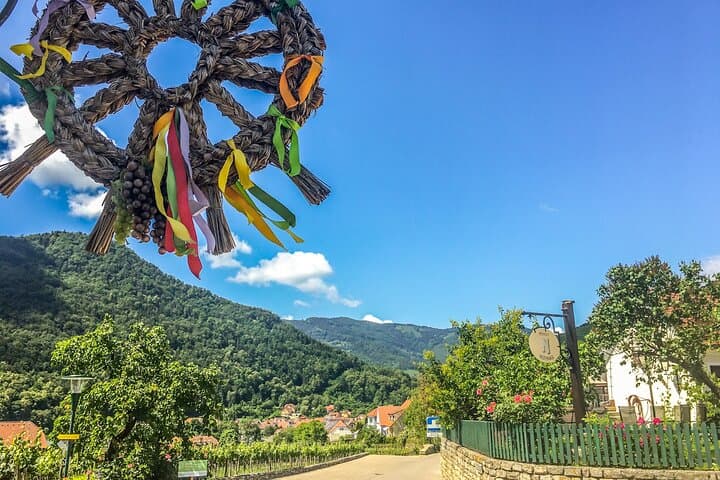
Geology here is readable beneath your boots: loess soils and terraces carved by river and human hands produce drainage and warmth ideal for Grüner Veltliner and Riesling. The Wachau’s cultural imprint is visible in stone wine presses, dry-stone walls and the Spitzer Weinweg trail markers that narrate local viticulture. Villages like Spitz and neighboring Dürnstein carry baroque churches and tasting rooms that reflect centuries of winemaking tied to Danube trade.
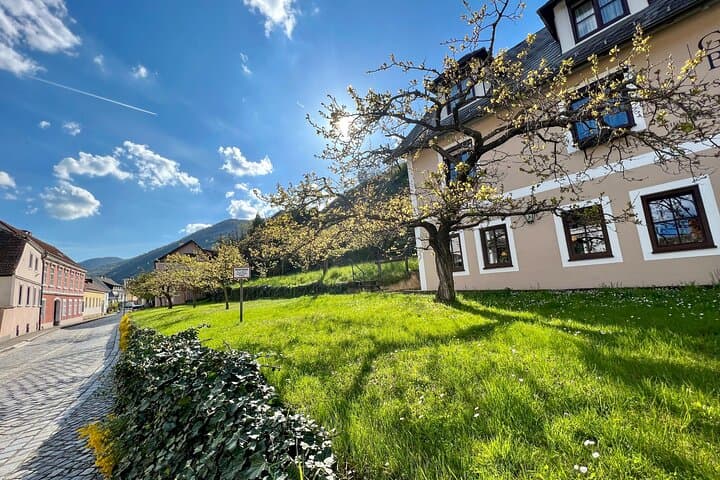
Expect mixed terrain: vineyard tracks, short paved village stretches and steeper forested switchbacks to the Hinterhaus ruins. Seasonal treats appear on the trail — wild apples and walnuts in autumn, early-spring blossoms and weekend festivals that offer local bread, cheese and a glass of wine after the walk.
Practical guidance: this guided circular hike lasts about six hours with moderate climbs; guide-led navigation removes route-finding stress. Wear sturdy footwear, carry at least 1–1.5 liters of water, sun and rain protection, and some cash for village cafés. If you’re starting from Vienna plan roughly 2.5 hours each way by public transport or car. Move at a steady pace, take breaks for views over the Danube, and leave no trace — these slopes work hard to grow the wine on your palate at the end of the day.
moderate.
5–6 hours.
Moderate fitness recommended: able to manage sustained walking with short steep sections and uneven surfaces.
The route is guide-led and adaptable; beginners with basic fitness can manage the moderate climbs, though steady uphill sections require comfortable footwear and regular breaks.
Tastings are optional and not included in the standard hike price; guides can recommend nearby producers and eateries where you can sample local wine after the walk.
Public transport or car takes about 2–2.5 hours; many walkers combine the trip with an overnight in Krems or return to Vienna the same day depending on schedule.
Yes — vineyard tracks and unpaved sections can become slick; bring footwear with good grip and consider trekking poles for extra stability.
The Wachau developed as a viticultural corridor along the Danube for centuries; monasteries and river trade shaped terraced vineyards and the valley’s wine-focused villages.
Vineyard terraces require careful soil management and erosion control; visitors are asked to stick to trails and avoid trampling vines to protect this working cultural landscape.
Das Leben spueren - Embrace Life operates guided outdoor trips and adventures with an emphasis on safety, stewardship, and memorable experiences.
The path opens with the Danube at your shoulder, a slow, silver current daring you to pay attention as you climb through terraces of vines that lean into the sun. Grape leaves rustle like a measured applause while the ruins of Hinterhaus Castle watch over the valley — stones that remember medieval river traffic and seasonal harvests.
The path opens with the Danube at your shoulder, a slow, silver current daring you to pay attention as you climb through terraces of vines that lean into the sun. Grape leaves rustle like a measured applause while the ruins of Hinterhaus Castle watch over the valley — stones that remember medieval river traffic and seasonal harvests.
Geology here is readable beneath your boots: loess soils and terraces carved by river and human hands produce drainage and warmth ideal for Grüner Veltliner and Riesling. The Wachau’s cultural imprint is visible in stone wine presses, dry-stone walls and the Spitzer Weinweg trail markers that narrate local viticulture. Villages like Spitz and neighboring Dürnstein carry baroque churches and tasting rooms that reflect centuries of winemaking tied to Danube trade.
Expect mixed terrain: vineyard tracks, short paved village stretches and steeper forested switchbacks to the Hinterhaus ruins. Seasonal treats appear on the trail — wild apples and walnuts in autumn, early-spring blossoms and weekend festivals that offer local bread, cheese and a glass of wine after the walk.
Practical guidance: this guided circular hike lasts about six hours with moderate climbs; guide-led navigation removes route-finding stress. Wear sturdy footwear, carry at least 1–1.5 liters of water, sun and rain protection, and some cash for village cafés. If you’re starting from Vienna plan roughly 2.5 hours each way by public transport or car. Move at a steady pace, take breaks for views over the Danube, and leave no trace — these slopes work hard to grow the wine on your palate at the end of the day.