THE ADVENTURE COLLECTIVE® · Independent discovery and booking for outdoor travel

Walk Vyšehrad's fortress and riverbanks with a local guide and a friendly white dog. This two-hour, tip-based stroll blends history, river views and neighborhood stories—perfect for travelers who want Prague beyond the postcard.
Walk Vyšehrad's fortress and riverbanks with a local guide and a friendly white dog. This two-hour, tip-based stroll blends history, river views and neighborhood stories—perfect for travelers who want Prague beyond the postcard.
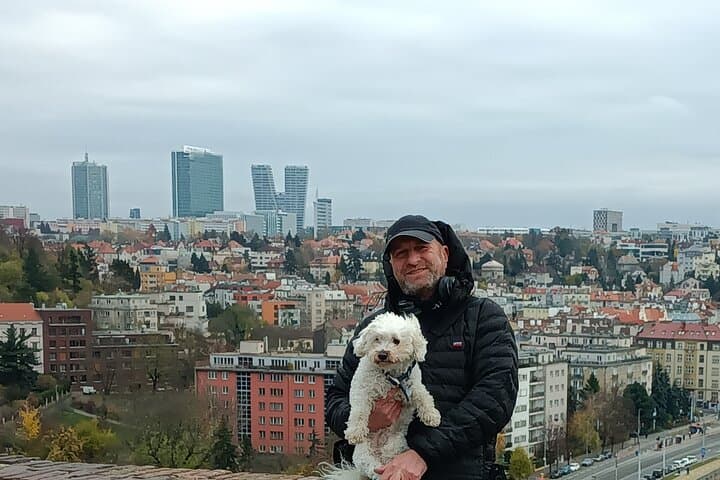
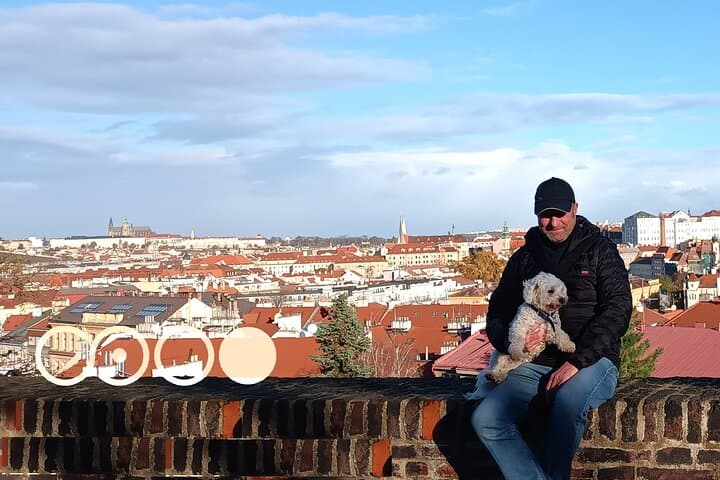
You meet at Vyšehrad Metro as the city yawns: cobblestones damp from night, a short-haired white dog—Bison—wagging impatiently for the first stick. Your guide, Jiri, leads a compact group up through fortress ramparts where the park opens onto a clear view of the Vltava slicing the city. The walk moves at an easy, conversational pace, switching between shaded paths, historic stonework and riverfront pragmatism.
Verified experiences and guided adventures in the surrounding area.
Operated by Padlujeme.cz · Prague, Prague
You meet at Vyšehrad Metro as the city yawns: cobblestones damp from night, a short-haired white dog—Bison—wagging impatiently for the first stick. Your guide, Jiri, leads a compact group up through fortress ramparts where the park opens onto a clear view of the Vltava slicing the city. The walk moves at an easy, conversational pace, switching between shaded paths, historic stonework and riverfront pragmatism.
Vyšehrad is older than much of the city center; its basilica and the national cemetery hold 19th‑ and 20th‑century Prague stories. On the route you'll pass layered urban history—fortress walls, Communist-era memories shared by your guide, and modern apartment facades—before descending to the Výtoň ferry pier. The short ferry hop to Císařská louka reveals a quieter riverbank perspective: reed edges, residential moorings, and a skyline that reads differently from water level.
Practically: the tour is tip-based, lasts about two hours, and finishes at Výtoň so you can hop a small ferry or return by tram. Expect uneven park paths and stone steps; comfortable shoes and a light jacket are sensible. The experience is less about sightseeing checklists and more about street‑level context—local anecdotes, hidden viewpoints and the small sequences of daily Prague life. Bring a small note for the guide if you appreciated the local stories, and carry water for warmer days.
easy.
2 hours.
Suitable for most fitness levels; requires the ability to walk on uneven terrain for up to two hours.
Tipping is discretionary; many guests give €20+ per person depending on satisfaction—small cash is convenient.
The short local ferry trip is optional and may require a separate small fare; the walking tour itself ends at the Výtoň pier.
Yes—pace is relaxed and the route is family-friendly, though there are stone steps and some uneven sections to navigate.
Service animals are allowed; check with the guide in advance about additional dogs to avoid stress for Bison and the group.
Vyšehrad is an early medieval fortress site with a notable 19th–20th century cemetery and the neo-Gothic Basilica of St. Peter and Paul—places tied to Czech national history.
Stay on designated paths, carry out dog waste and avoid feeding river wildlife; small urban ecosystems along the Vltava are sensitive to disturbance.
Padlujeme.cz operates guided outdoor trips and adventures with an emphasis on safety, stewardship, and memorable experiences.

You meet at Vyšehrad Metro as the city yawns: cobblestones damp from night, a short-haired white dog—Bison—wagging impatiently for the first stick. Your guide, Jiri, leads a compact group up through fortress ramparts where the park opens onto a clear view of the Vltava slicing the city. The walk moves at an easy, conversational pace, switching between shaded paths, historic stonework and riverfront pragmatism.
You meet at Vyšehrad Metro as the city yawns: cobblestones damp from night, a short-haired white dog—Bison—wagging impatiently for the first stick. Your guide, Jiri, leads a compact group up through fortress ramparts where the park opens onto a clear view of the Vltava slicing the city. The walk moves at an easy, conversational pace, switching between shaded paths, historic stonework and riverfront pragmatism.
Vyšehrad is older than much of the city center; its basilica and the national cemetery hold 19th‑ and 20th‑century Prague stories. On the route you'll pass layered urban history—fortress walls, Communist-era memories shared by your guide, and modern apartment facades—before descending to the Výtoň ferry pier. The short ferry hop to Císařská louka reveals a quieter riverbank perspective: reed edges, residential moorings, and a skyline that reads differently from water level.
Practically: the tour is tip-based, lasts about two hours, and finishes at Výtoň so you can hop a small ferry or return by tram. Expect uneven park paths and stone steps; comfortable shoes and a light jacket are sensible. The experience is less about sightseeing checklists and more about street‑level context—local anecdotes, hidden viewpoints and the small sequences of daily Prague life. Bring a small note for the guide if you appreciated the local stories, and carry water for warmer days.