THE ADVENTURE COLLECTIVE® · Independent discovery and booking for outdoor travel

Escape Ho Chi Minh for a day of beaches, panoramic peaks, and colonial charm in Vung Tau. This full-day coastal tour mixes gentle hikes, cultural stops, and seafood lunches—ideal for travelers who want seaside views without the overnight planning.
Escape Ho Chi Minh for a day of beaches, panoramic peaks, and colonial charm in Vung Tau. This full-day coastal tour mixes gentle hikes, cultural stops, and seafood lunches—ideal for travelers who want seaside views without the overnight planning.
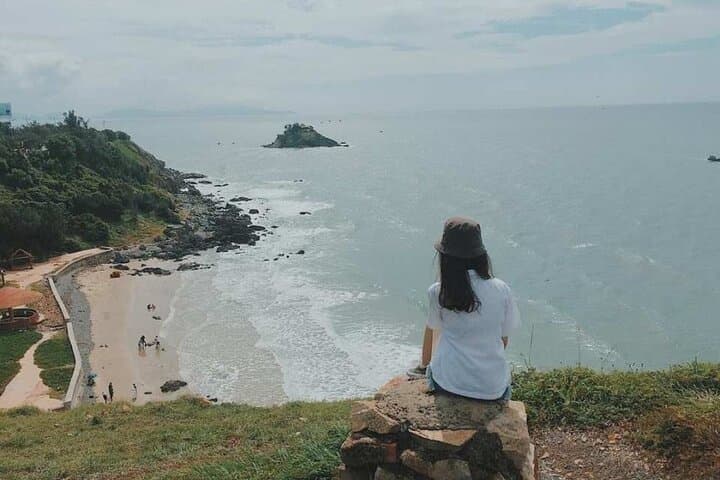
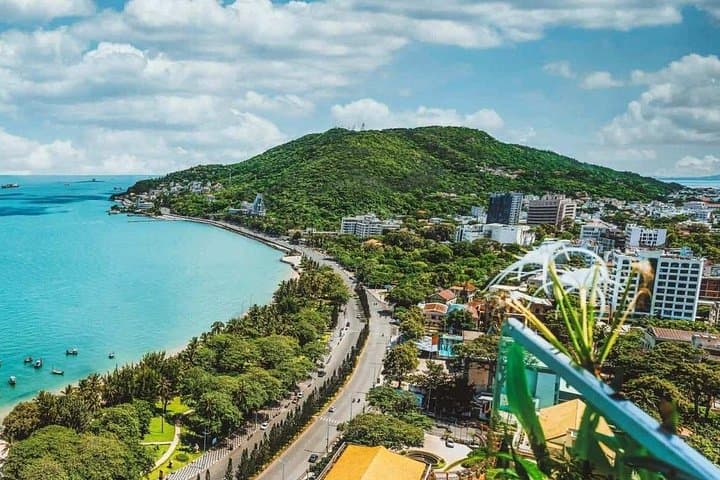
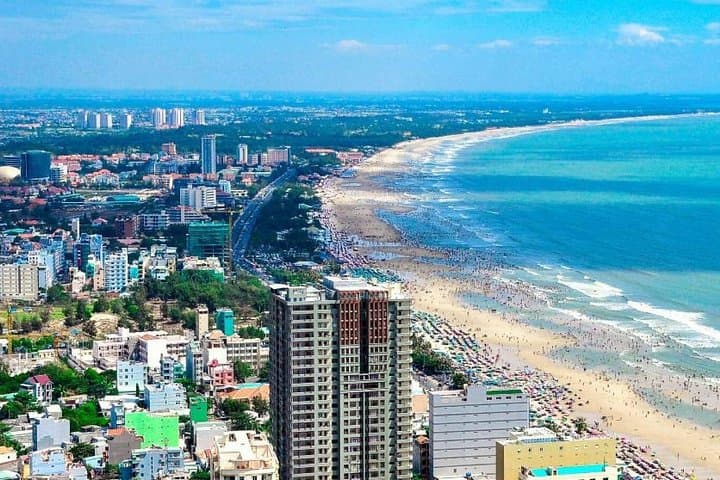
The morning bus peels away from Saigon’s concrete heat and, an hour later, you smell salt on the wind—Vung Tau unfurls like a bright strip of coast: low cliffs, ribbon beaches, and palms bent toward the South China Sea.
Verified experiences and guided adventures in the surrounding area.
Operated by TREVOPEDIA · Vung Tau, Ba Ria-Vung Tau
The morning bus peels away from Saigon’s concrete heat and, an hour later, you smell salt on the wind—Vung Tau unfurls like a bright strip of coast: low cliffs, ribbon beaches, and palms bent toward the South China Sea.
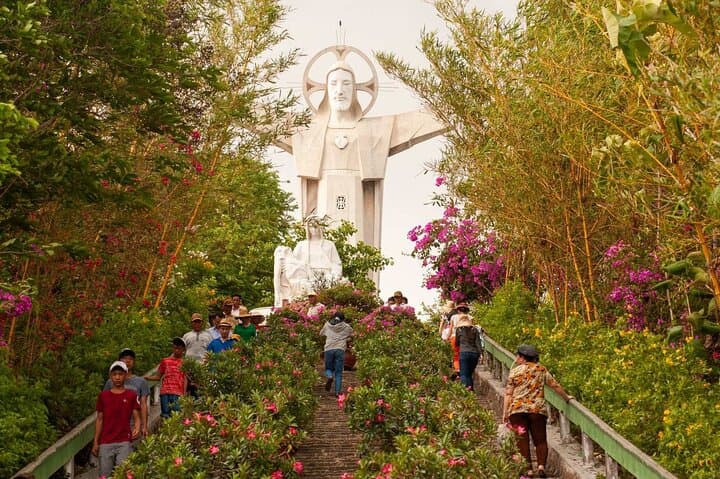
History sits beside the shoreline here. French colonial governors left the White Palace in 1898; wartime bunkers and pagodas dot the headlands. Geologically, Vung Tau is a low, coastal plateau of grey sandstone and lateritic soils, where two small peaks—Big Mountain and Small Mountain—frame the town and host the 32-meter Christ statue that watches over fishermen and swimmers alike. Local culture blends fishermen’s markets, seaside eateries, and solemn shrines; at Nghinh Phong Cape a carved rock arch called Heaven Gate punctuates the horizon and invites quiet reflection.
On this full-day itinerary expect calm swims at Back Beach, a climb of staircases and garden paths to the Christ statue for panoramic views, and a walk through the airy halls of the White Palace. Photography, light hiking on paved trails, and seafood lunches are mainstays: nothing technical, but 100–150 steps and sun exposure are part of the rhythm.
Practical guidance: start early to avoid midday traffic and heat, bring sun protection and a refillable water bottle, and wear shoes that grip for coastal rocks and stairs. Respect dress codes at religious sites and conserve water at beaches. The tour’s pace suits most travelers—bring a light rain layer in monsoon months and patience for local traffic on the return to Ho Chi Minh.
easy.
8–9 hours.
Suitable for average fitness; expect multiple short stair climbs (up to ~133 steps) and walking on paved and rocky surfaces.
Typical round-trip transfer time is about 2–3 hours each way depending on traffic; the full tour lasts about 8–9 hours including transport.
There are about 133 spiral steps to the viewing platform; it’s a moderate climb but not technical—take breaks if needed.
Lunch is included on this tour, usually at a local seafood restaurant; inform the operator of dietary restrictions when booking.
The tour lists wheelchair-accessible transportation and areas, but access to the statue summit and some viewpoints involves steps and uneven paths.
Vung Tau developed as a coastal retreat during French colonial rule; the White Palace (Bach Dinh) dates to 1898 and reflects that era’s architecture.
Coastal erosion and litter are local concerns—stick to marked paths, avoid disturbing marine life, and carry out trash to protect beaches.
TREVOPEDIA operates guided outdoor trips and adventures with an emphasis on safety, stewardship, and memorable experiences.
The morning bus peels away from Saigon’s concrete heat and, an hour later, you smell salt on the wind—Vung Tau unfurls like a bright strip of coast: low cliffs, ribbon beaches, and palms bent toward the South China Sea.
The morning bus peels away from Saigon’s concrete heat and, an hour later, you smell salt on the wind—Vung Tau unfurls like a bright strip of coast: low cliffs, ribbon beaches, and palms bent toward the South China Sea.
History sits beside the shoreline here. French colonial governors left the White Palace in 1898; wartime bunkers and pagodas dot the headlands. Geologically, Vung Tau is a low, coastal plateau of grey sandstone and lateritic soils, where two small peaks—Big Mountain and Small Mountain—frame the town and host the 32-meter Christ statue that watches over fishermen and swimmers alike. Local culture blends fishermen’s markets, seaside eateries, and solemn shrines; at Nghinh Phong Cape a carved rock arch called Heaven Gate punctuates the horizon and invites quiet reflection.
On this full-day itinerary expect calm swims at Back Beach, a climb of staircases and garden paths to the Christ statue for panoramic views, and a walk through the airy halls of the White Palace. Photography, light hiking on paved trails, and seafood lunches are mainstays: nothing technical, but 100–150 steps and sun exposure are part of the rhythm.
Practical guidance: start early to avoid midday traffic and heat, bring sun protection and a refillable water bottle, and wear shoes that grip for coastal rocks and stairs. Respect dress codes at religious sites and conserve water at beaches. The tour’s pace suits most travelers—bring a light rain layer in monsoon months and patience for local traffic on the return to Ho Chi Minh.