THE ADVENTURE COLLECTIVE® · Independent discovery and booking for outdoor travel

Ride the Vrmac ridge between Kotor and Tivat: a demanding 45 km loop of mixed surfaces, Austro-Hungarian forts, and sweeping Boka Bay views. This 4–6 hour bike tour blends coastal panoramas with short mountain trail sections and cultural stops in Lastva and Porto Montenegro.
Ride the Vrmac ridge between Kotor and Tivat: a demanding 45 km loop of mixed surfaces, Austro-Hungarian forts, and sweeping Boka Bay views. This 4–6 hour bike tour blends coastal panoramas with short mountain trail sections and cultural stops in Lastva and Porto Montenegro.
Morning light scrapes the limestone ridges of Vrmac and throws Boka Bay into sharp blue contrast — a cyclist pushes off from Kotor and the road immediately climbs toward old forts and sweeping coastal views. The ride threads asphalt, macadam and short mountain singletrack, switching between tight forested pitches and sudden exposures where the bay seems to tilt toward the sea.
Verified experiences and guided adventures in the surrounding area.
Operated by Monte Mare Travel · Kotor, Kotor Municipality
Morning light scrapes the limestone ridges of Vrmac and throws Boka Bay into sharp blue contrast — a cyclist pushes off from Kotor and the road immediately climbs toward old forts and sweeping coastal views. The ride threads asphalt, macadam and short mountain singletrack, switching between tight forested pitches and sudden exposures where the bay seems to tilt toward the sea.
Vrmac once marked the frontier between Ottoman and Venetian domains; Austro-Hungarian batteries still perch along the ridge and a 1,637-meter tunnel links Kotor to the Adriatic Highway. Geologically the ridge is karst limestone: steep faces, scrappy soils and viewpoints carved by millennia of wind and water. Cultural waypoints include Gornja and Donja Lastva—small village terraces where locals keep olives—and the Island of Flowers and Solila salt flats, which attract shorebirds and give the coast an industrial-quiet beauty.
Practically, expect roughly 45 km of riding with climbs to ~785–1,000 m and mixed surfaces. The route suits riders with good endurance and bike-handling skills; descents can be fast and loose. Bring layered weather protection, reliable brakes, extra water and snacks, and plan for road sections with traffic near the Adriatic Highway. The tour commonly lasts 4–6 hours depending on stops and ability; it's offered year-round but is weather-dependent. Guides provide bikes, helmets and a transfer to and from Kotor, allowing riders to focus on line choice and the views. For solid conditioning and sensible gear, Vrmac delivers an efficient, demanding slice of Montenegrin coast riding—sharp climbs, rewarding panoramas and historical pieces tucked into the route.
challenging.
4–6 hours.
Good cardiovascular fitness and leg strength; able to sustain climbs and control fast descents for several hours.
You should have a moderate to high fitness level—expect several sustained climbs and a total ride time of 4–6 hours including stops.
Yes—riders should be comfortable on mixed surfaces and descending on loose macadam and short technical sections.
Yes; guided tours include bicycles, helmets and gloves, plus transfers to and from the start and finish points.
Late spring through early fall offers the most stable weather and warm sea views; avoid winter storms and high winds on the ridge.
Vrmac marked historical borders between the Ottoman Empire and the Venetian Republic; later Austro-Hungarian defenses and a 1,637 m tunnel reflect its military significance.
Solila salt pans are sensitive bird habitats—stick to paths, avoid disturbing nesting birds, and carry out all trash; cycling helps concentrate visitor impact to existing trails.
Monte Mare Travel operates guided outdoor trips and adventures with an emphasis on safety, stewardship, and memorable experiences.
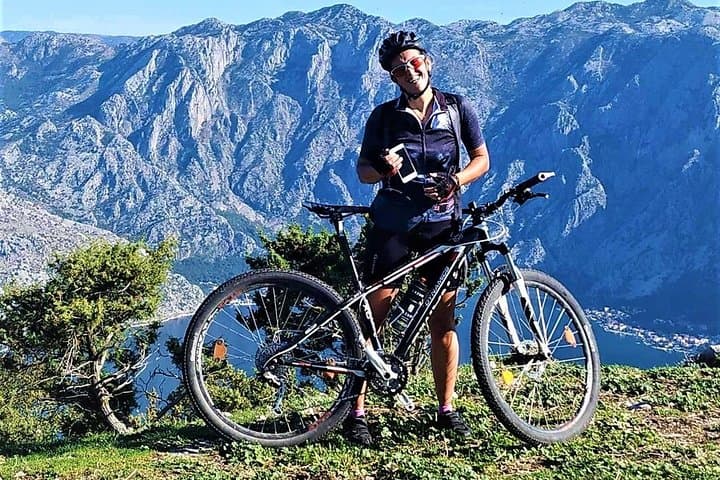
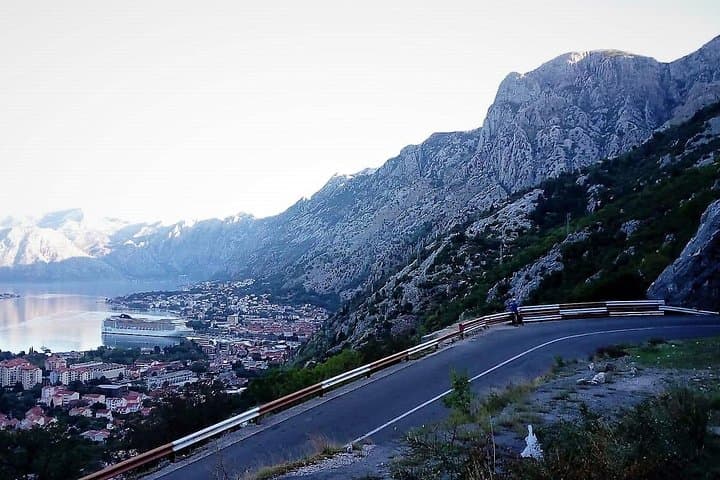
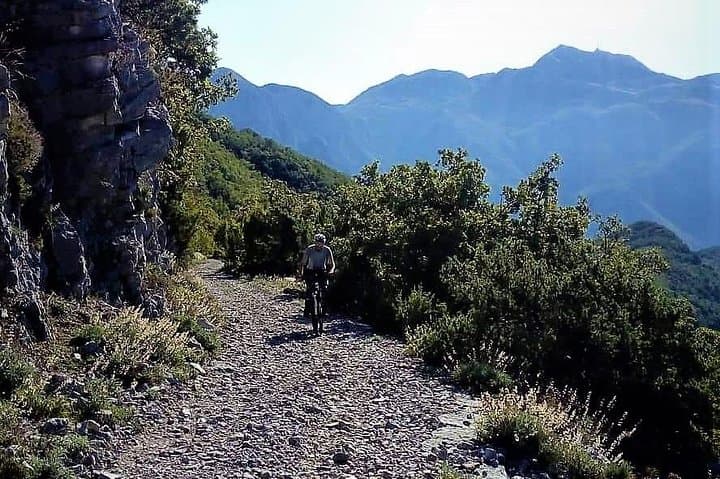
Morning light scrapes the limestone ridges of Vrmac and throws Boka Bay into sharp blue contrast — a cyclist pushes off from Kotor and the road immediately climbs toward old forts and sweeping coastal views. The ride threads asphalt, macadam and short mountain singletrack, switching between tight forested pitches and sudden exposures where the bay seems to tilt toward the sea.
Morning light scrapes the limestone ridges of Vrmac and throws Boka Bay into sharp blue contrast — a cyclist pushes off from Kotor and the road immediately climbs toward old forts and sweeping coastal views. The ride threads asphalt, macadam and short mountain singletrack, switching between tight forested pitches and sudden exposures where the bay seems to tilt toward the sea.
Vrmac once marked the frontier between Ottoman and Venetian domains; Austro-Hungarian batteries still perch along the ridge and a 1,637-meter tunnel links Kotor to the Adriatic Highway. Geologically the ridge is karst limestone: steep faces, scrappy soils and viewpoints carved by millennia of wind and water. Cultural waypoints include Gornja and Donja Lastva—small village terraces where locals keep olives—and the Island of Flowers and Solila salt flats, which attract shorebirds and give the coast an industrial-quiet beauty.
Practically, expect roughly 45 km of riding with climbs to ~785–1,000 m and mixed surfaces. The route suits riders with good endurance and bike-handling skills; descents can be fast and loose. Bring layered weather protection, reliable brakes, extra water and snacks, and plan for road sections with traffic near the Adriatic Highway. The tour commonly lasts 4–6 hours depending on stops and ability; it's offered year-round but is weather-dependent. Guides provide bikes, helmets and a transfer to and from Kotor, allowing riders to focus on line choice and the views. For solid conditioning and sensible gear, Vrmac delivers an efficient, demanding slice of Montenegrin coast riding—sharp climbs, rewarding panoramas and historical pieces tucked into the route.