THE ADVENTURE COLLECTIVE® · Independent discovery and booking for outdoor travel

Just half an hour from Sarajevo’s center, Vrelo Bosne opens into plane-tree avenues, clear springs and swans—an easy day trip for families and nature lovers. Read on for what to expect, how to plan, and practical tips for visiting this spring-fed park.
Just half an hour from Sarajevo’s center, Vrelo Bosne opens into plane-tree avenues, clear springs and swans—an easy day trip for families and nature lovers. Read on for what to expect, how to plan, and practical tips for visiting this spring-fed park.
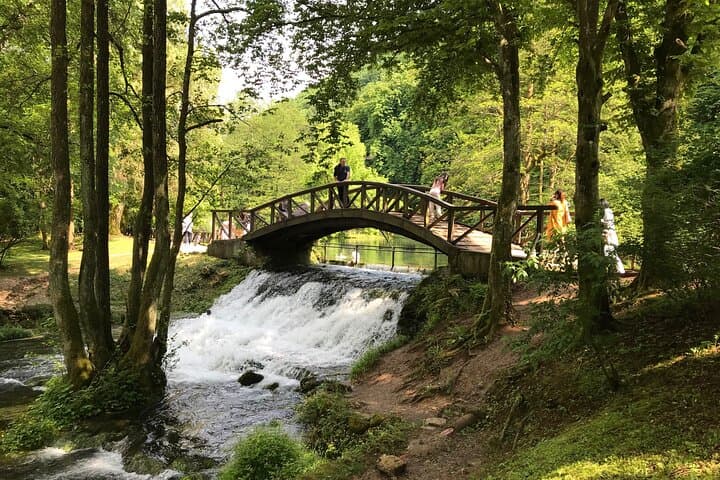
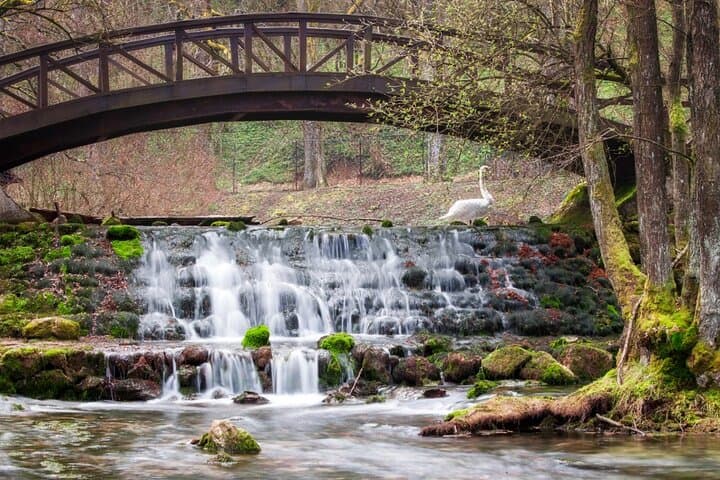
A cool morning mist lifts off the clear springs as you step from the avenue into Vrelo Bosne. The path under old plane trees quiets the city’s pulse; water threads through limestone channels, urging you toward the spring where the Bosna begins. Swans preen along the banks and carriage bells mark a slow, rural cadence only minutes from central Sarajevo.
Verified experiences and guided adventures in the surrounding area.
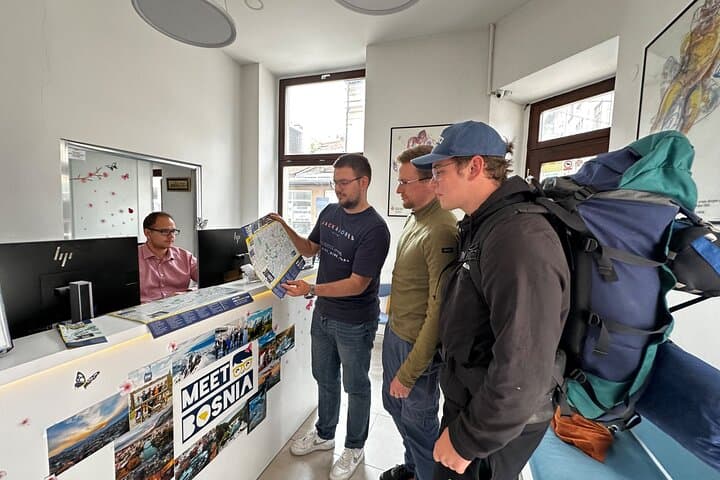
Operated by Meet Bosnia Travel · Sarajevo, Sarajevo Canton
A cool morning mist lifts off the clear springs as you step from the avenue into Vrelo Bosne. The path under old plane trees quiets the city’s pulse; water threads through limestone channels, urging you toward the spring where the Bosna begins. Swans preen along the banks and carriage bells mark a slow, rural cadence only minutes from central Sarajevo.
The park occupies an important hydrological spot: karst springs feeding the Bosna River, historically a gathering place since Roman and Ottoman times and later a favored leisure ground in Austro-Hungarian Sarajevo. Geology is visible here — travertine-lined channels and shallow pools formed where groundwater meets the surface. Local culture shows in horse-drawn carriages (kočija) and families picnicking on maintained lawns along the Velika Aleja, the broad pedestrian lane that leads to the spring.
Expect flat, paved and compacted paths suitable for strollers and wheelchairs, gentle elevation change and a park loop of roughly 2–3 kilometers depending on how far you wander. Wildlife is approachable but wild — observe swans and passerine birds from a respectful distance. Practicalities: mornings are best for light and quiet; bring water, layered clothes for river breezes, and leave no trace. Guided tours usually include private pickup and a local guide, while entrance is typically handled on-site and not included in some packages. Whether arriving by carriage or on foot, Vrelo Bosne offers an easy, restorative day in fresh air without demanding fitness or technical skills.
easy.
3–4 hours.
Minimal fitness required; suitable for families, seniors, and those who can walk 2–3 km on flat terrain.
Most visitors spend 1–3 hours exploring the avenues and spring; guided tours including transport commonly last 3–4 hours.
Yes — primary paths and the Velika Aleja are generally flat and accessible, though some secondary trails may be uneven.
Carriage rides operate seasonally from the main avenue and can carry visitors along the approach to the spring; availability depends on weather and local operators.
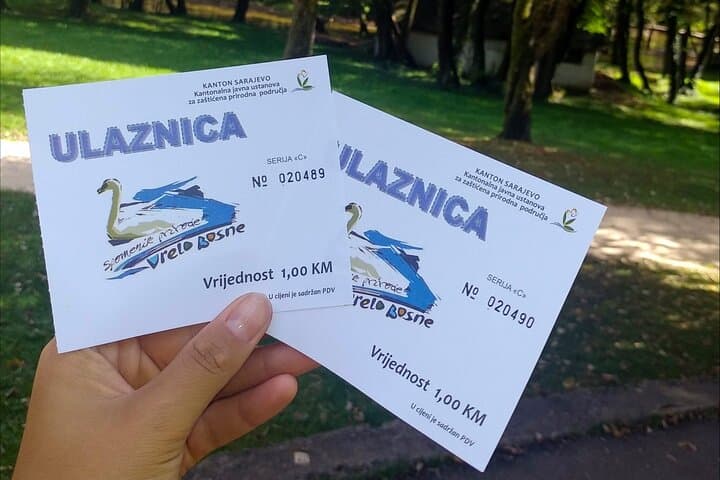
Tour prices often cover transport and guide services but may not include any local park entrance fee; confirm with your operator before booking.
Vrelo Bosne has long been a local leisure spot fed by karst springs; it gained formal park status during Austro-Hungarian rule and remains culturally important to Sarajevo’s suburbs.
The park relies on local management to protect spring water quality and limit development; visitors should stick to paths and pack out waste to reduce impact.
Meet Bosnia Travel operates guided outdoor trips and adventures with an emphasis on safety, stewardship, and memorable experiences.
A cool morning mist lifts off the clear springs as you step from the avenue into Vrelo Bosne. The path under old plane trees quiets the city’s pulse; water threads through limestone channels, urging you toward the spring where the Bosna begins. Swans preen along the banks and carriage bells mark a slow, rural cadence only minutes from central Sarajevo.
A cool morning mist lifts off the clear springs as you step from the avenue into Vrelo Bosne. The path under old plane trees quiets the city’s pulse; water threads through limestone channels, urging you toward the spring where the Bosna begins. Swans preen along the banks and carriage bells mark a slow, rural cadence only minutes from central Sarajevo.
The park occupies an important hydrological spot: karst springs feeding the Bosna River, historically a gathering place since Roman and Ottoman times and later a favored leisure ground in Austro-Hungarian Sarajevo. Geology is visible here — travertine-lined channels and shallow pools formed where groundwater meets the surface. Local culture shows in horse-drawn carriages (kočija) and families picnicking on maintained lawns along the Velika Aleja, the broad pedestrian lane that leads to the spring.
Expect flat, paved and compacted paths suitable for strollers and wheelchairs, gentle elevation change and a park loop of roughly 2–3 kilometers depending on how far you wander. Wildlife is approachable but wild — observe swans and passerine birds from a respectful distance. Practicalities: mornings are best for light and quiet; bring water, layered clothes for river breezes, and leave no trace. Guided tours usually include private pickup and a local guide, while entrance is typically handled on-site and not included in some packages. Whether arriving by carriage or on foot, Vrelo Bosne offers an easy, restorative day in fresh air without demanding fitness or technical skills.