THE ADVENTURE COLLECTIVE® · Independent discovery and booking for outdoor travel

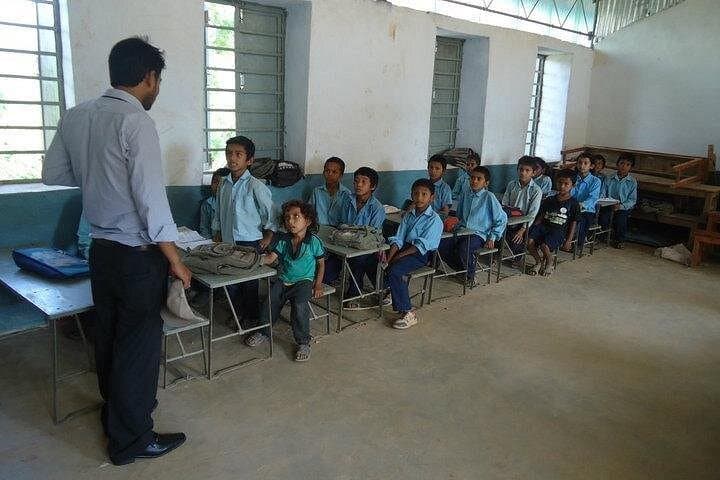
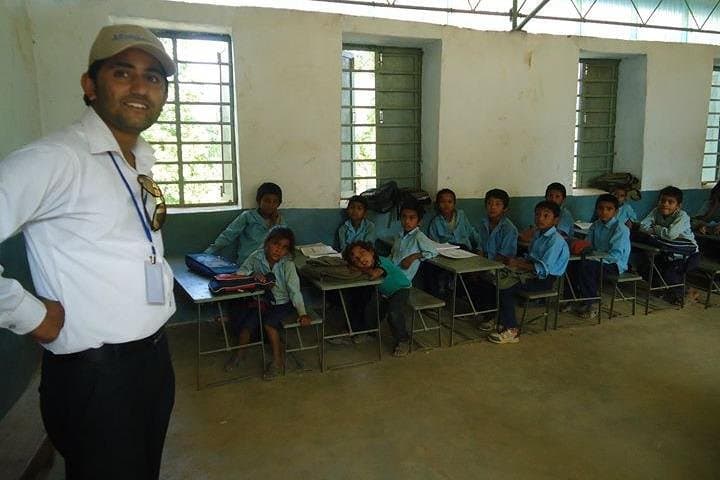
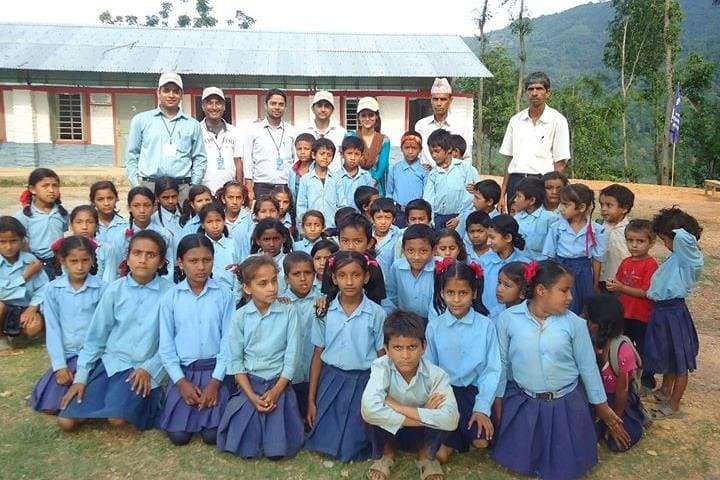
Spend a morning sharing skills with elementary students on Aterni Hill, then visit the calm shores of Begnas Lake. This half-day private tour from Pokhara pairs meaningful cultural exchange with easy, scenic exploration.
Spend a morning sharing skills with elementary students on Aterni Hill, then visit the calm shores of Begnas Lake. This half-day private tour from Pokhara pairs meaningful cultural exchange with easy, scenic exploration.
You arrive on a gravel lane that opens to a ridge; terraced rice paddies step down toward a glittering sheet of water and children’s voices thread through the air. The day begins with a short drive from Pokhara to Aterni Hill, where a small village school anchors morning activity and the landscape feels deliberately simple — farms, footpaths, and the steady work of seasons.
Verified experiences and guided adventures in the surrounding area.
Operated by Arpan Nepal · Pokhara, Gandaki Province
You arrive on a gravel lane that opens to a ridge; terraced rice paddies step down toward a glittering sheet of water and children’s voices thread through the air. The day begins with a short drive from Pokhara to Aterni Hill, where a small village school anchors morning activity and the landscape feels deliberately simple — farms, footpaths, and the steady work of seasons.
This region of the Pokhara valley has a long agricultural history shaped by monsoon rhythms and the Himalaya’s foothills. Begnas Lake, reached later in the day, is a shallow freshwater basin carved and held by local geology and springs; its quiet shore has been a village resource for generations. Cultural life here centers on subsistence farming, communal schooling, and layered Nepali traditions — expect polite curiosity, bright school uniforms, and conversations that linger on education and livelihoods.
Practical guidance: the program runs about 4–5 hours with private transfers and an English-speaking guide; Nepali lunch in the village is included. Clothing should be modest and comfortable; a simple lesson plan or drawing materials go farther than expensive gifts. Respect classroom norms, ask before photographing children, and follow your guide’s lead on interaction.
Timing matters: mornings are busy at the school, afternoons are better for a quiet walk or lakeside tea at Begnas. Hydrate for dusty tracks, wear sturdy shoes for uneven rural trails, and budget patience for local paces — the trip is less about ticking boxes and more about an attentive exchange with place and people.
easy.
4–5 hours.
Suitable for most fitness levels; involves short, easy walks on uneven village paths
Yes — a Nepali village lunch is included and typically served with local dishes prepared by the community.
The transfer is roughly 30–45 minutes each way depending on traffic and exact pickup location in Pokhara.
Yes; the experience is rated physically easy and works well for families and older travelers, though mobility varies by individual and some paths are uneven.
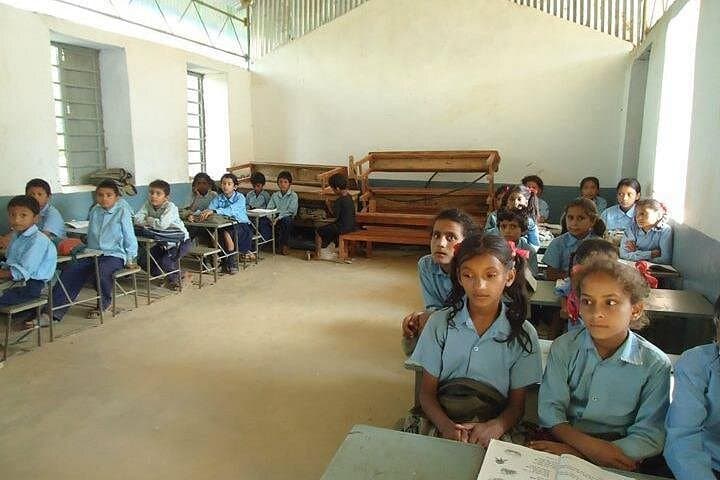
You will spend time at an elementary-level school interacting with students under the supervision of teachers and your guide; activities are meant to be educational and culturally appropriate.
The Pokhara valley’s villages have long relied on small-scale agriculture and local schools as community hubs; Begnas Lake has supported nearby settlements for generations.
Visitors should avoid single-use plastics, respect village waste practices, and support local economies by buying food or supplies from community vendors.
Arpan Nepal operates guided outdoor trips and adventures with an emphasis on safety, stewardship, and memorable experiences.
You arrive on a gravel lane that opens to a ridge; terraced rice paddies step down toward a glittering sheet of water and children’s voices thread through the air. The day begins with a short drive from Pokhara to Aterni Hill, where a small village school anchors morning activity and the landscape feels deliberately simple — farms, footpaths, and the steady work of seasons.
You arrive on a gravel lane that opens to a ridge; terraced rice paddies step down toward a glittering sheet of water and children’s voices thread through the air. The day begins with a short drive from Pokhara to Aterni Hill, where a small village school anchors morning activity and the landscape feels deliberately simple — farms, footpaths, and the steady work of seasons.
This region of the Pokhara valley has a long agricultural history shaped by monsoon rhythms and the Himalaya’s foothills. Begnas Lake, reached later in the day, is a shallow freshwater basin carved and held by local geology and springs; its quiet shore has been a village resource for generations. Cultural life here centers on subsistence farming, communal schooling, and layered Nepali traditions — expect polite curiosity, bright school uniforms, and conversations that linger on education and livelihoods.
Practical guidance: the program runs about 4–5 hours with private transfers and an English-speaking guide; Nepali lunch in the village is included. Clothing should be modest and comfortable; a simple lesson plan or drawing materials go farther than expensive gifts. Respect classroom norms, ask before photographing children, and follow your guide’s lead on interaction.
Timing matters: mornings are busy at the school, afternoons are better for a quiet walk or lakeside tea at Begnas. Hydrate for dusty tracks, wear sturdy shoes for uneven rural trails, and budget patience for local paces — the trip is less about ticking boxes and more about an attentive exchange with place and people.